Zagreb Travel Guide
Exploring the Most Beautiful Places, Museums, and Attractions
LAST UPDATE: Aug 2024
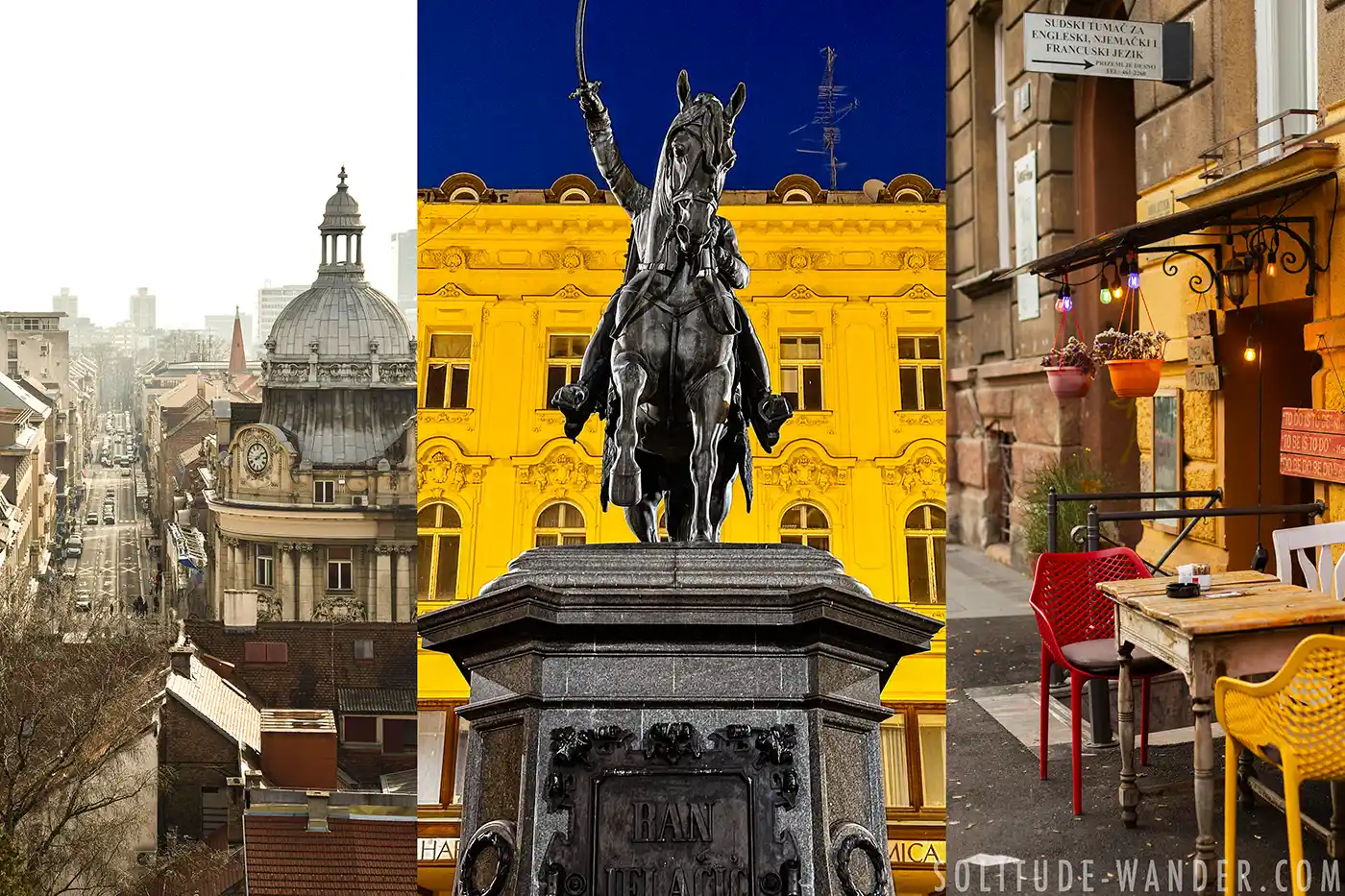
Left and Right Images courtesy of Jana and Eugenia Sol/Pixels
Zagreb: The Croatian Capital That Surprised Me
Zagreb, the capital of Croatia, truly surprised me. It’s orderly, authentic, quiet, and, in a way, overshadowed by the country’s famous Adriatic coast.. These are the very elements that make it still somewhat unknown and under the radar, on top of this the recent earthquake of 2020. Yet, this dynamic capital of Central Europe blends the historical charm of Mitteleuropean cities with a young, vibrant, and creative energy. Nestled at the foot of Mount Medvednica, it serves as a meeting point between Western European culture and Balkan influences.
Its historic center is divided into two distinct areas: the Upper Town (Gornji Grad), with its cobbled streets, the imposing Cathedral, and the picturesque St. Mark’s Church, and the Lower Town (Donji Grad), elegant and lively, filled with museums, cafés, and parks. Here, time moves slowly, with bustling terraces and trams weaving through the city.
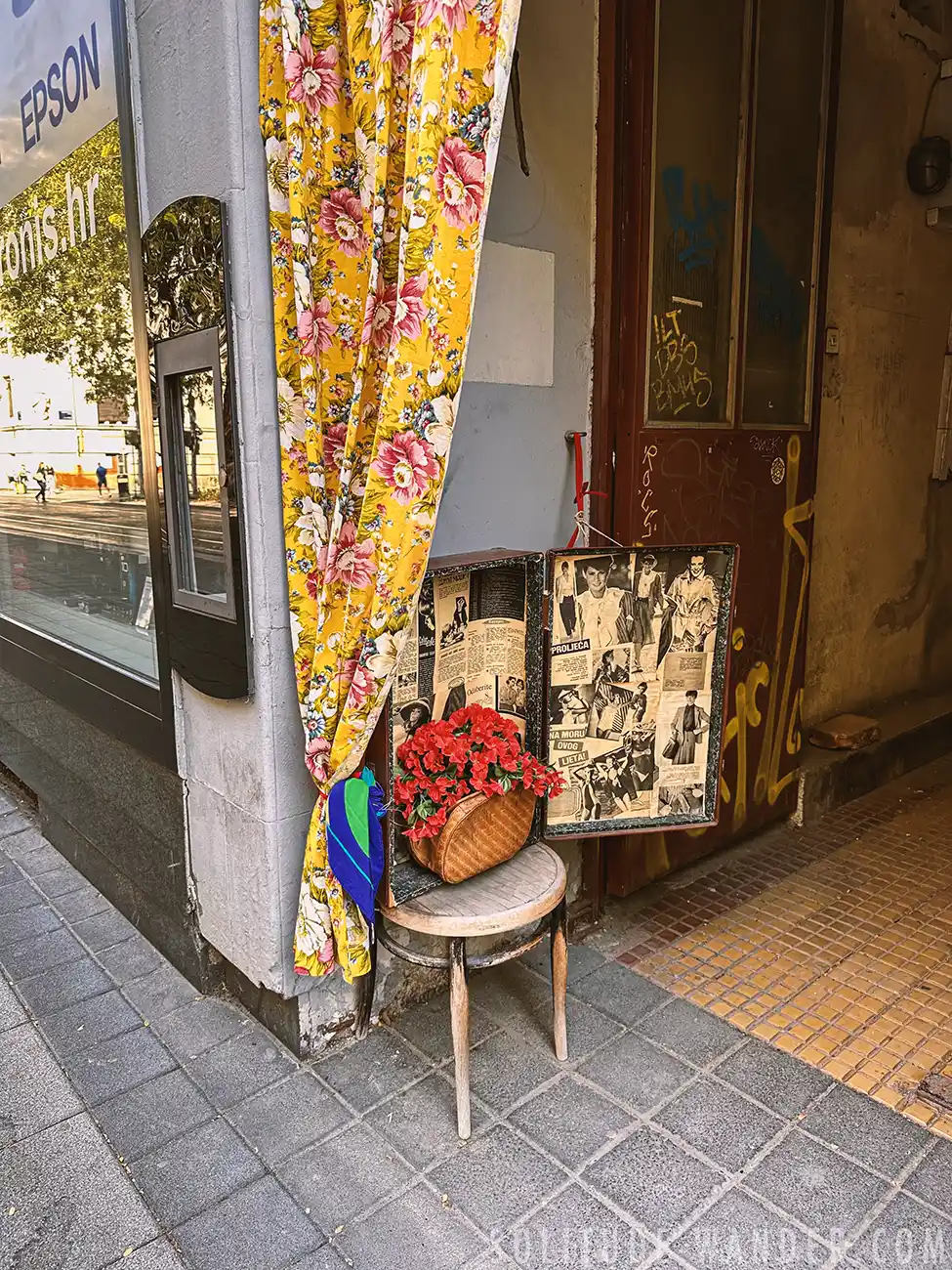
But Zagreb isn’t just about history—it’s also a hub for art, design, and innovation. Its bohemian soul emerges in vintage markets, independent galleries, and alternative venues. The city is rich in museums, some truly unique, and is enveloped in greenery, with parks stretching for kilometers. And then there’s the food: from traditional dishes like štrukli to international flavors that reflect its cosmopolitan spirit.
Don’t be fooled by its apparent tranquility—Zagreb is a city to experience, explore, and let yourself be surprised by.
Why Visit Zagreb?
Besides all the reasons mentioned above, there’s another great reason to visit Zagreb: saving money on your flight. Direct flights to the capital are often much cheaper than those to the well-known destinations on the Adriatic coast. This gives you the chance to explore Zagreb first and then travel down to the coast by train or by renting a car, which you could drop off at your final destination before flying back home from there.
Along the way, you can stop at the Plitvice Lakes, a breathtaking national park with spectacular waterfalls and emerald-green lakes. Or visit Rastoke, a charming riverside village known for its watermills and picturesque atmosphere. This route blends culture, nature, and adventure, making your trip to Croatia even more special.
Table of Contents
How to Get to Zagreb
By Plane
The nearest airport is Zagreb Airport (ZAG):
- Distance: About 15 km from the city center.
- It is Croatia’s main airport, offering domestic and international flights.
- Flights to Zagreb are often cheaper than those to the Adriatic coast, making it a great starting point for exploring the country.
Transport from the Airport to the City Center
🚗 Car Rental
If you plan to explore other destinations in Croatia, renting a car can be a good option.
- Average cost: €25-50 per day for an economy or mid-range car (e.g., Fiat 500, Opel Corsa).
- Larger or luxury vehicles can cost €80-120 per day.
- You can also pick up the car in Zagreb and drop it off in another city if you're heading to the coast.
🚖 Taxi
A fast but more expensive option.
- Estimated fare: €25-35 to the city center.
- Tip: Use apps like Bolt or Uber to save money compared to traditional taxis.
🚌 Bus
The cheapest way to reach the city.
- The Pleso Prijevoz bus connects the airport to Zagreb’s main bus station in about 30 minutes.
- Cost: Around €8 per person.
- From there, you can take a tram or taxi to your final destination.
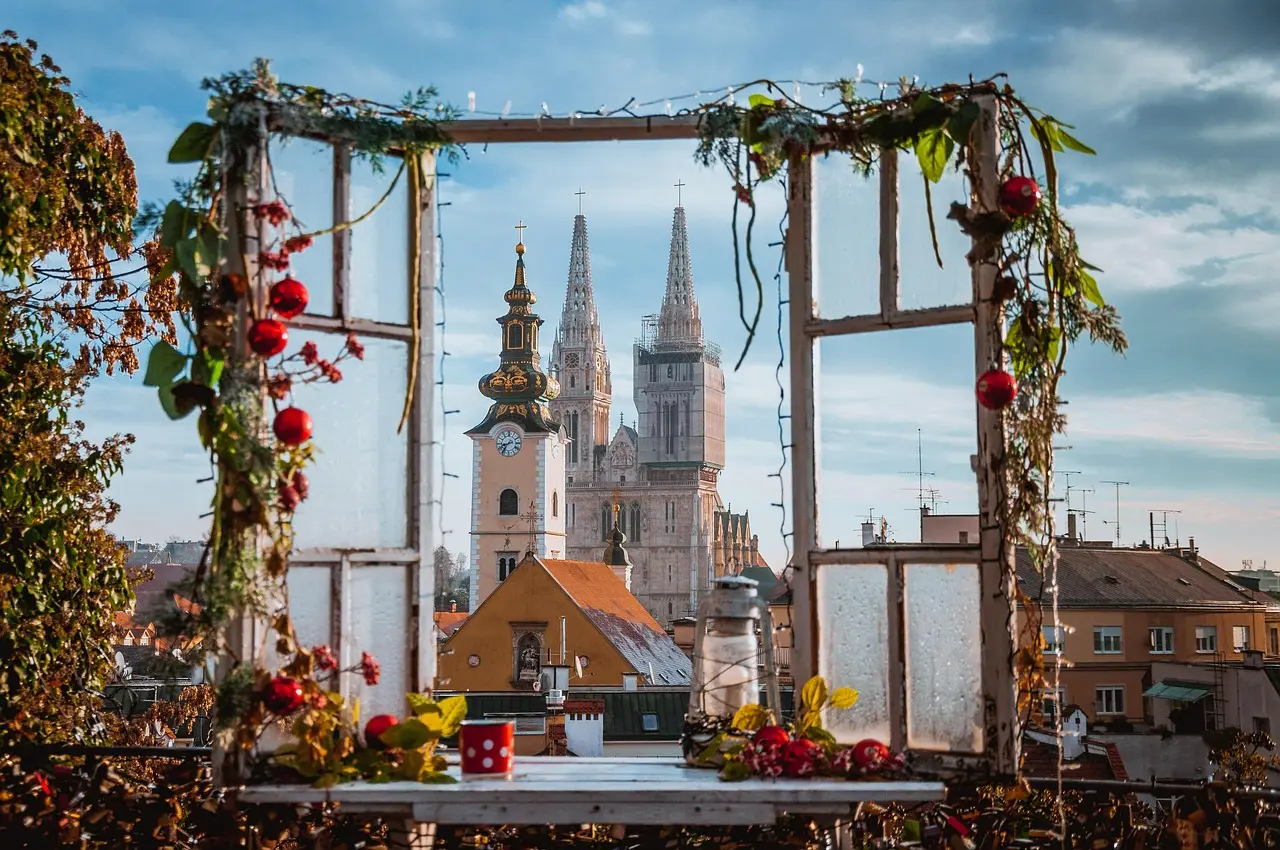
Image courtesy of Mtomicphotography/Pixabay
Zagreb City Guide
Itinerary Through the Upper and Lower Town
Zagreb, the capital of Croatia, is a city rich in history, culture, and stunning panoramic views. The city center is divided into two main areas: the Upper Town (Gornji Grad) and the Lower Town (Donji Grad).
The Upper Town retains its medieval charm, with cobbled streets, historic buildings, and breathtaking viewpoints. In contrast, the Lower Town is the modern heart of the city, featuring wide avenues, museums, and shops.
Below, I present my itinerary for exploring Zagreb in a logical and practical order, which you can adjust based on the duration of your visit.
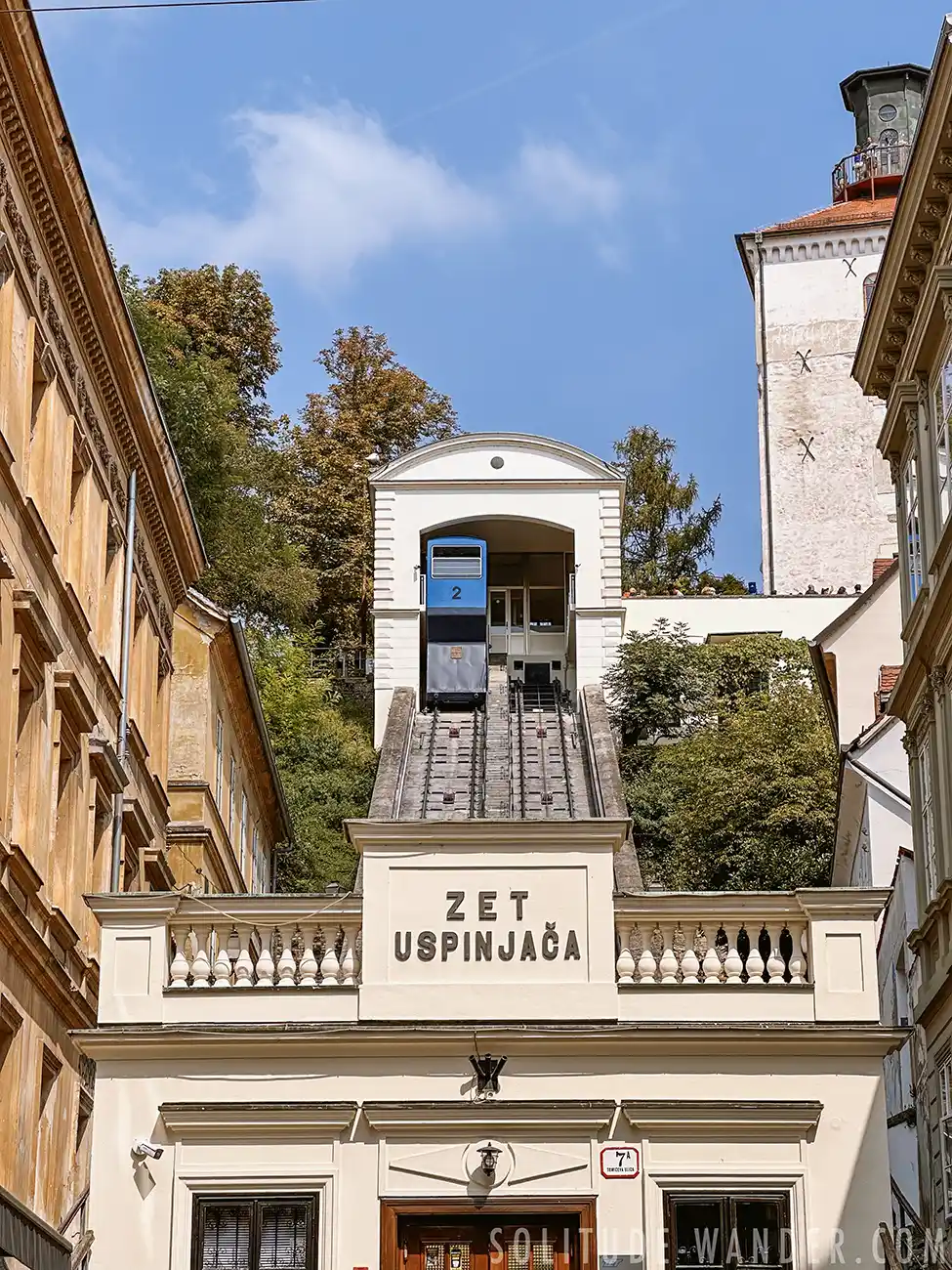
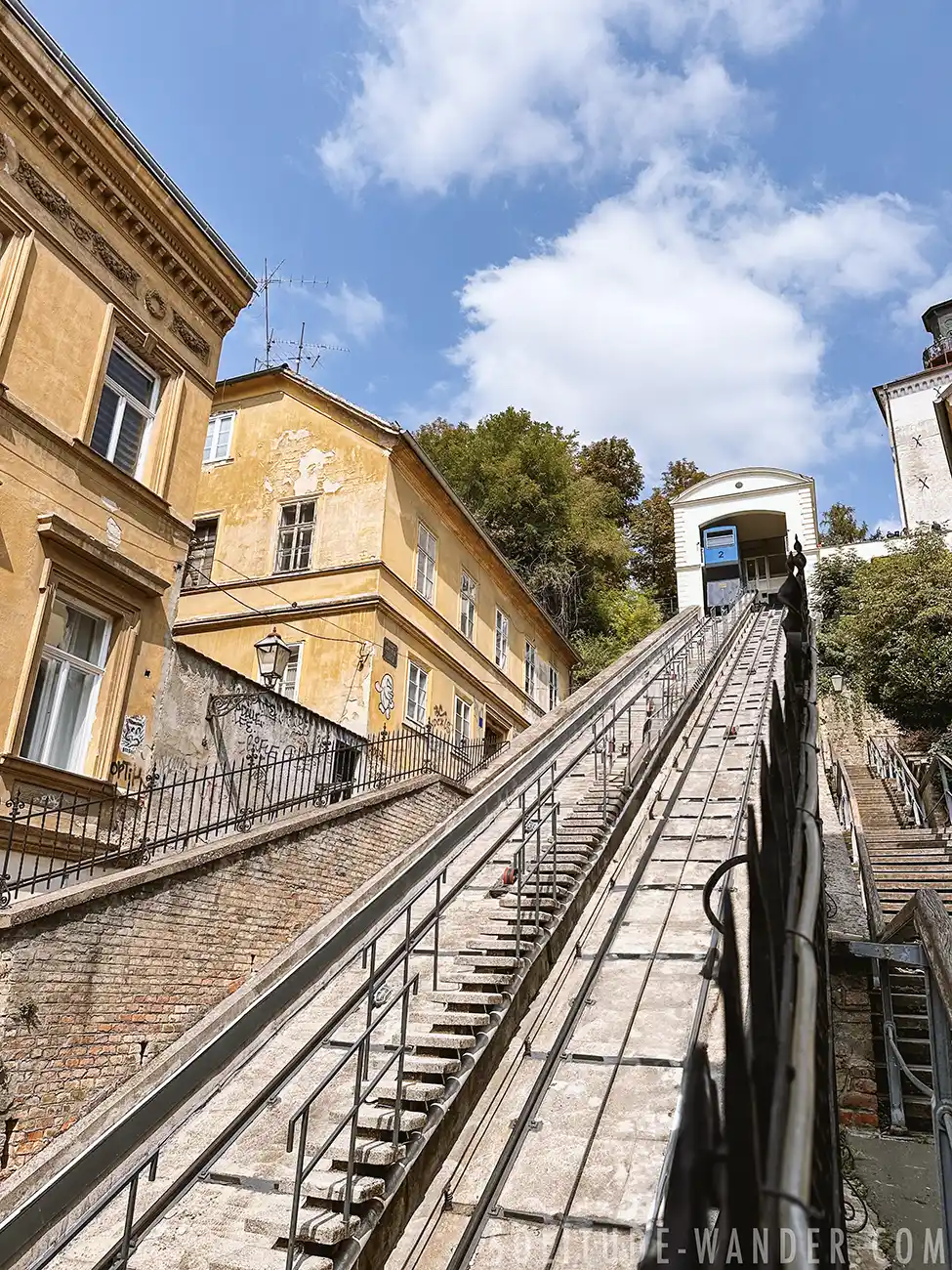
1 The Zagreb Funicular
The ideal starting point for exploring Zagreb is the Zagreb Funicular (Zagrebačka uspinjača), an iconic city landmark that perfectly connects the Lower Town (Donji Grad) with the picturesque Upper Town (Gornji Grad). This charming attraction holds the record as the world’s shortest funicular used for public transport, covering a distance of just 66 meters.
Built in 1890 and originally steam-powered, this historic funicular transports visitors between the two parts of the city in just 55 seconds. Despite its short ride, the experience is a must for anyone visiting the Croatian capital.
Once you reach the upper station, you will find yourself in the beautiful Upper Town, just a short walk from the picturesque Tkalčićeva Street and the famous St. Mark’s Church.
- Ticket price: Approximately €2
- Alternative option: Those who prefer to walk can take the adjacent staircase, a short but slightly steep climb.
2 The Upper Town and Lotrščak Tower
Once at the top, you’ll find yourself in the Upper Town, known for its medieval atmosphere.
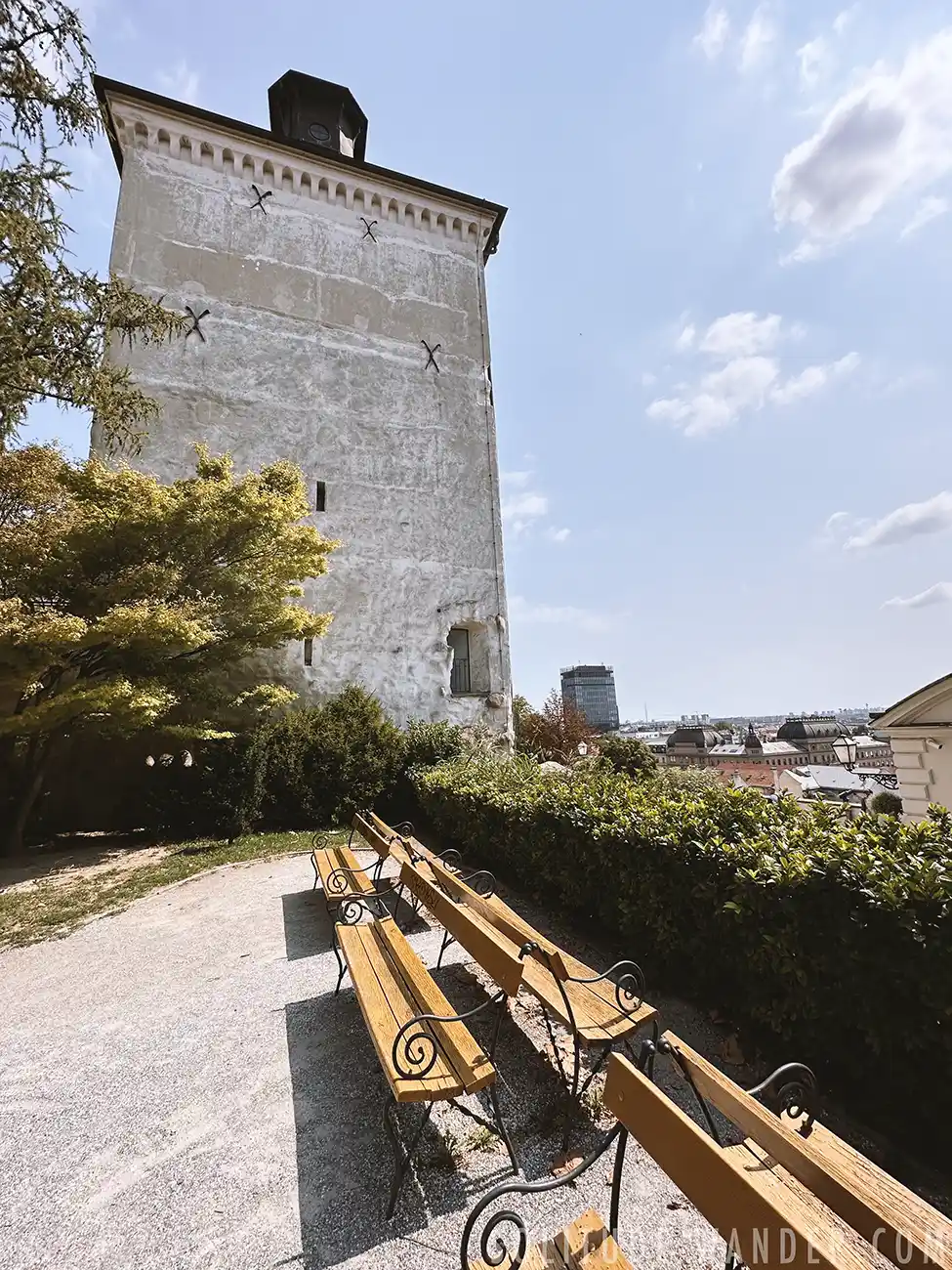
The first landmark you’ll encounter is the Lotrščak Tower, a medieval tower dating back to the 13th century. Every day at noon, a cannon shot is fired from the tower (beware, it's very loud! I recommend covering your ears), a tradition that dates back to the 19th century.
A Postcard-Perfect Panorama
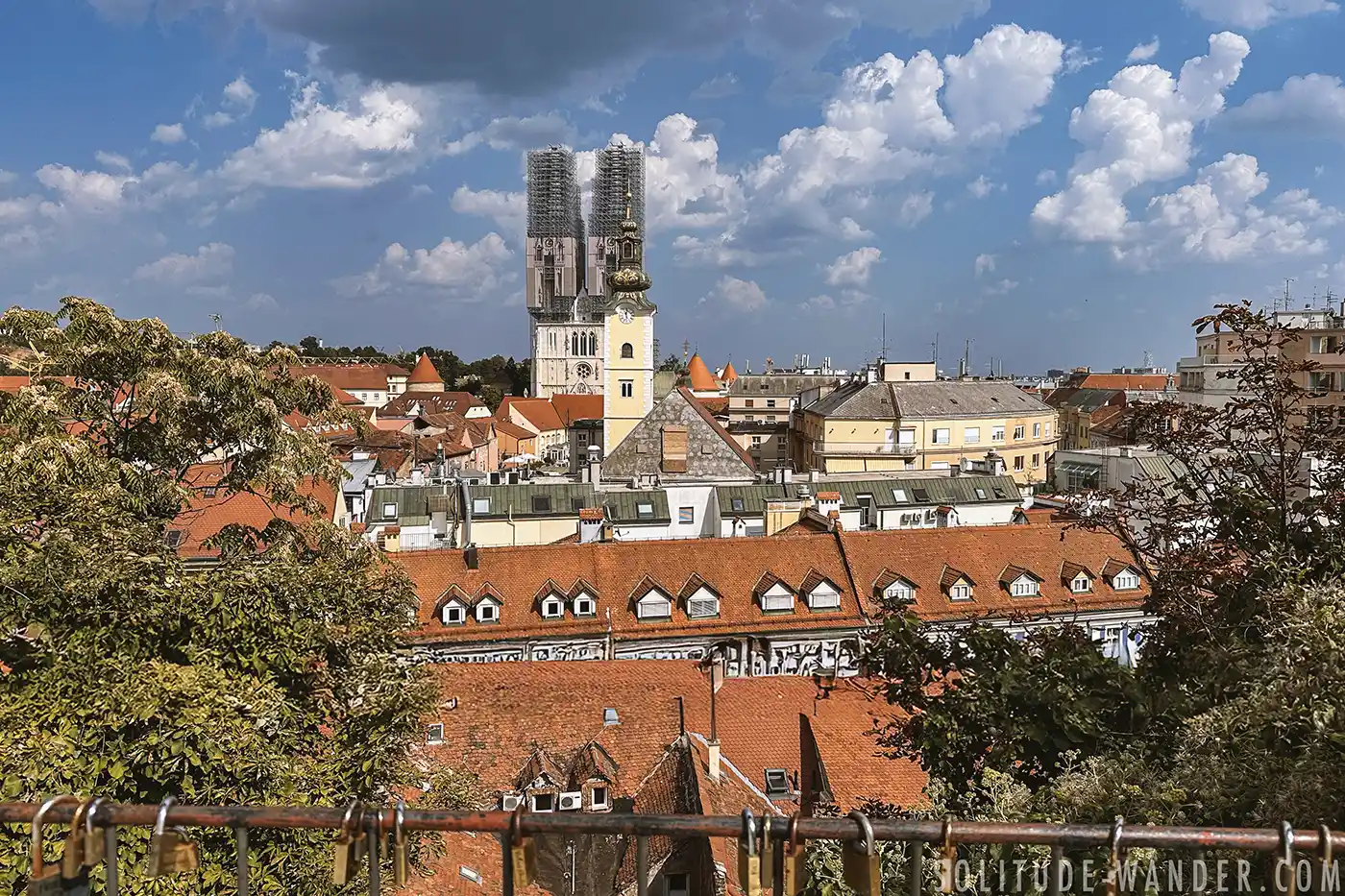
It’s absolutely worth climbing to the panoramic terrace at the top of the tower (ticket: approx. €4). From here, you can enjoy one of the most spectacular views of the city, offering a 360-degree panorama that includes the entire historic center, the red rooftops of the Lower Town, the cathedral, and, on clear days, even the Medvednica mountains to the north.
Fun Fact
This 31-meter-high stone fortress was once a crucial part of the city’s defensive walls, protecting the southern entrance to Zagreb. Today, it offers one of the best panoramic views of the city.
Inside the tower, there is a small but fascinating museum showcasing Zagreb’s history through vintage photographs and historical artifacts.
According to a local legend, the tower is protected by a dragon that sleeps beneath its foundations and awakens only in times of great danger to the city.
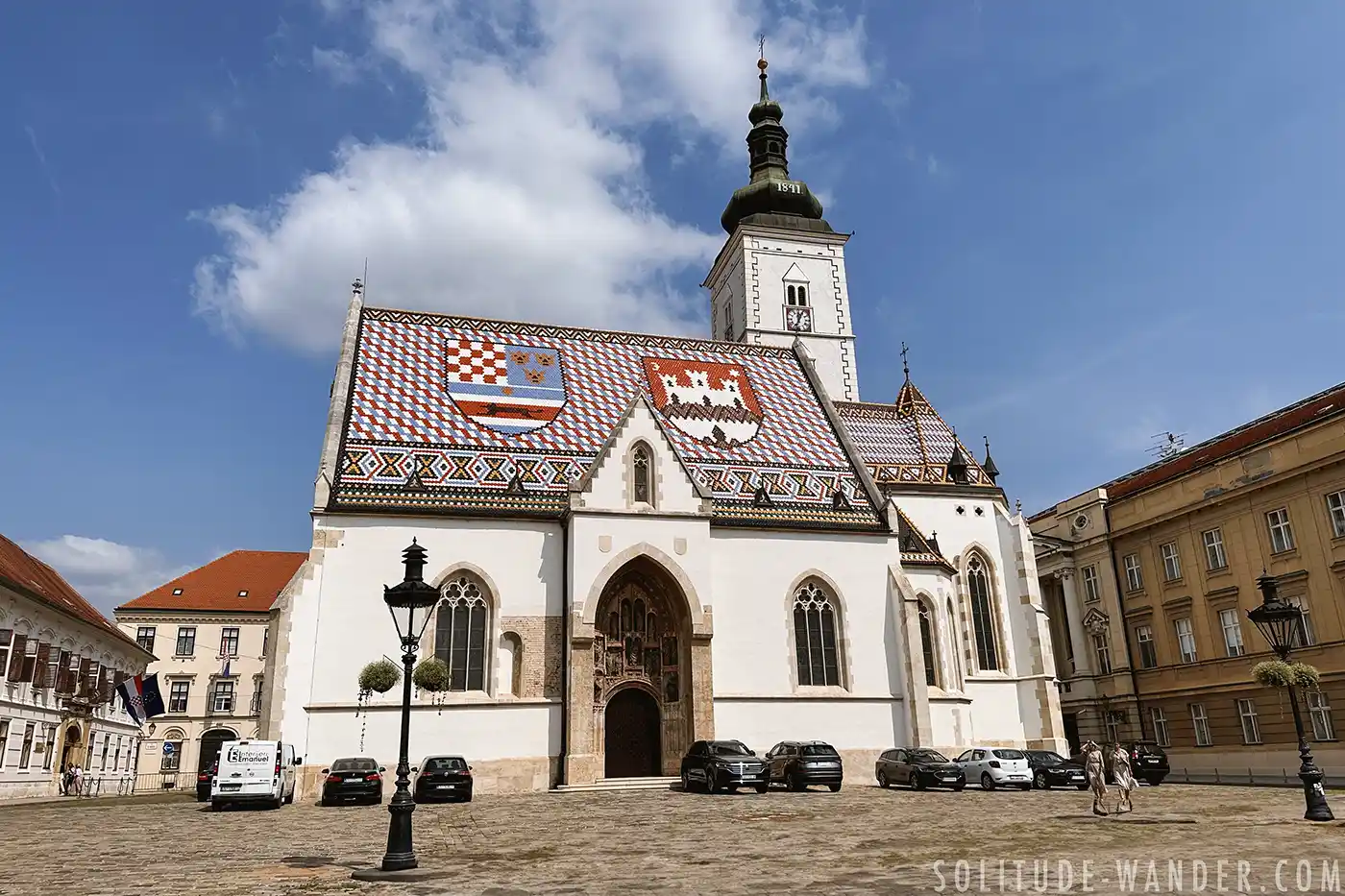
Saint Mark’s Church
3 St. Mark’s Church
Continuing along the smooth cobblestone streets of the Upper Town, after just a few minutes of pleasant walking, you will reach the picturesque St. Mark’s Square (Markov trg)—the political center of Croatia. Here, you’ll find important government buildings, such as the Croatian Parliament (Sabor) and the Government Palace.
At the heart of the square stands the iconic St. Mark’s Church (Crkva sv. Marka), one of the most photographed and recognizable landmarks in Zagreb.
A Roof That Tells Croatia’s History
The first thing that immediately catches the eye is the church’s extraordinary multicolored tiled roof, a true heraldic masterpiece and one of the finest examples of Gothic civic architecture in Europe.
Built in 1880 by the renowned architects Hermann Bollé and Janko Grahor, the roof features:
- On the left side, the historical coat of arms of the Kingdom of Croatia-Slavonia-Dalmatia, with its distinctive red and white checkerboard (šahovnica).
- On the right side, the coat of arms of Zagreb, depicting a white castle on a blue background.
Due to security measures related to the surrounding government buildings, access to the church interior is highly restricted and often completely closed to tourists.
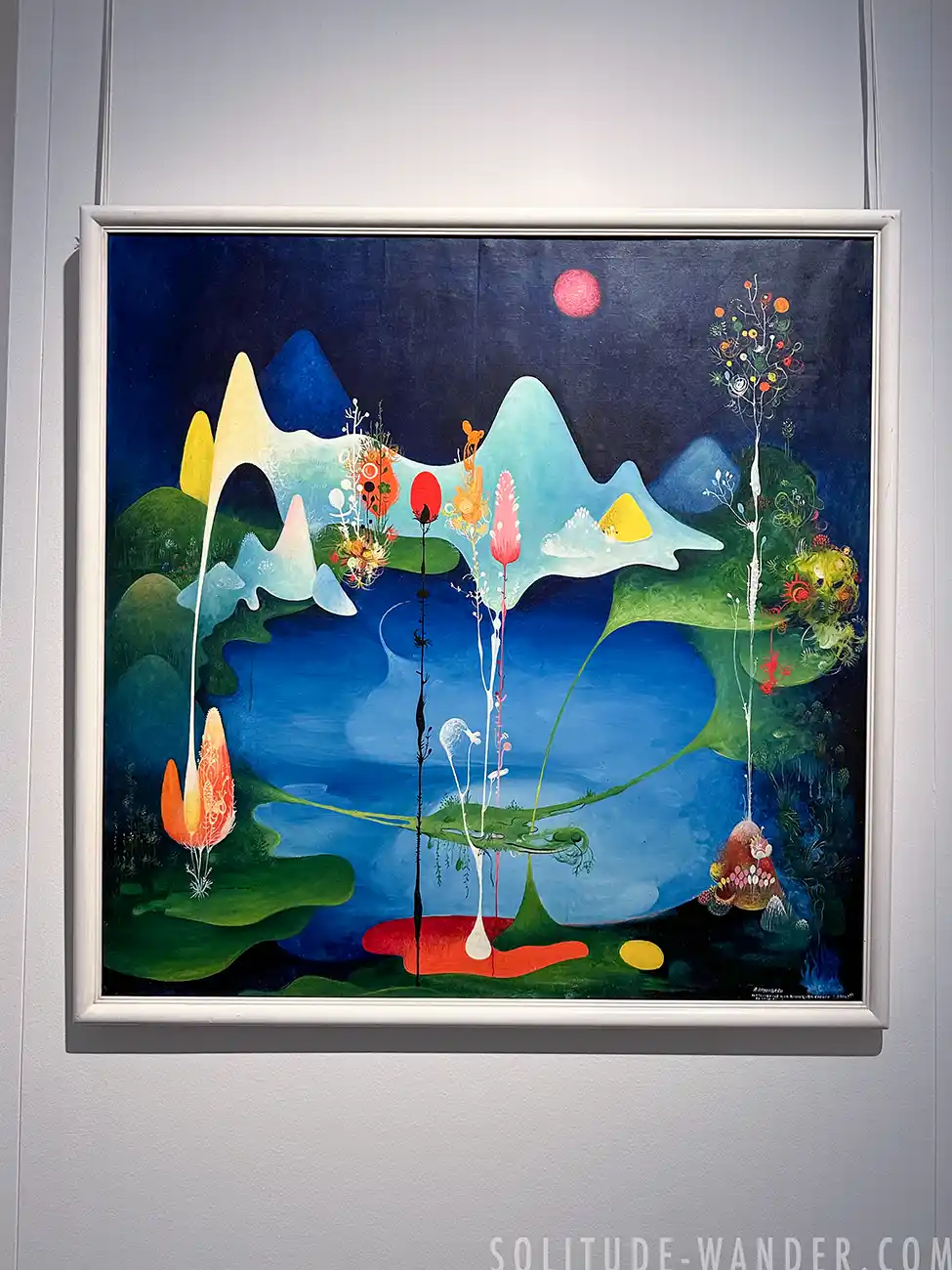
Naif Museum

Art performance - Galerije Kaptol
4 Museums in the Upper Town
The Upper Town is home to some unique museums that are definitely worth a visit:
-
Museum of Broken Relationships – An unusual museum displaying objects donated by people from all over the world, each linked to a story of a love that ended. An emotional and original experience.
-
Museum of Naïve Art – Dedicated to Croatian naïve art, this museum showcases works by self-taught artists who use vibrant colors and unconventional perspectives.
Did you know? Croatia is famous for the "Hlebine School", a unique artistic movement. Many Croatian naïve artists paint on glass in reverse (from the back to the front), creating a special luminous effect.
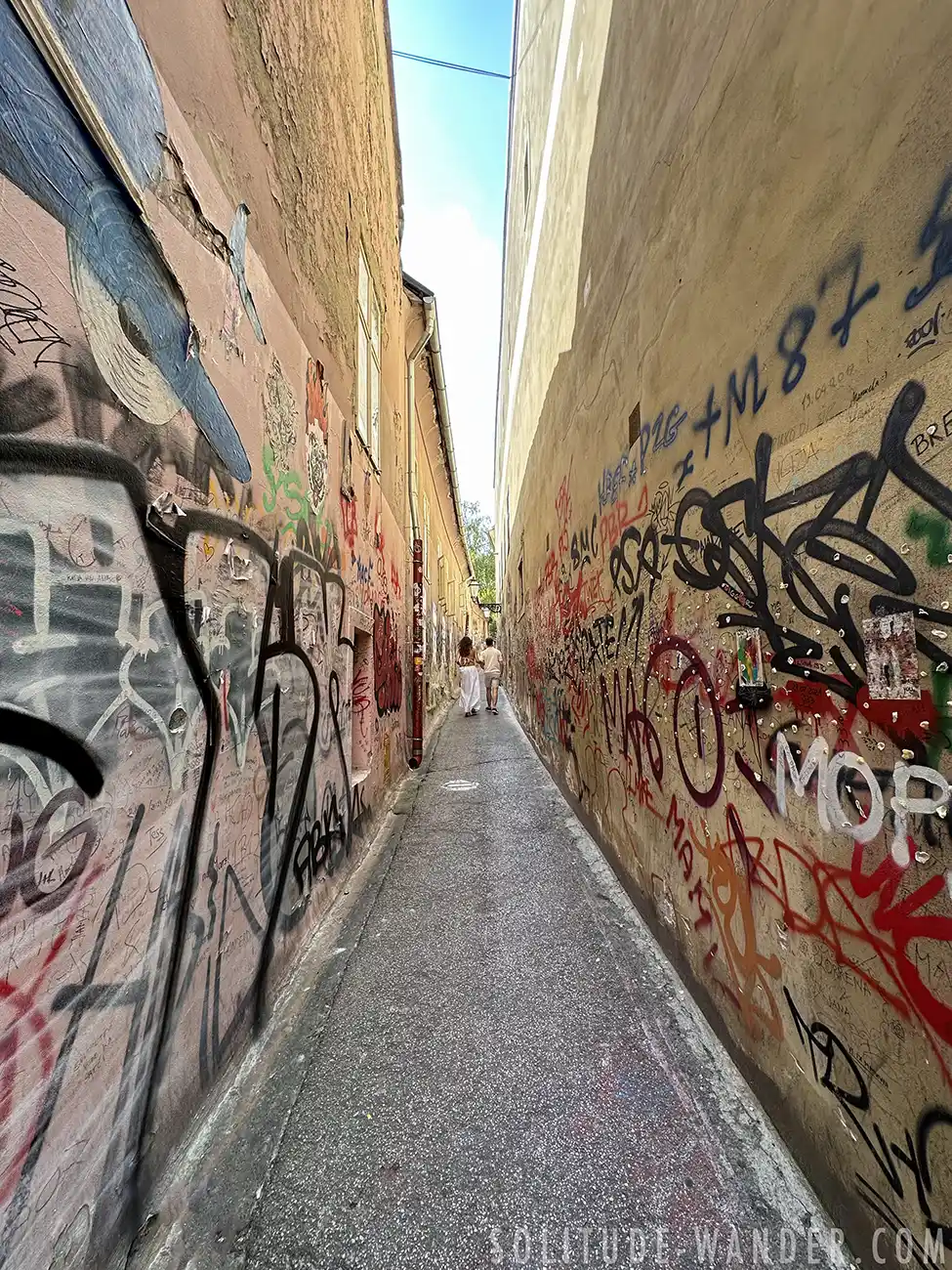
Pop narrow street - Stube Ivana Zackmardija
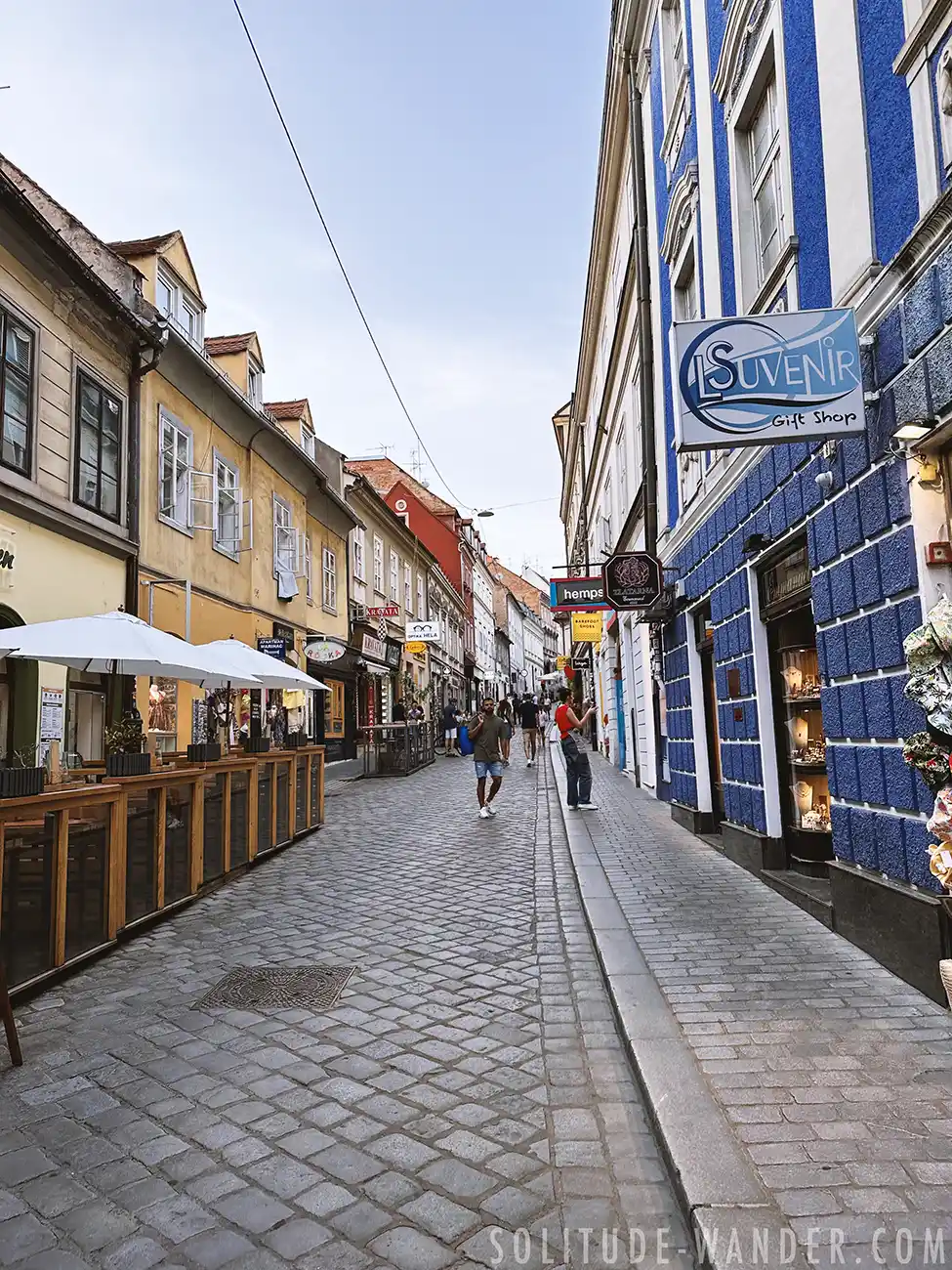
Best brunch bars -Ul. Pavla Radića
5 Panoramic View and Descent to the Lower Town
Before heading down to the Lower Town, it's highly recommended to stop at one of the panoramic viewpoints in the Upper Town, offering a spectacular view over Zagreb’s rooftops.
-
Scenic Route: Instead of taking the funicular, you can walk down a picturesque path with an open view of the city. On clear days, you can even see the Medvednica Mountains to the north.
-
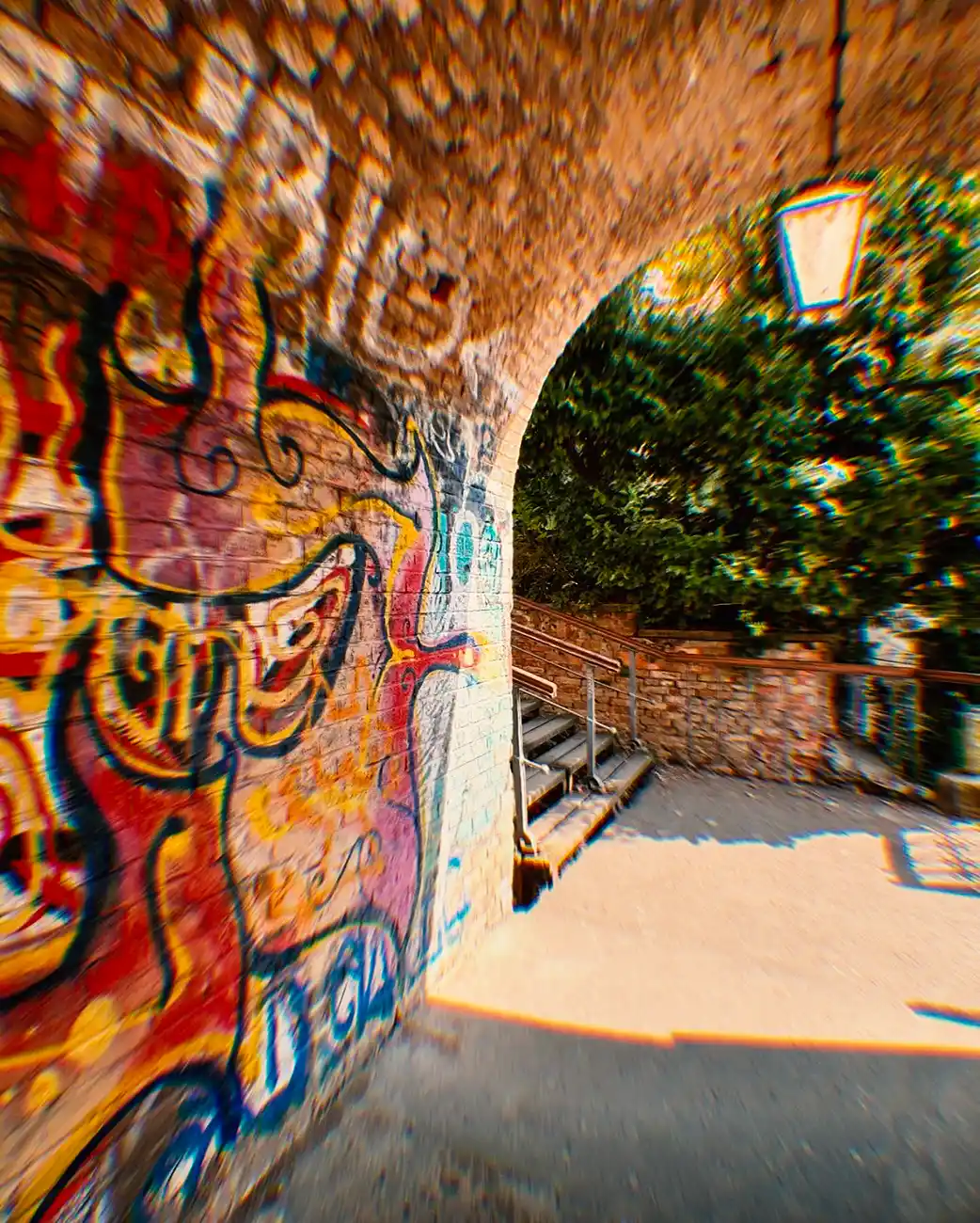
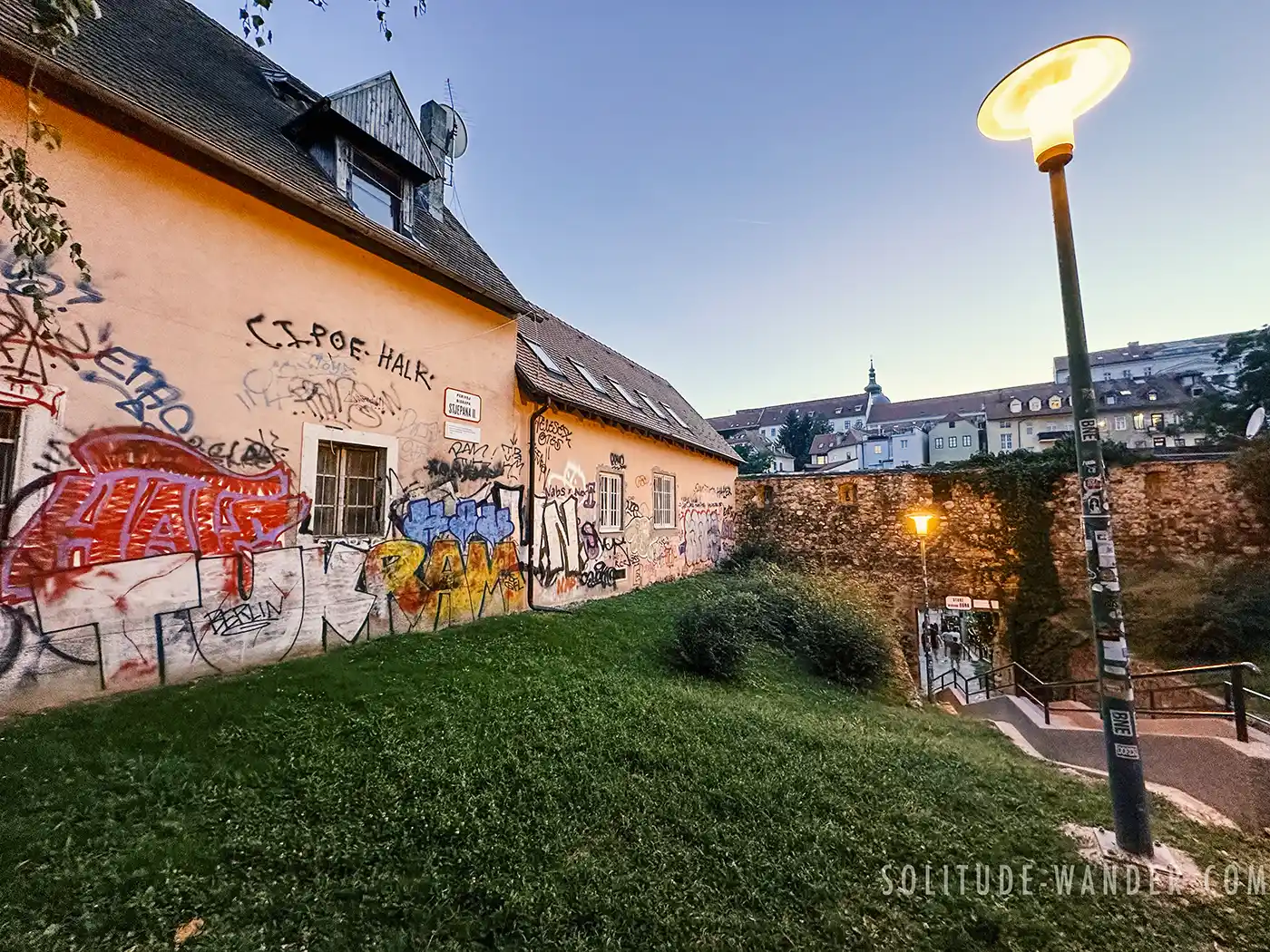
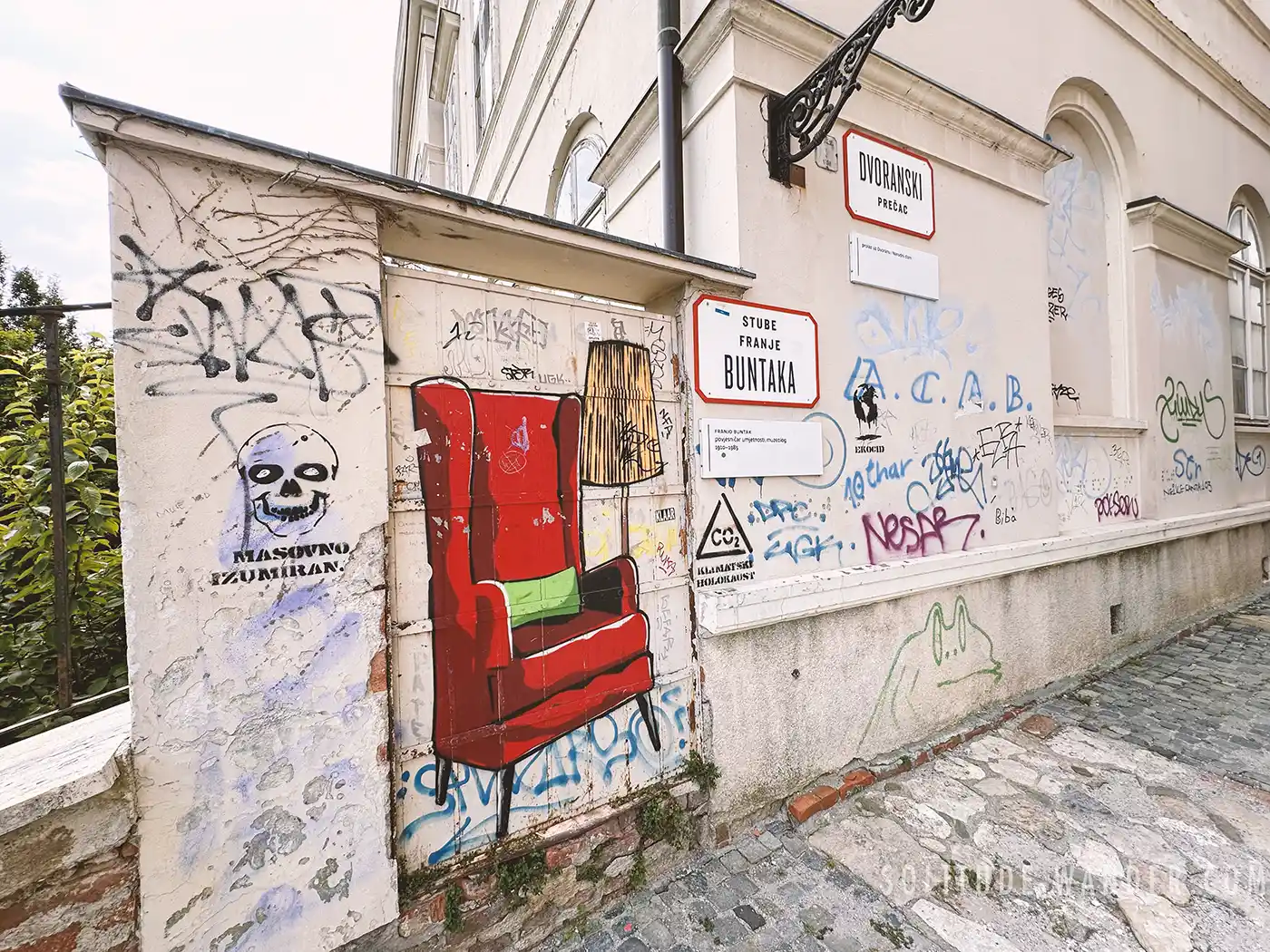
The "Chewing Gum Alley" – Along the way, you'll pass through a narrow alley (Stube Ivana Zakmardija), which I personally call the "Chewing Gum Alley". The walls are covered in colorful graffiti and chewing gum, creating a pop-art contrast with the medieval surroundings. It has become a spontaneous urban art installation, adding a unique touch to the area.
-
Ul. Pavla Radića: Continuing down, you'll reach Ul. Pavla Radića, a lively street filled with charming cafés and brunch spots. Many venues have outdoor terraces, perfect for relaxing while watching the locals go by.
-
Ban Jelačić Square: Further down, you'll arrive at Ban Josip Jelačić Square, the vibrant heart of Zagreb. This historic square is famous for its iconic equestrian statue, fountains, and the grand buildings that surround it.
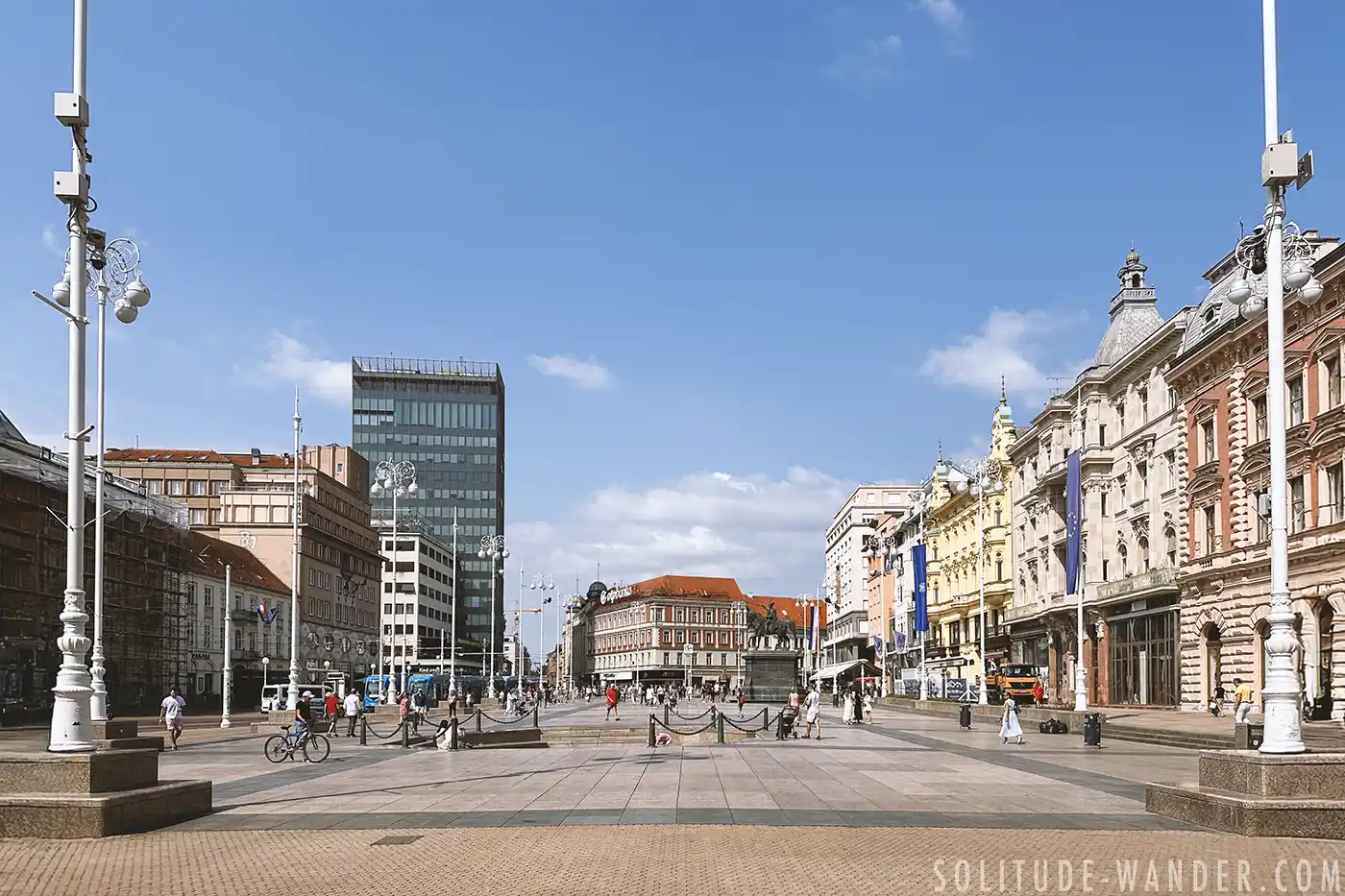
6 Ban Jelačić Square
The Beating Heart of Zagreb
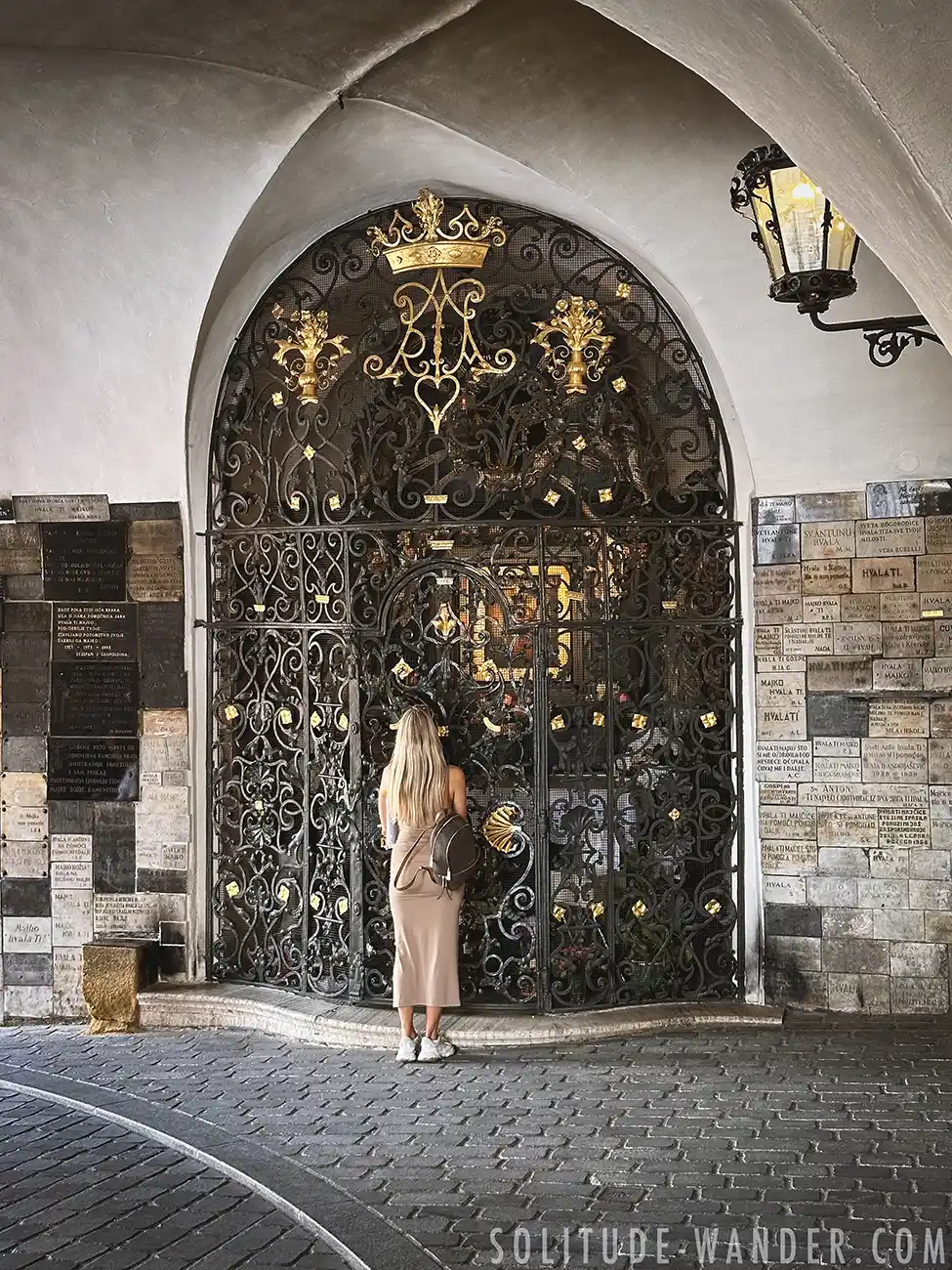
Gate of Kamenita Vrata
7 The Zagreb Cathedral
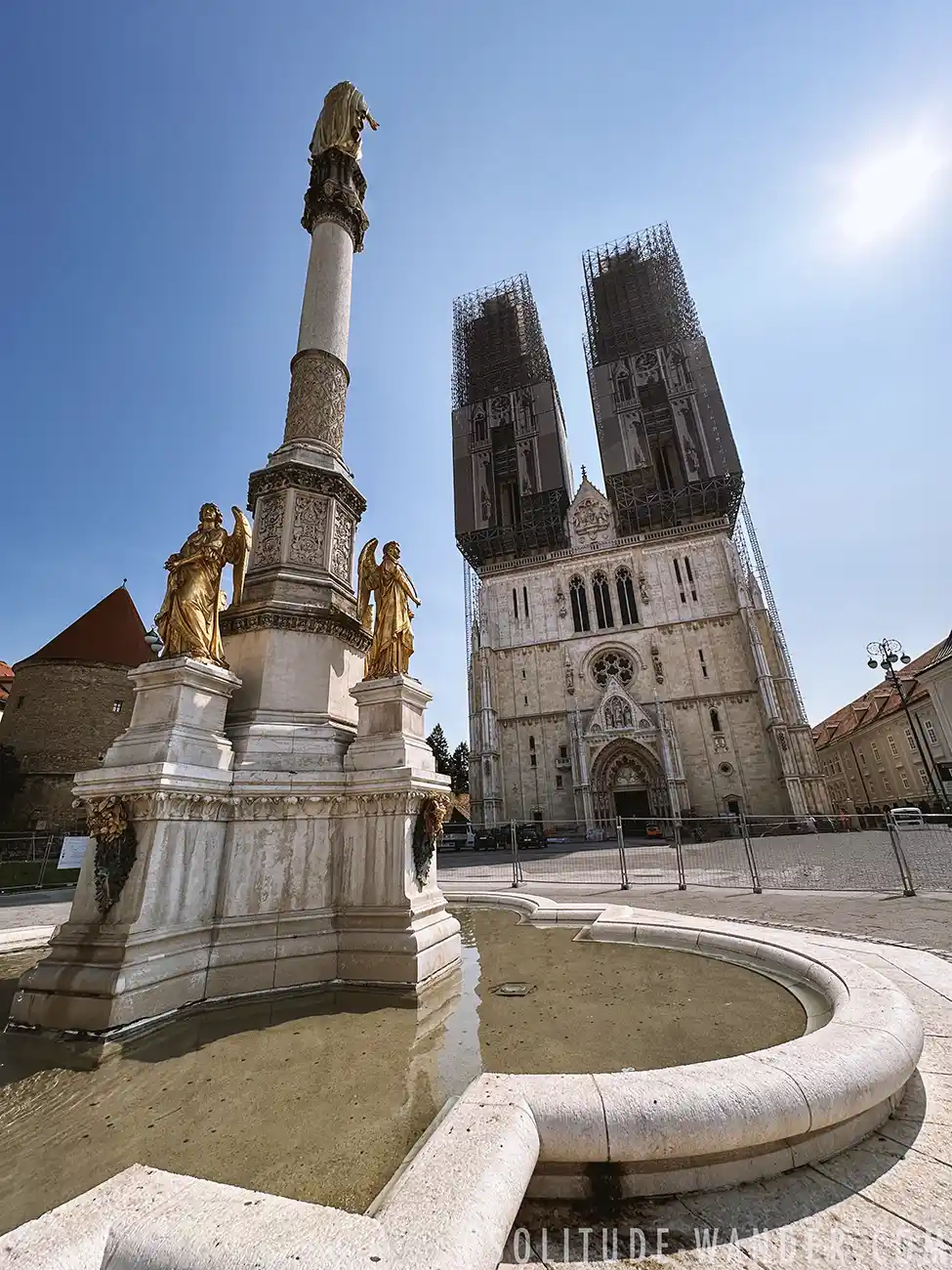
Just a few steps from the square stands the majestic Zagreb Cathedral, dedicated to the Assumption of the Virgin Mary.
Also known as the Cathedral of St. Stephen, it is one of Croatia's most important places of worship and a masterpiece of Gothic architecture. Built in the 13th century and expanded over the centuries, the cathedral is famous for its twin towers, which, at 108 meters high, are the tallest structures in the city. Inside, visitors can admire magnificent frescoes, colorful stained glass windows, and finely crafted altars, including the precious Baroque-style main altar.
The cathedral also holds great historical significance. It was damaged during the 2020 earthquake, but restoration efforts are underway to preserve its beauty. Inside, the tombs of key Croatian historical figures can be found, including Archbishop Josip Juraj Strossmayer. More than just a religious center, Zagreb Cathedral is a must-see landmark, representing the culture and history of Croatia.
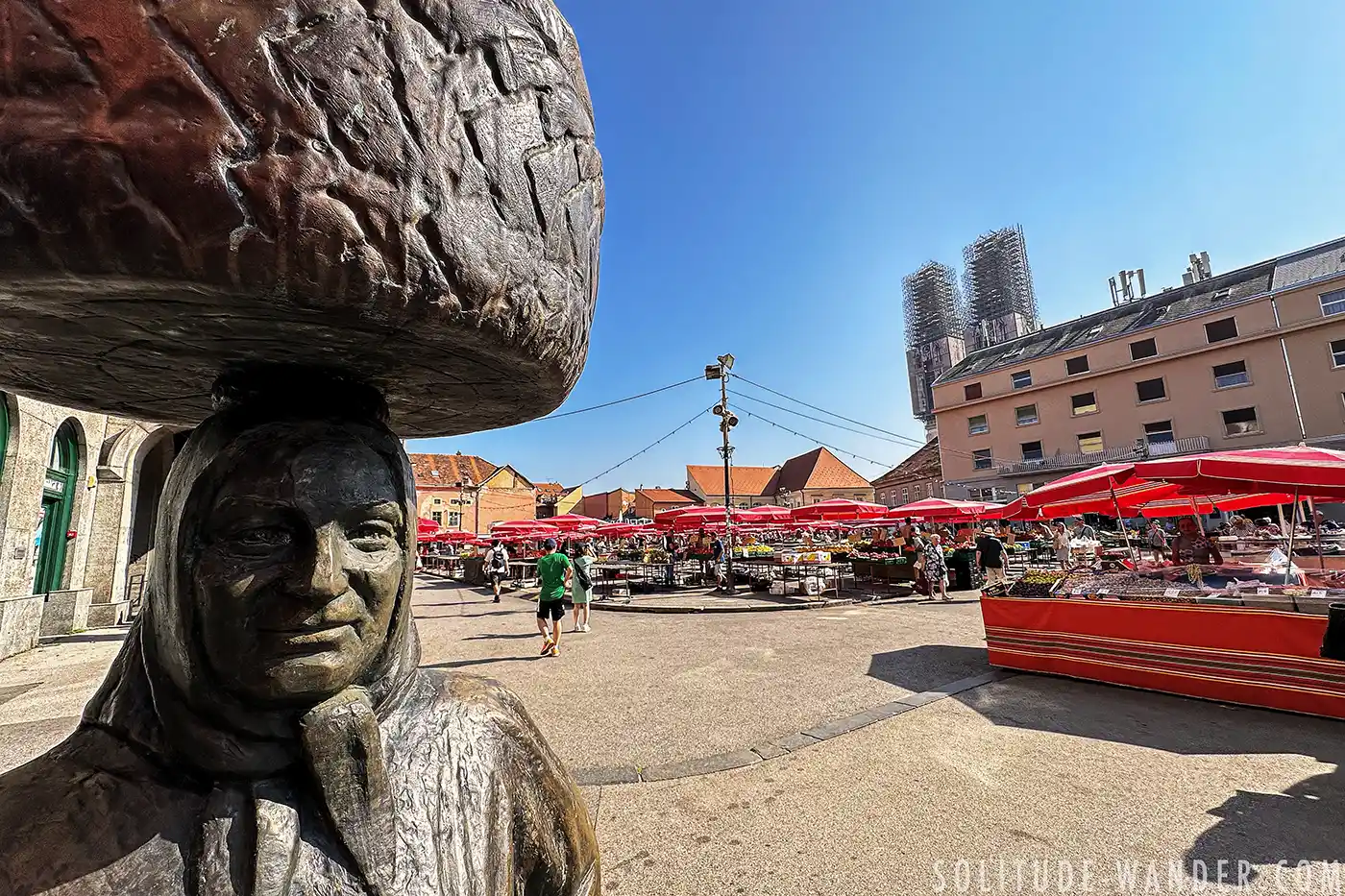
Market of Dolac
8 The Dolac Market
The Authentic Heart of Zagreb
Behind the towering Zagreb Cathedral lies one of the city's most iconic and lively spots: Dolac Market. Known as Zagreb’s largest open-air market, Dolac is a true treasure for those looking to immerse themselves in local culture and traditions.
A Feast of Colors and Flavors
Every day from 7:00 AM to 3:00 PM, the market bursts to life with stalls filled with fresh, high-quality products. Farmers from the region bring the best of their harvests: seasonal fruits and vegetables, traditional cheeses, artisanal cured meats, and more. Visitors can also find Croatian specialties like sheep’s cheese and local honey, perfect for taking home an authentic taste of Dalmatia.
More Than Just Food: Handicrafts and Tradition
Beyond food, Dolac Market is also a great place to discover local craftsmanship. Among the stalls, you’ll find handmade goods, unique souvenirs, and traditional products that tell the story of this fascinating region.
An Experience Not to Be Missed
Visiting Dolac Market isn’t just about shopping—it’s about experiencing Zagreb’s vibrant atmosphere. It’s the perfect place to connect with locals, taste Croatia’s flavors, and bring home unforgettable memories.
9 Zagreb Parks
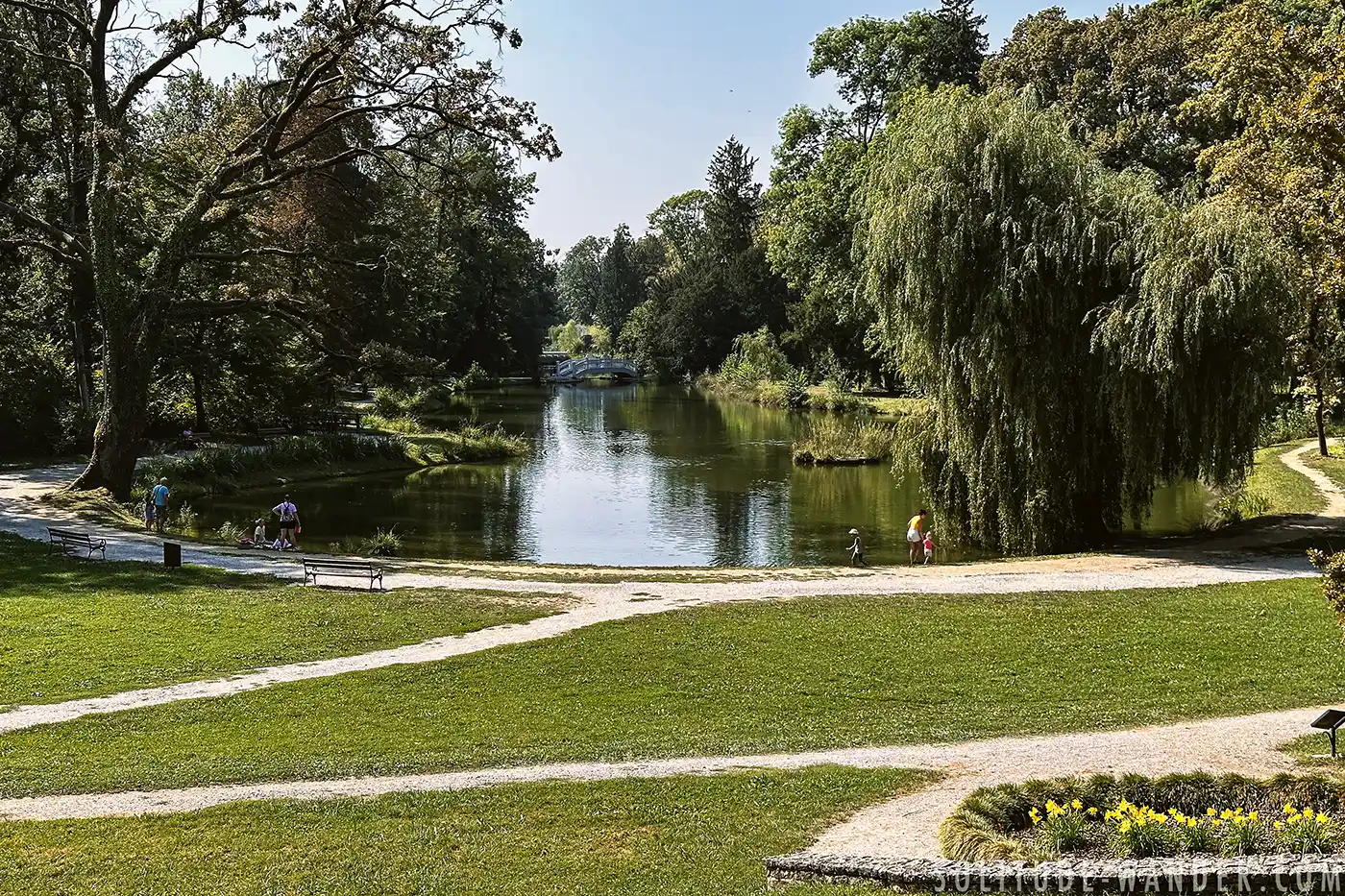
Just a few kilometers from downtown Zagreb lies Maksimir Park, my favorite spot in the city—a green oasis perfect for a break from urban life. It’s easily accessible via tram number 11 or 12, which takes about 15 minutes from Ban Jelačić Square to the stop near the park entrance. Alternatively, I opted to rent a bike from Zagreb Bike Tours @ Blue Bike, located near the square. The ride is enjoyable and takes around 15-20 minutes, as the route is completely flat and follows a designated bike path.
The park covers 316 hectares, featuring tree-lined trails, vast meadows, and lakes home to ducks and swans. It’s ideal for walking, jogging, or simply relaxing in nature. Some highlights include Bellevue Tower, which offers a lovely view, and Zagreb Zoo, located within the park. The zoo is compact yet well-maintained, home to over 350 animal species, including lions, wolves, meerkats, and exotic reptiles. It’s a great destination for families with children, but also for anyone interested in discovering local and international wildlife in a natural setting.
There are plenty of benches to rest along the way, and near the entrance, you’ll find kiosks and cafés selling drinks and snacks. For a more relaxed meal, there’s also a restaurant with a terrace surrounded by greenery.
The time you spend here depends on your plans: an hour for a quick stroll, two to three hours to explore at a leisurely pace, or half a day if you visit the zoo or enjoy a picnic. Maksimir Park is a peaceful retreat in the heart of Zagreb, not to be missed.
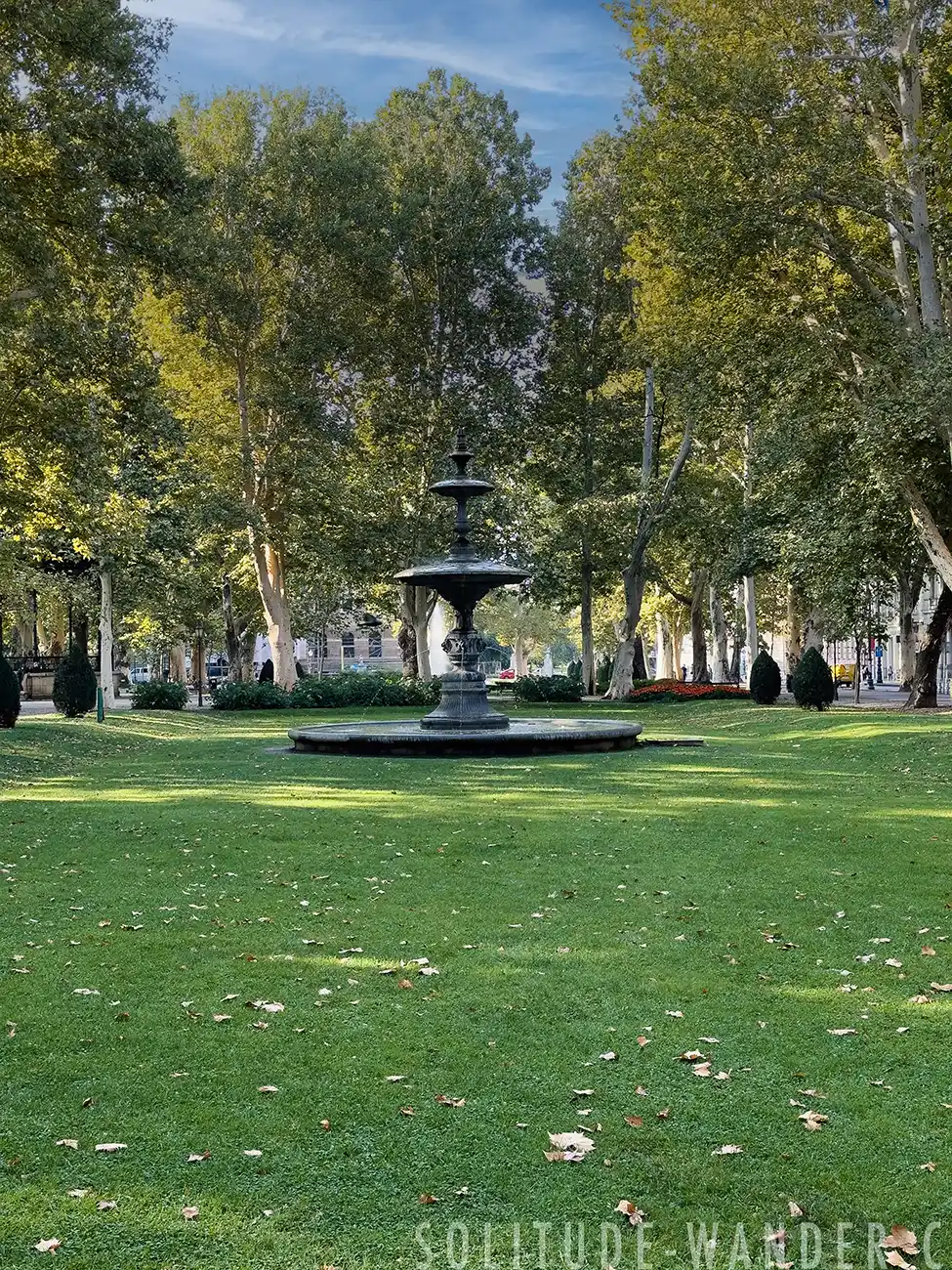
Park of Zrinjevac
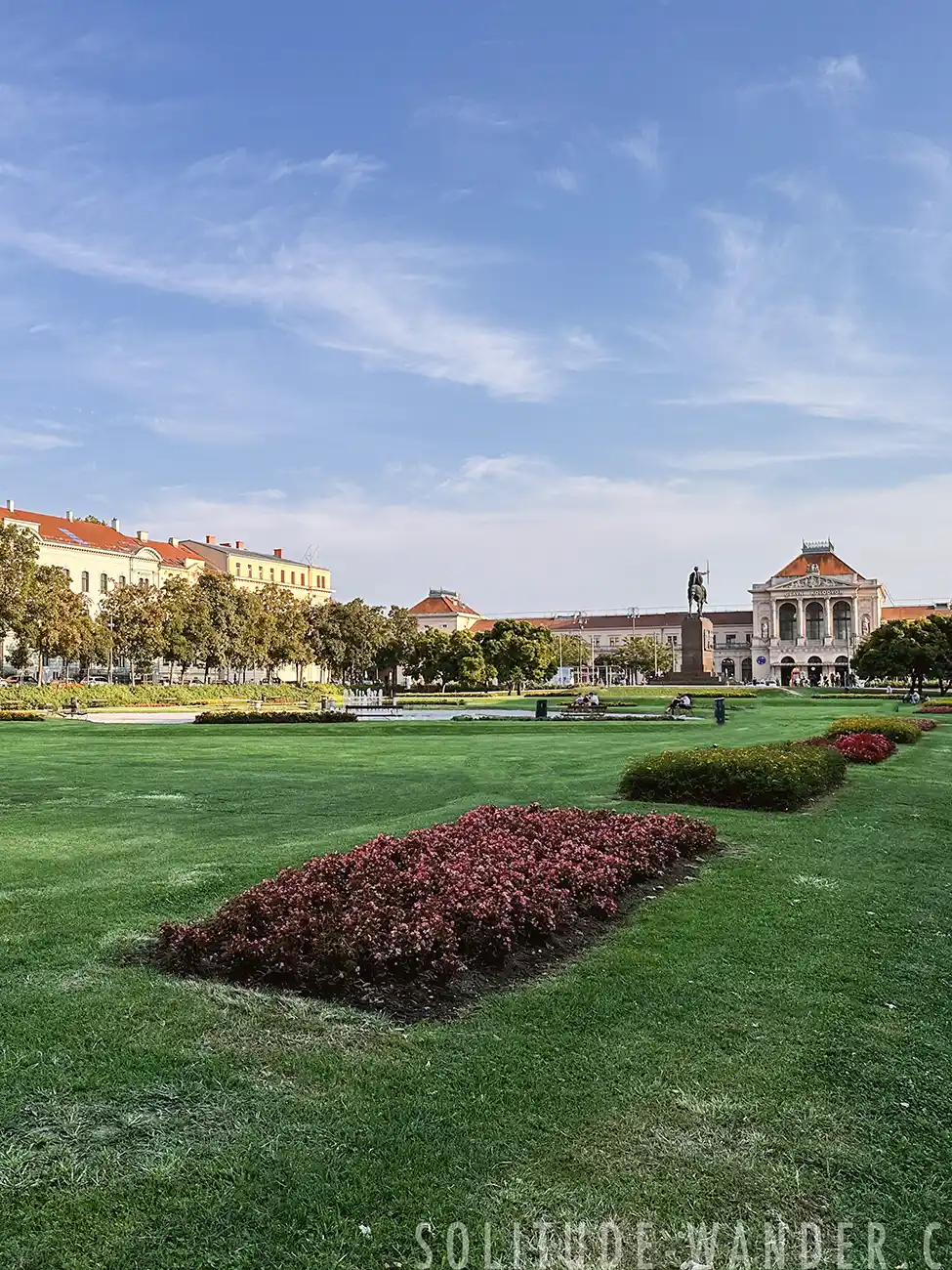
Park of Re Tomislav
Park Zrinjevac
10 Other Museums in Zagreb
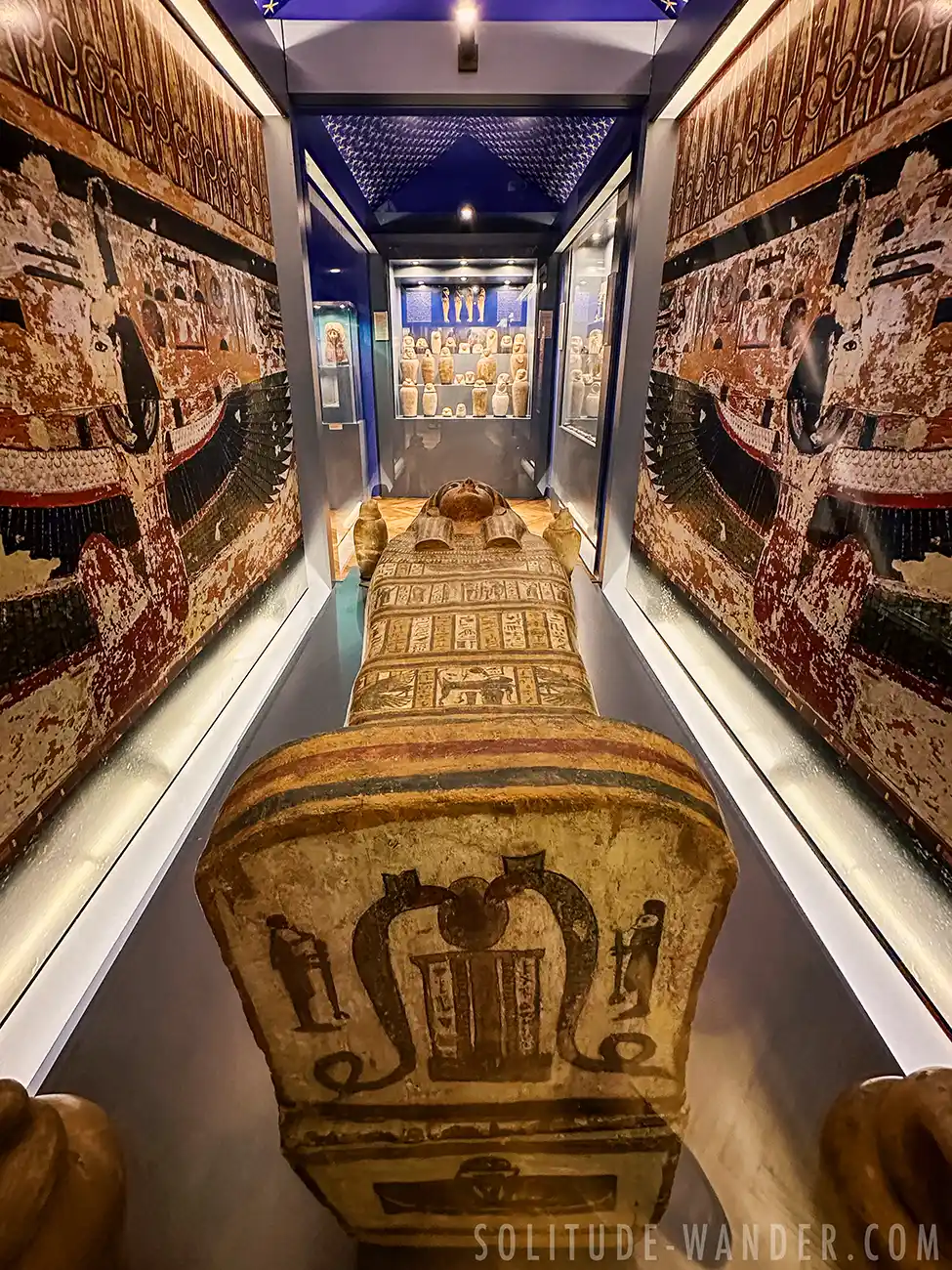
Archaeological Museum Located near Zrinjevac Park, the Archaeological Museum houses a vast collection of artifacts ranging from prehistory to the Roman era. Among its most famous exhibits are the Zagreb Mummy, featuring the oldest known Etruscan inscription, and the Vučedol Treasure, a remarkable testament to Bronze Age civilization. A must-visit for history and archaeology enthusiasts.
Nikola Tesla Museum (Technical Museum) The Nikola Tesla Museum in Zagreb celebrates the life and inventions of the renowned Serbo-Croatian scientist. Through interactive exhibits and live demonstrations, visitors can explore Tesla’s revolutionary contributions to electricity and technology, making it a fascinating stop for science and innovation lovers.
Museum of Contemporary Art (MSU) Located just outside the Upper Town, the Museum of Contemporary Art showcases the most significant collection of Croatian and international contemporary art from 1950 to today. Designed by architect Igor Franić, the museum itself is a modern masterpiece, featuring the iconic external "slide tube", which allows visitors to literally slide from one floor to another!
Mimara Museum Housed in an elegant Neo-Renaissance building, the Mimara Museum boasts an impressive art collection, featuring works by Raphael, Rembrandt, and Goya. With over 3,700 pieces, including paintings, sculptures, and decorative arts, it stands as one of Zagreb’s most important art galleries.
Botanical Garden If you love spending time surrounded by greenery in Zagreb, there's a hidden garden you shouldn’t miss—a peaceful retreat in the heart of the city. Home to over 10,000 plant species, tranquil ponds, and historic greenhouses, it offers a perfect escape into nature. Wander through themed gardens, admire exotic flora, and take a break from the urban buzz.
If you're visiting in summer, don't forget to protect yourself from mosquitoes - there are plenty of them, and they don't offer discounts.
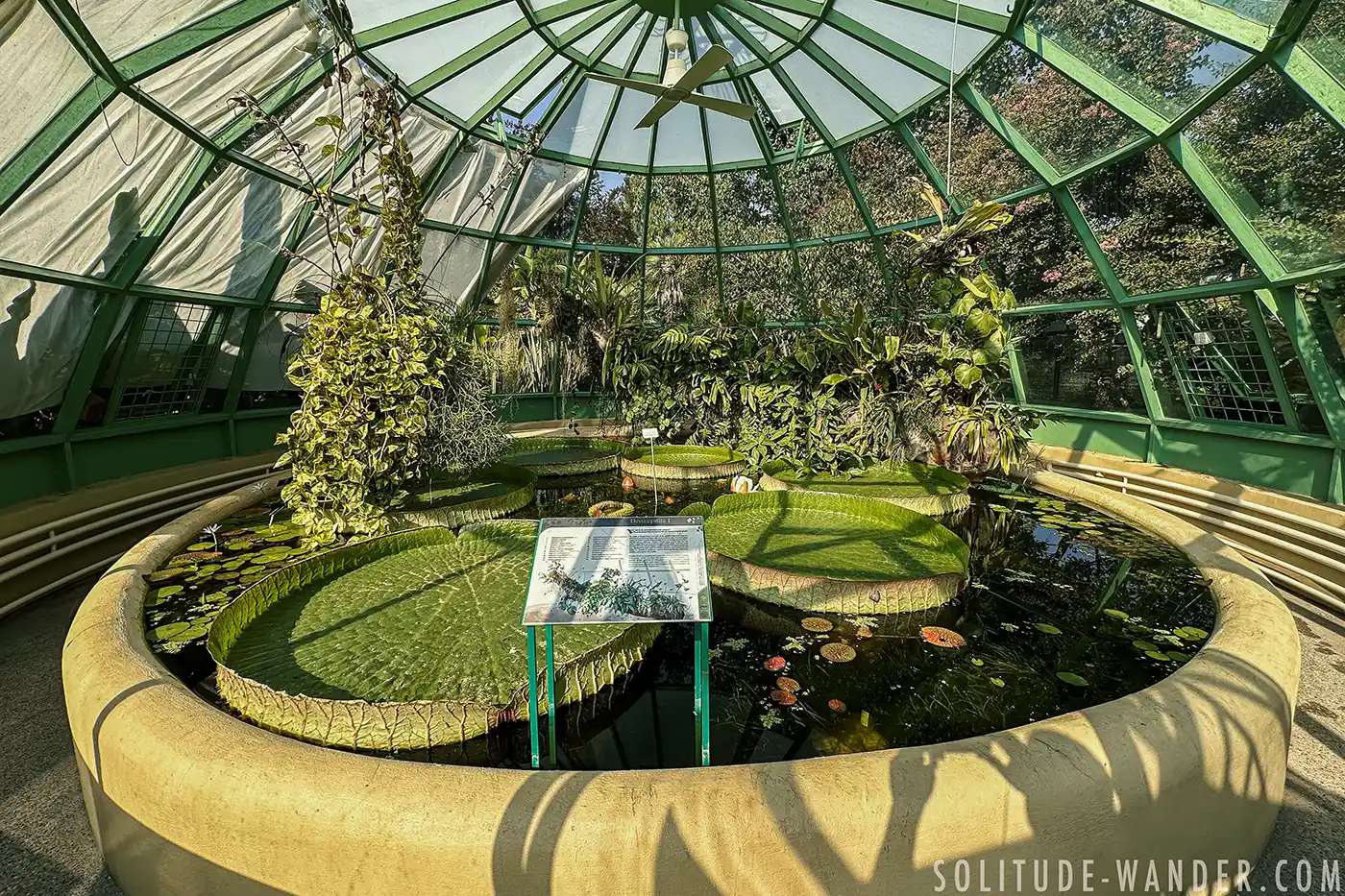
Zagreb’s Hidden Botanical Garden
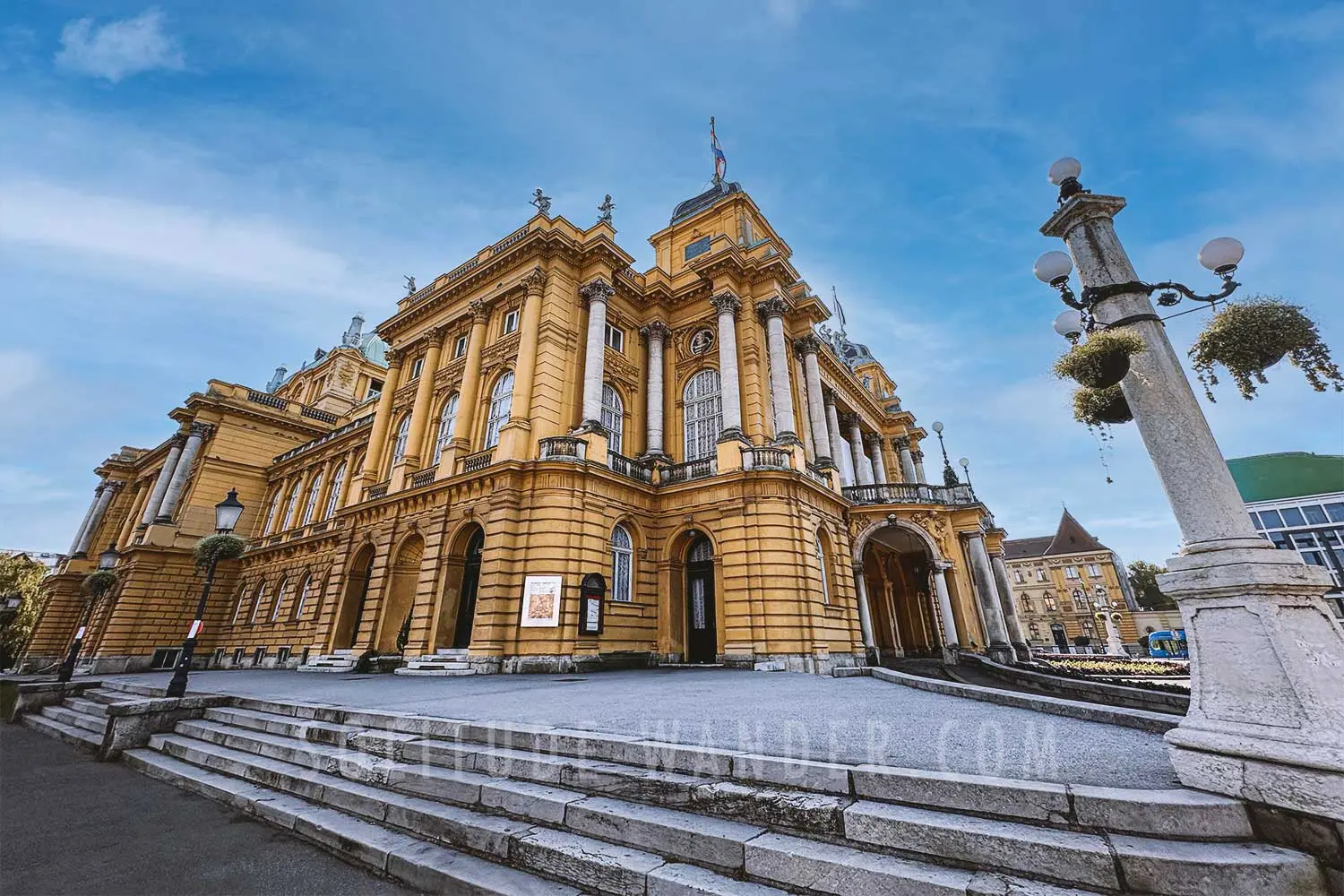
11 Croatian National Theatre (HNK)
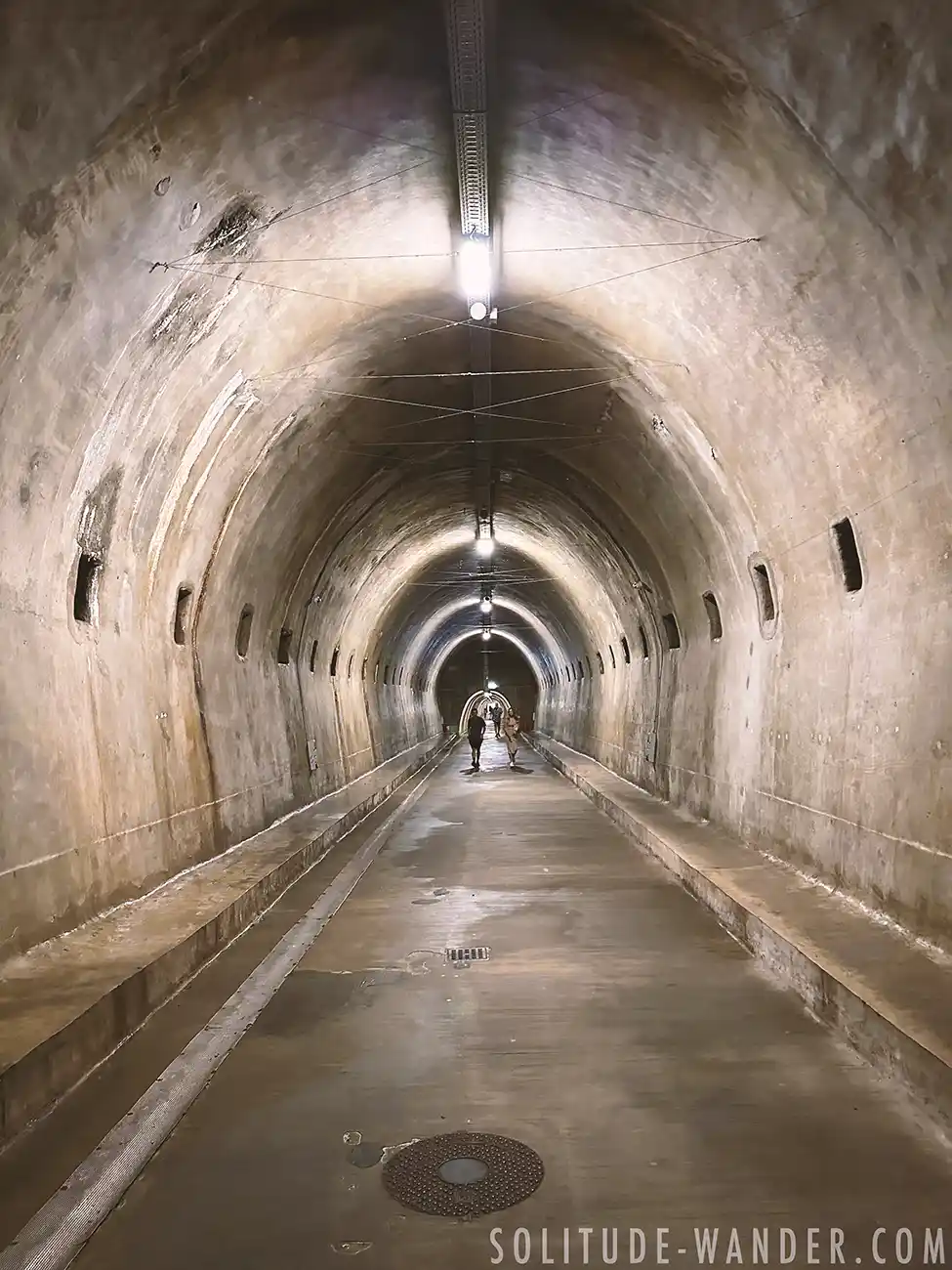
12 Grič Underground Tunnels
Zagreb’s Hidden Side
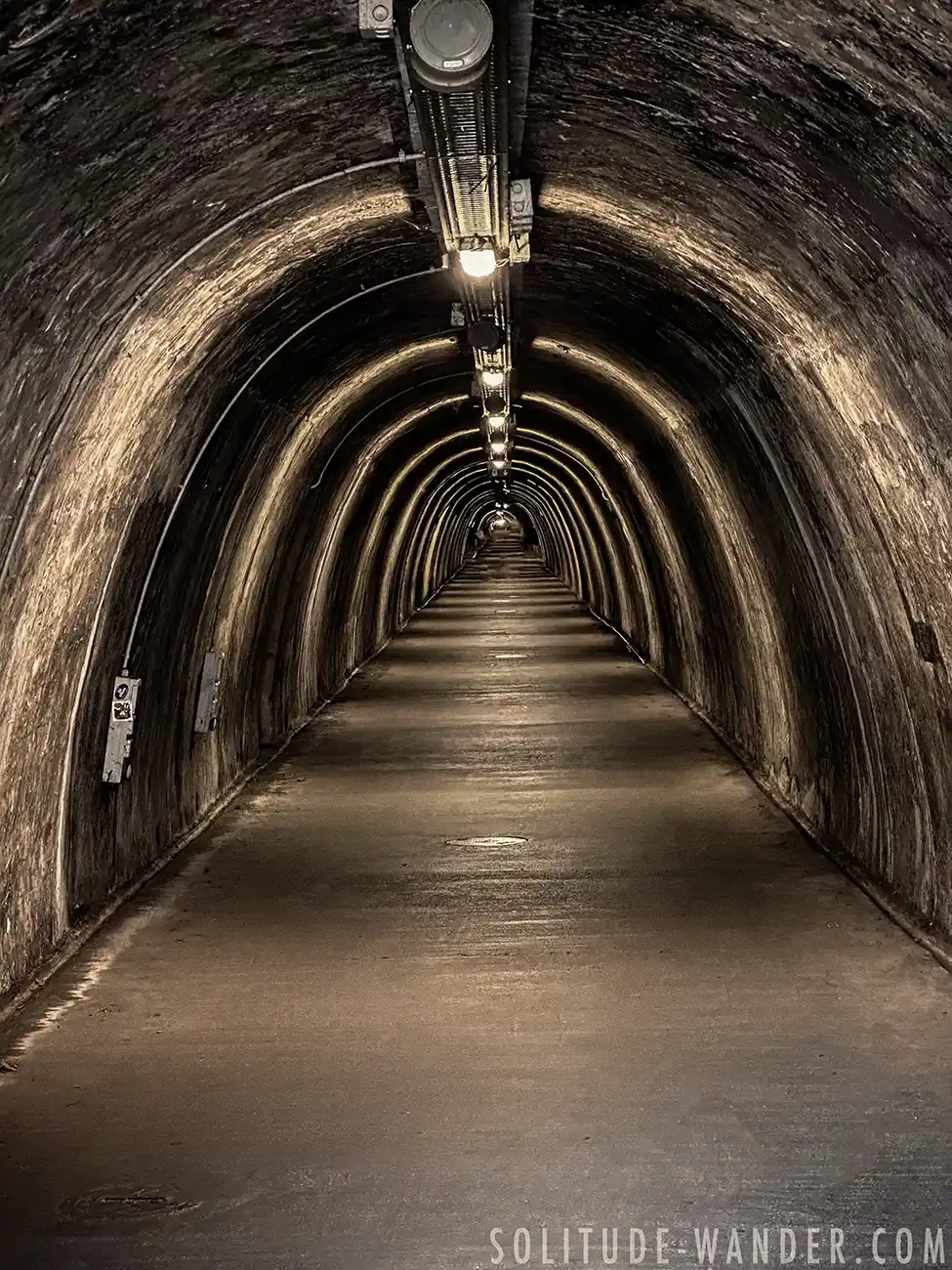
Beneath the streets of Zagreb’s Upper Town lies a fascinating network of tunnels known as the Grič Tunnels. Built during World War II as an air-raid shelter, they remained unused for decades until their public reopening in 2016.
The main tunnel stretches 350 meters, linking Mesnička Street to Radićeva Street, with several side passages leading to secondary exits. Today, besides serving as an alternative pedestrian route, the tunnels host cultural events, exhibitions, and art installations—especially during Advent Zagreb, when they are transformed with magical lights and decorations.
Walking through the Grič Tunnels offers a glimpse into the hidden history of Zagreb, blending underground charm with the memory of a turbulent past. In summer, the tunnels provide a cool retreat, with temperatures dropping by up to 7°C, while in winter, they offer shelter from the cold. An unmissable experience for those drawn to the city’s mystery and history.
13 Medvedgrad Castle
A Medieval Fortress Overlooking Zagreb
Perched atop Medvednica Hill, about 15 km from Zagreb, Medvedgrad Castle is a perfect destination for history and nature lovers. It can be reached by car or via a scenic hike along one of the trails in the Medvednica Nature Park, rewarding visitors with breathtaking views of the city.
Built in the 13th century, the castle has been restored and now houses a small museum exhibition detailing the medieval history of the area. It also serves as a venue for cultural events and provides a tranquil green space for exploration. A visit to Medvedgrad is an ideal getaway, blending historical charm with natural beauty just outside Zagreb.
14 Where to Eat in Zagreb
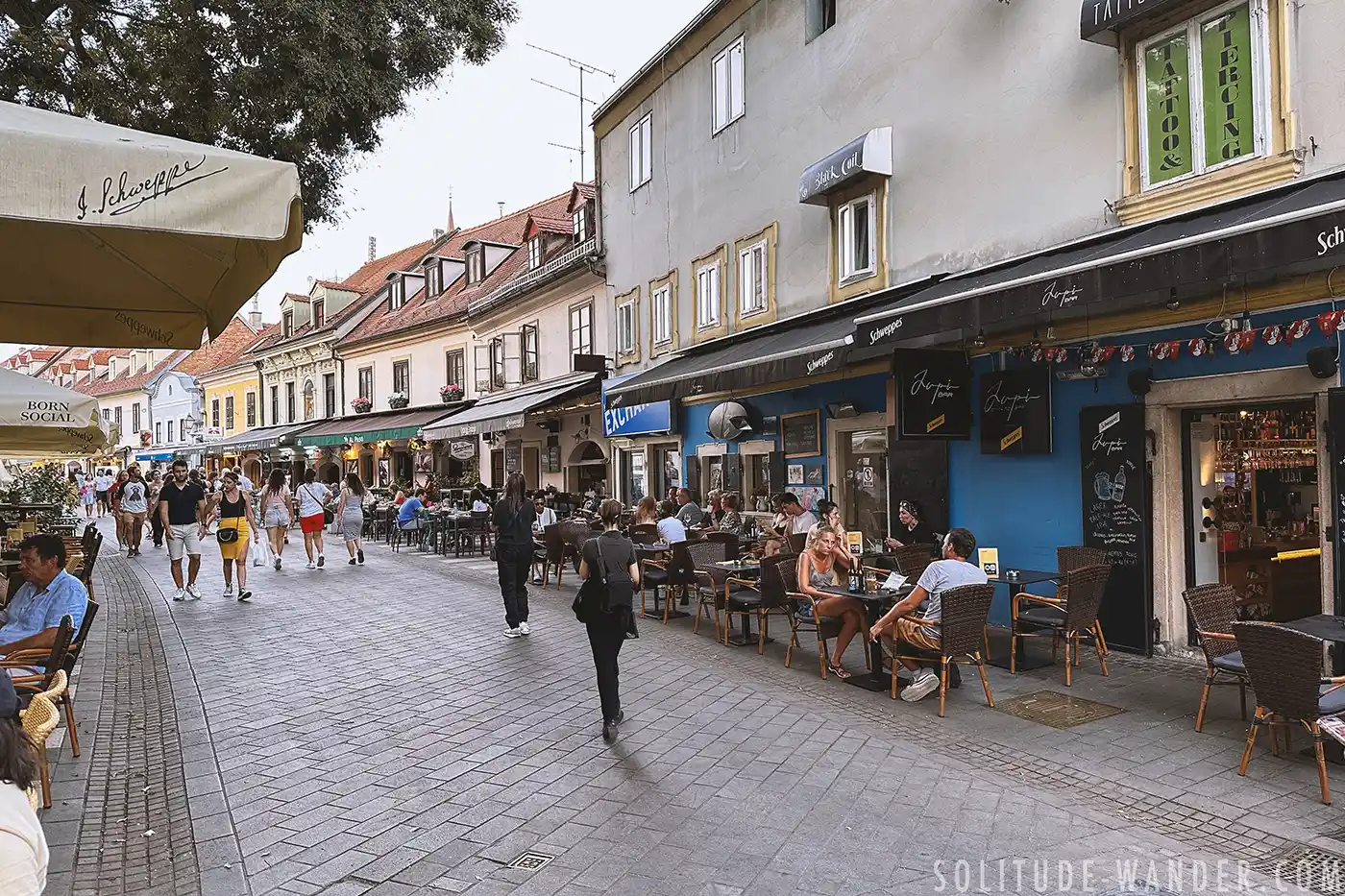
Tkalčićeva Street – A Culinary Hotspot
Tkalčićeva Street is one of Zagreb’s most vibrant and picturesque areas, packed with cafés, restaurants, and trendy bars. This lively street is a favorite among both locals and tourists, offering a fantastic selection of traditional Croatian cuisine as well as international flavors.
Its charming atmosphere, especially during the summer months, makes it an ideal spot to dine outdoors, enjoy a drink, or simply soak in the city's energy. Whether you're looking for a casual lunch, a romantic dinner, or just a place to unwind, Tkalčićeva Street is a must-visit for food lovers exploring Zagreb.
Map Locations
The map includes all locations featured in this guide
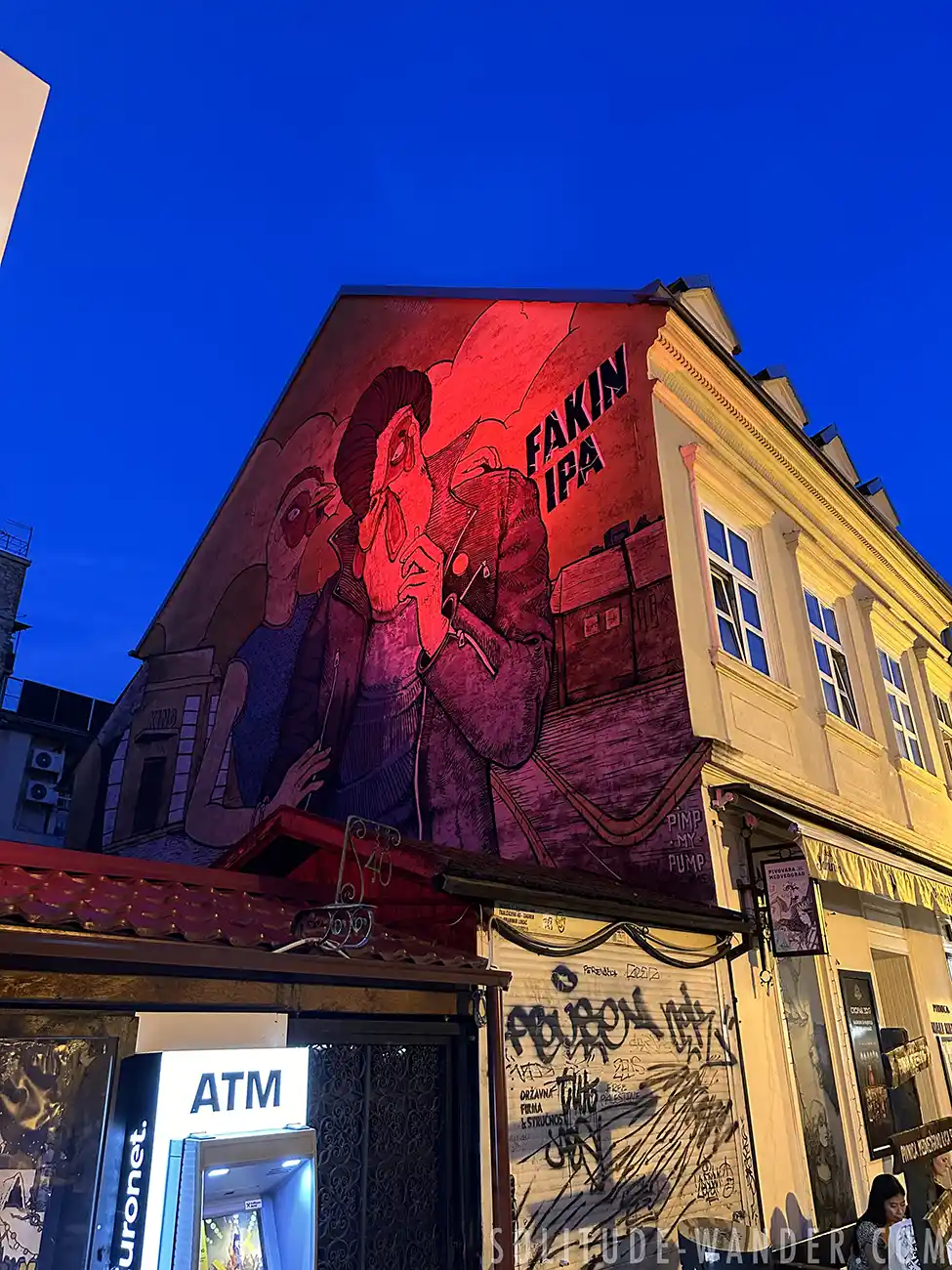
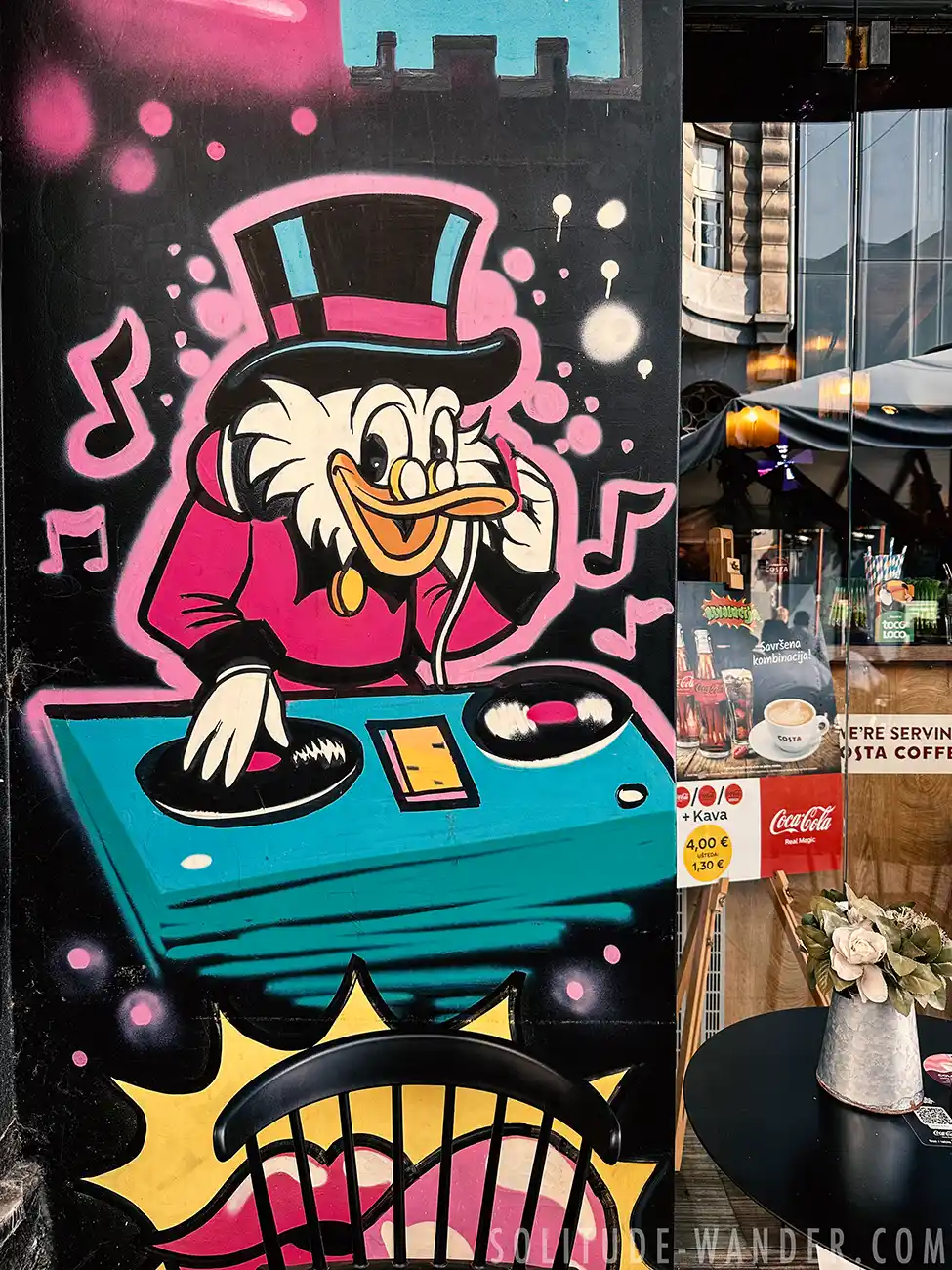
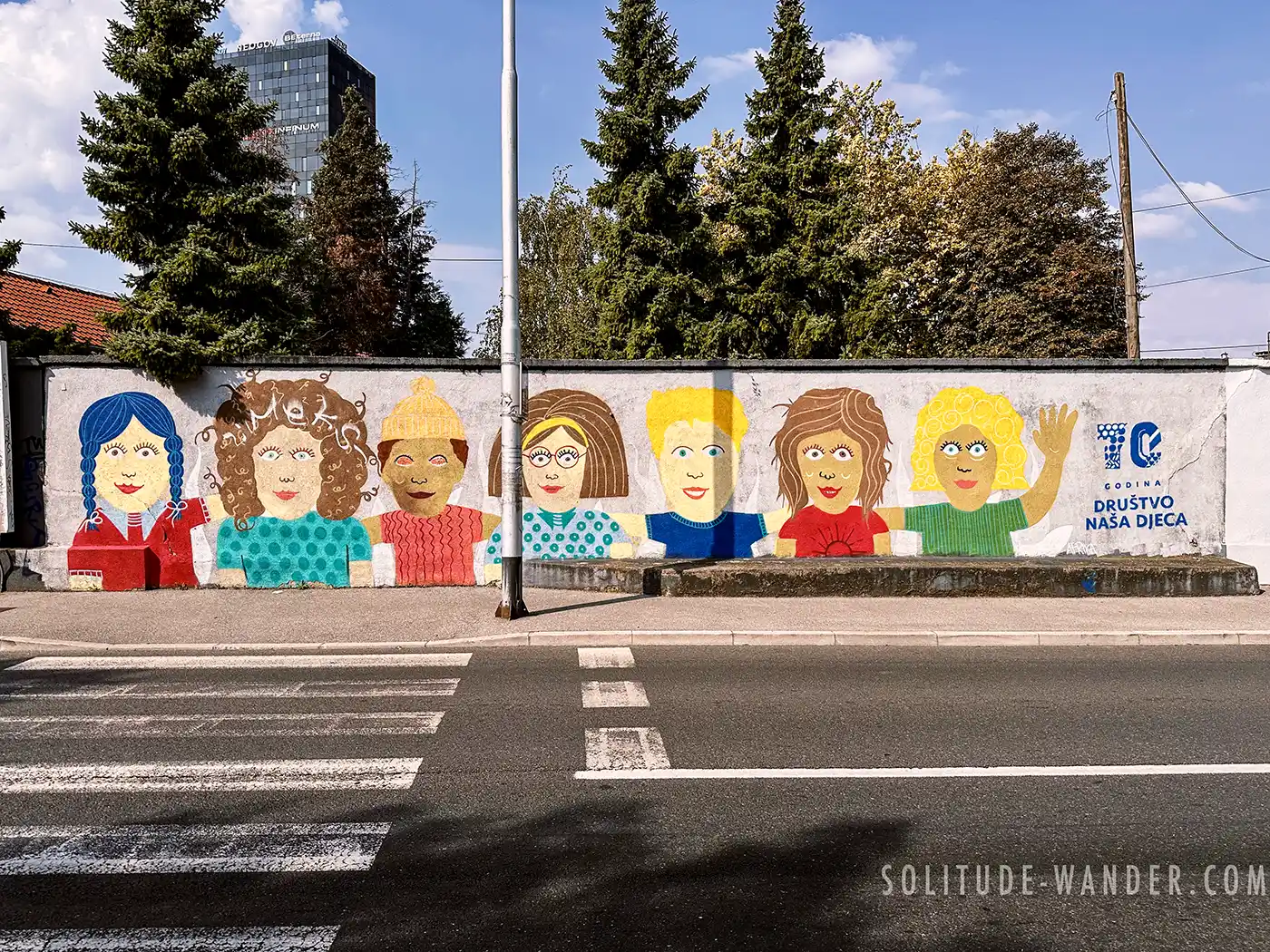
14 My Street art photograph in Zagreb
While strolling through the city, you can admire many street art masterpieces, including the famous Anamorphic Whale by Étienne Hem. This impressive artwork, located in Zagreb’s urban landscape, showcases the city's vibrant art scene and creativity.