
Budva & Kotor Travel Guide
Montenegro
LAST UPDATE: AUGUST 2024
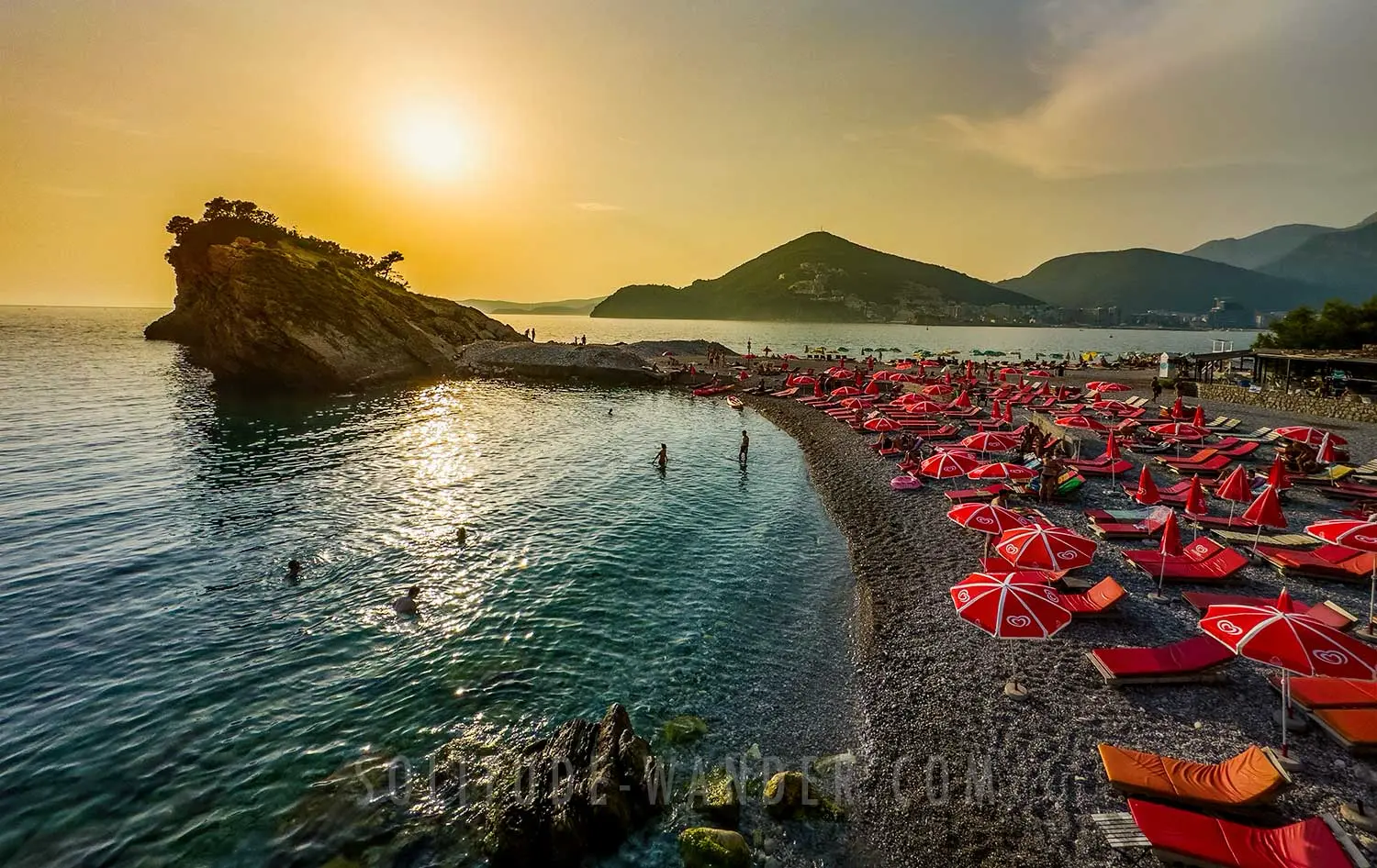
Montenegro is a small hidden gem in the Balkans, offering a perfect blend of mountains, beaches, and historic towns. If you’re a nature lover, you can explore its breathtaking mountain landscapes, such as Durmitor National Park, home to crystal-clear lakes and deep canyons.
If the sea is more your style, the Adriatic coast boasts stunning beaches, like those in Budva and Ulcinj. And for city enthusiasts, you can’t miss the vibrant capital of Podgorica or the historic town of Kotor, with its beautifully preserved medieval center.
In this guide, we’ll dive deeper into the highlights of Budva and the fjord-like Bay of Kotor, renowned for its stunning medieval architecture.
Montenegro has seen a surge in tourist appeal, initially due to its competitive prices, high-quality services, and safety. While it’s no longer as inexpensive as it once was, the country continues to attract visitors with its unique charm.
This guide will explore Montenegro’s evolving tourism scene by analyzing its beaches, tourist flows, quality of life, environmental challenges, and the level of services provided.
Table of Contents
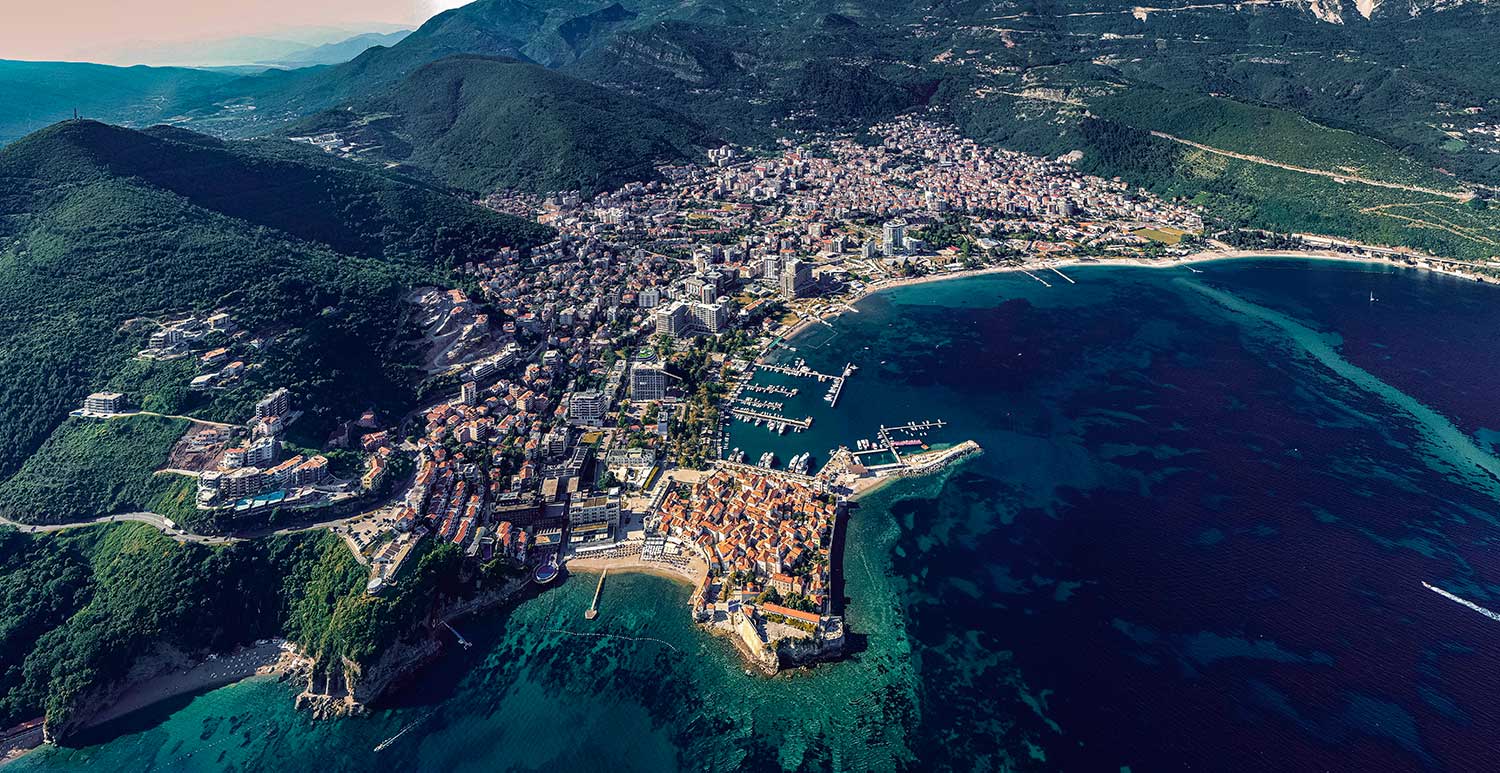
Image courtesy of Alexander Nadrilyanski/Pixels
About Budva
The Pearl of Montenegro
Budva, nestled along the Adriatic Sea and surrounded by Montenegro's mountains, enchants visitors with its unique duality. On one side, the Old Town a medieval gem enclosed by Venetian walls features cobblestone streets, quaint squares, and ancient churches, telling a history that spans over 2,500 years. On the other, modern Budva boasts a lively promenade lined with trendy bars, restaurants, and nightlife, reflecting the city’s contemporary, dynamic spirit.
The Old Town is a maze of charm, where every corner reveals a piece of history, while the modern part stretches upward from the coast, climbing the slopes of nearby mountains. This vertical development, though picturesque, can make daily beach access somewhat challenging, as it requires long stair climbs an important consideration for those planning frequent trips to and from the seaside during their stay.
Budva also serves as an ideal base to explore nearby attractions, such as Sveti Nikola Island, with its pristine beaches and crystal-clear waters, or the nearby Sveti Stefan, easily reachable by bus. Sveti Stefan is a true gem: once a fishing village, now a luxury resort perched on an island connected to the mainland by a narrow sand isthmus. Its pink-hued beaches, exclusive hotel charm, and the lush Miločer Park home to the famed Queen’s Beach—make this spot an unforgettable experience.
Returning to Budva for the second time, I am pleased to see improvements in the quality of services, a sign of growing attention to visitors. However, I cannot ignore the changes taking place: increased construction and a surge in tourists during peak season often overwhelm the small beaches, slightly diminishing the magic of this otherwise enchanting destination.
Despite these challenges, Budva remains a must visit location, capable of captivating anyone with its perfect mix of history, natural beauty, and vibrant energy.
How to Get to Budva
By Plane
The closest airports to Budva are:
- Tivat (TIV)
- Podgorica (TGD)
Transportation from the airport to Budva:
- Car Rental
The most convenient option for exploring the area independently.- Average cost: €40-80 per day for economy or mid-range cars (e.g., Fiat Panda, Opel Corsa, or similar).
- For larger or luxury cars, prices can go up to €100-150 per day or more.
- Taxi
A faster but more expensive alternative, especially from major airports.- Estimated fares: €50-60 from Podgorica Airport to Budva.
- Tip: Book in advance using apps like Uber to save some money compared to traditional taxis.
- Bus
Regular and affordable connections to Budva from both airports.- Suggestion: During the high season, book your ticket 1-2 days in advance as seats are limited.
- Book online: Official site for tickets.
Is a car necessary for a vacation in Budva?
For those visiting this Montenegrin destination for the first time, a car is not essential. The city center is very compact and the main beaches, restaurants, and services are conveniently accessible on foot. Additionally, many of the most popular tourist attractions are accessible via sea through organized boat tours.
However, if you wish to visit fascinating places like Cetinje or the splendid beaches of Ulcinj, having your own vehicle will provide greater flexibility and the opportunity to discover less touristy beaches and hidden corners of Montenegro.
What to Do and See
Tips for an Unforgettable Vacation

Mogren Beach Budua
1 The Beaches of Budva
From Budva’s city center, you can easily walk to the main city beaches, which stretch along a coastline of approximately 13.5 km. For nearby beaches, if you haven’t rented a car, you can rely on frequent and convenient public buses.
Path to Mogren beach
My recommendations:
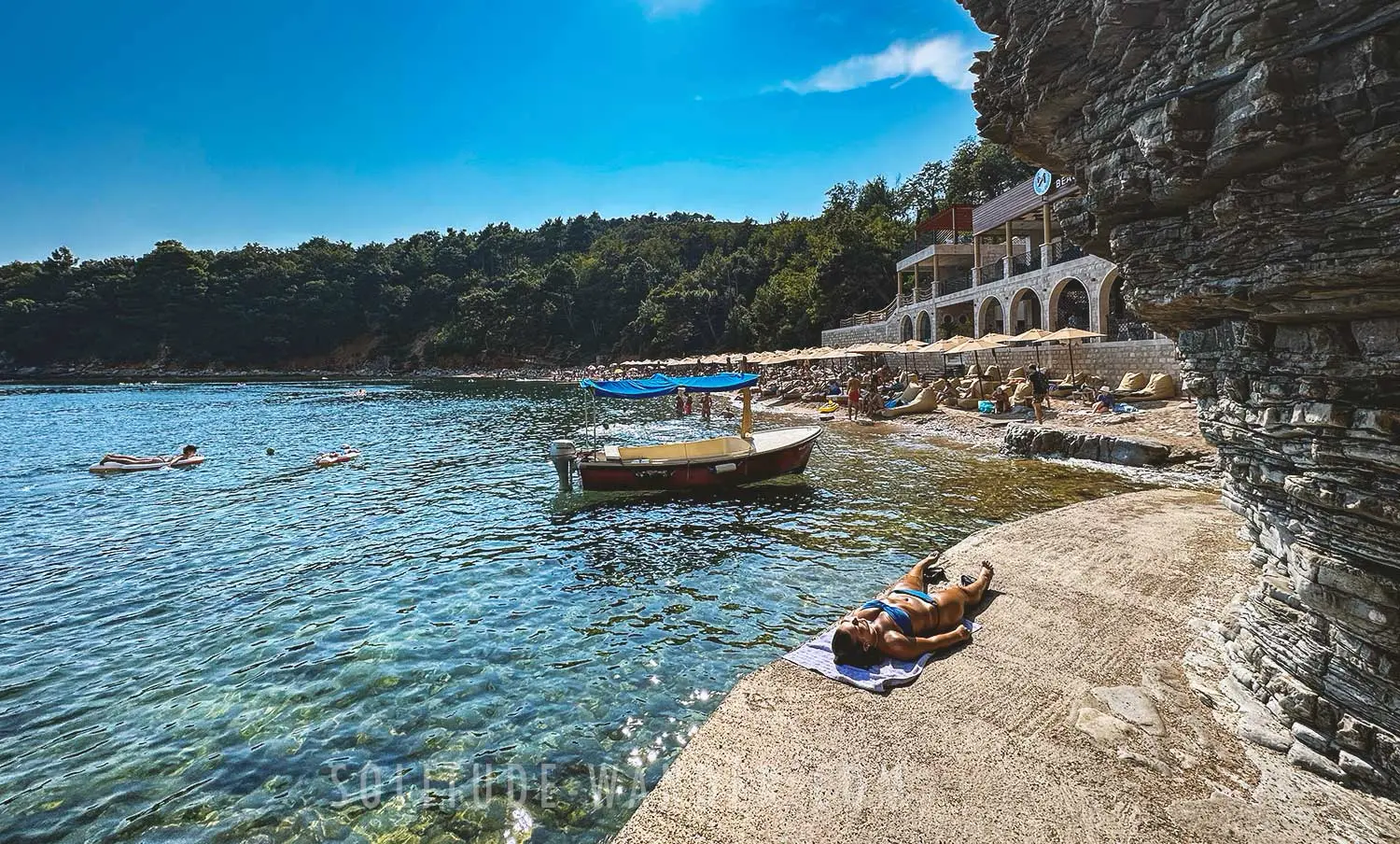
- Mogren: One of the most famous beaches, Mogren is easily accessible on foot from the Old Town. It features a mix of fine sand, cliffs, and crystal-clear waters.
- Jaz: Spacious and sandy, Jaz is Budva’s longest beach and one of the most popular among young visitors. It’s known for its lively beach bars and vibrant atmosphere.
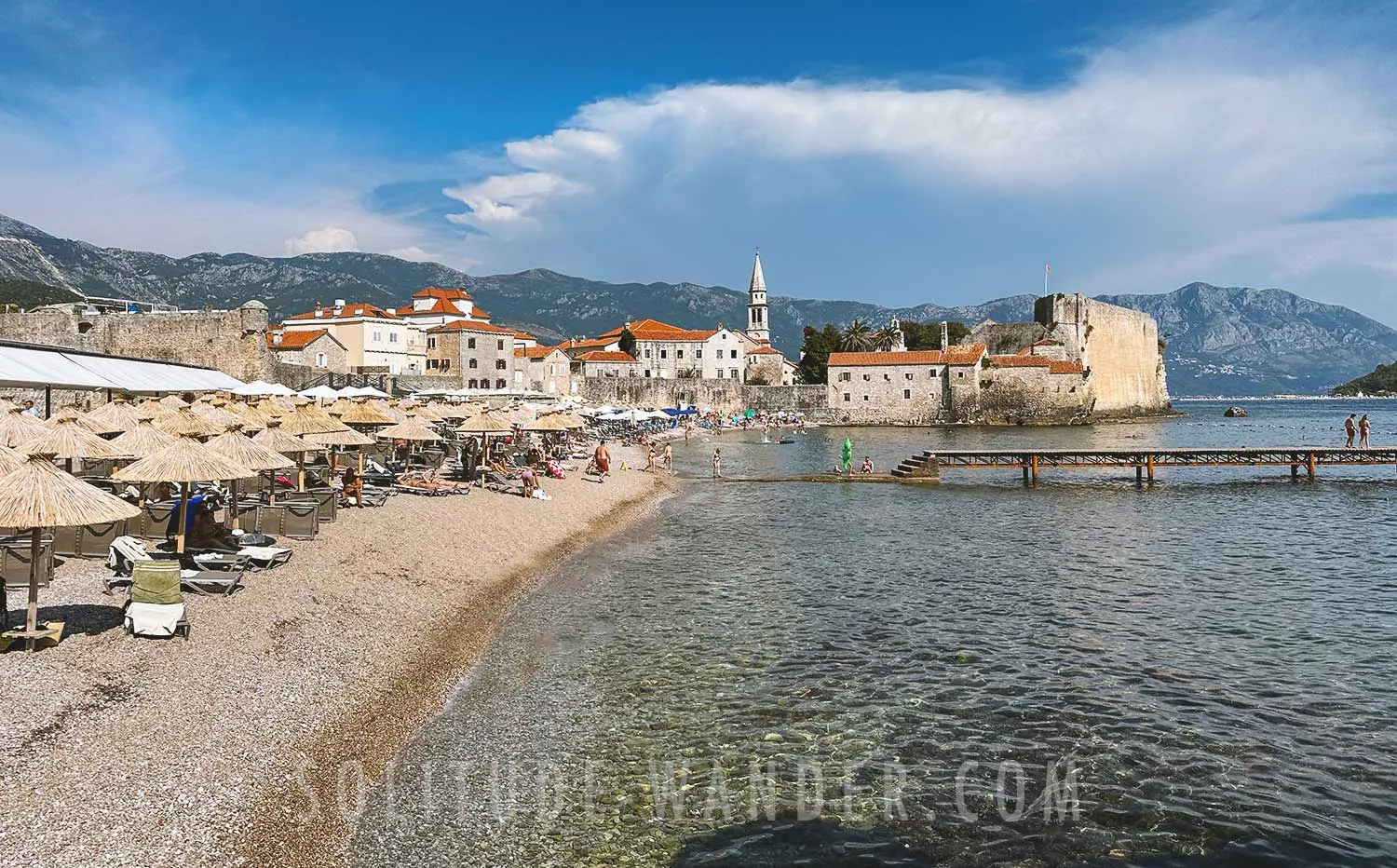
- Slovenska Plaža: Located right in front of the Old Town, Slovenska Plaža is a bustling urban beach, perfect for those seeking convenience and services. There’s often background music, but it’s tasteful and enjoyable.
Sveti Stefan hotel beach
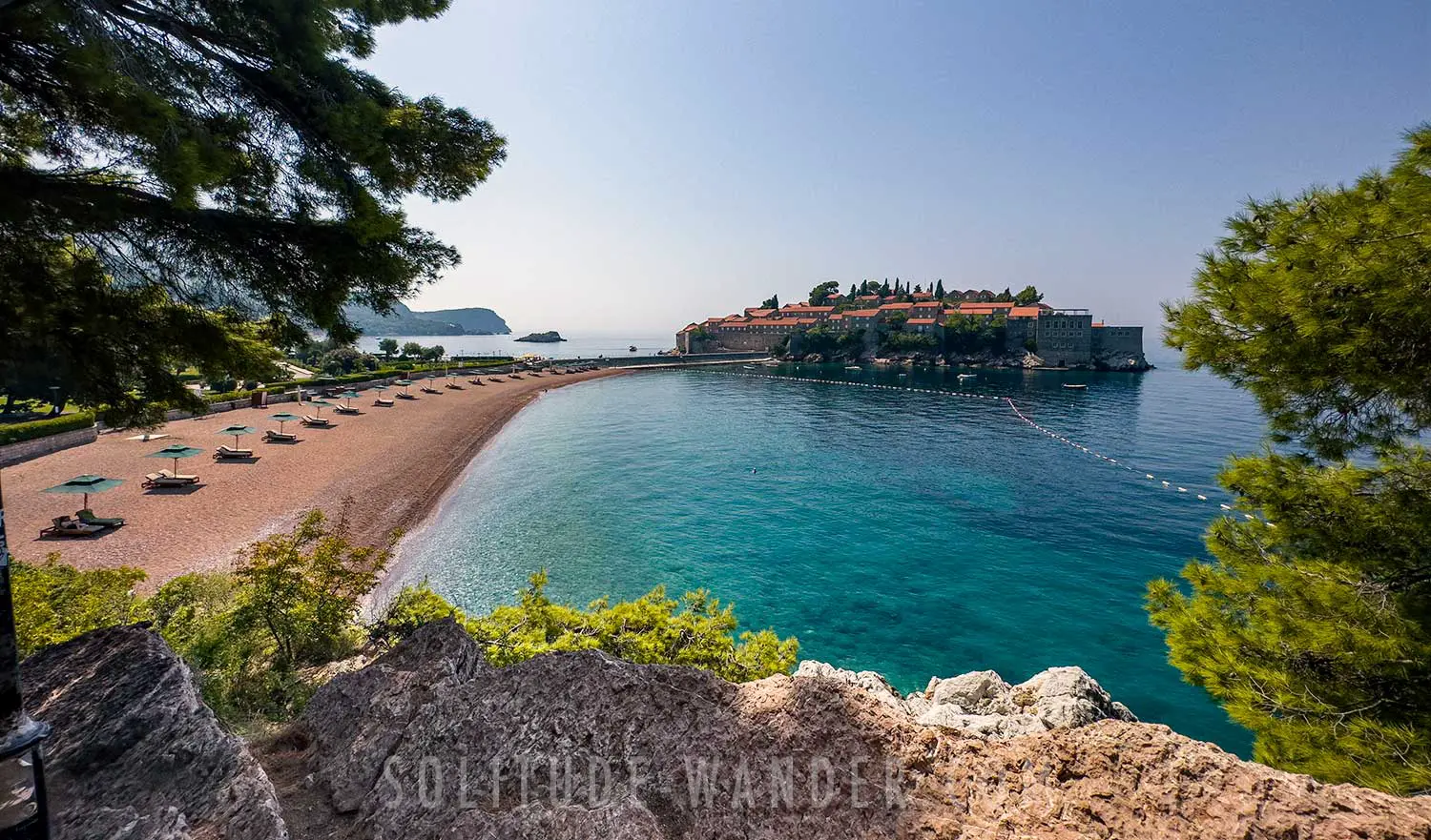
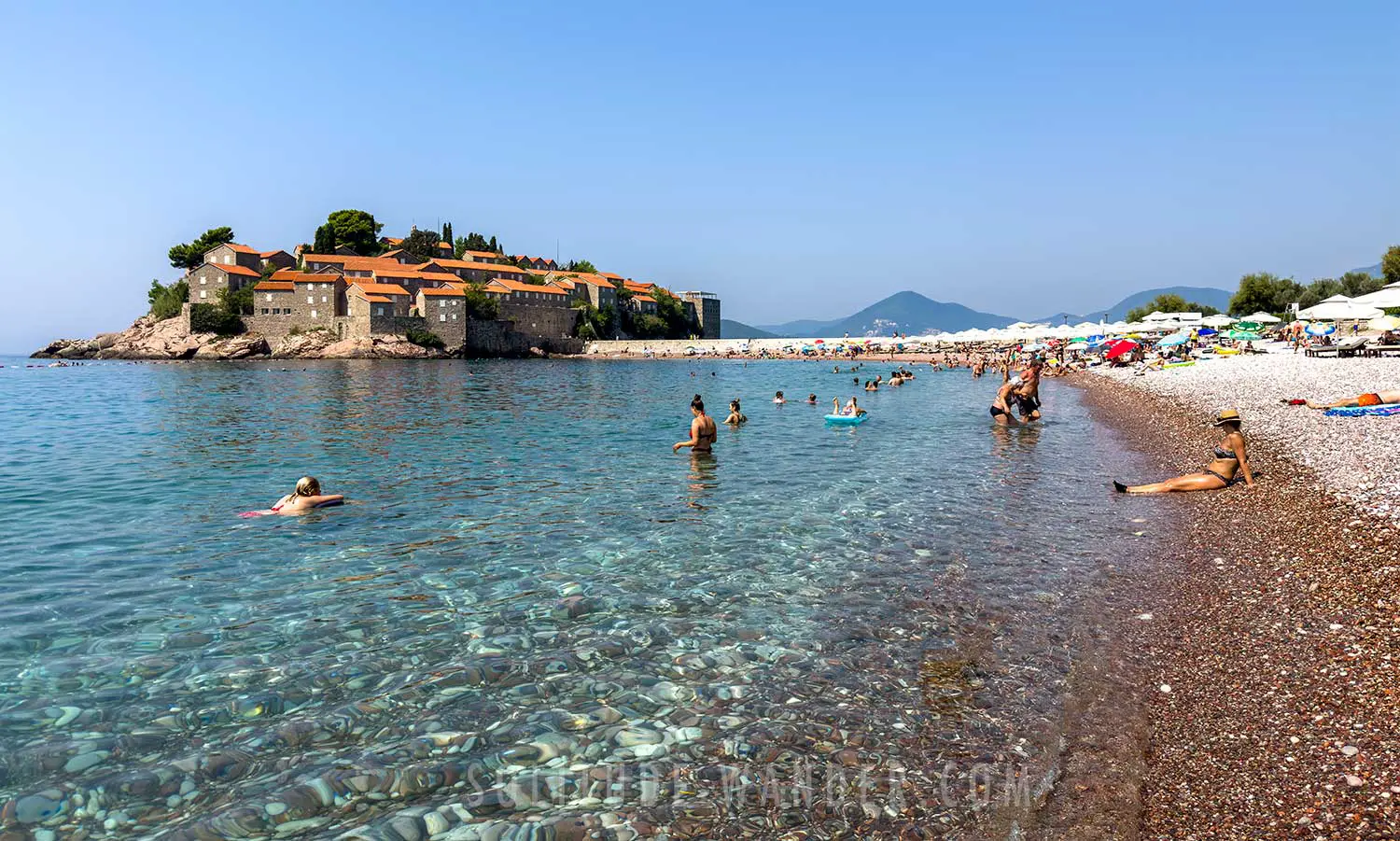
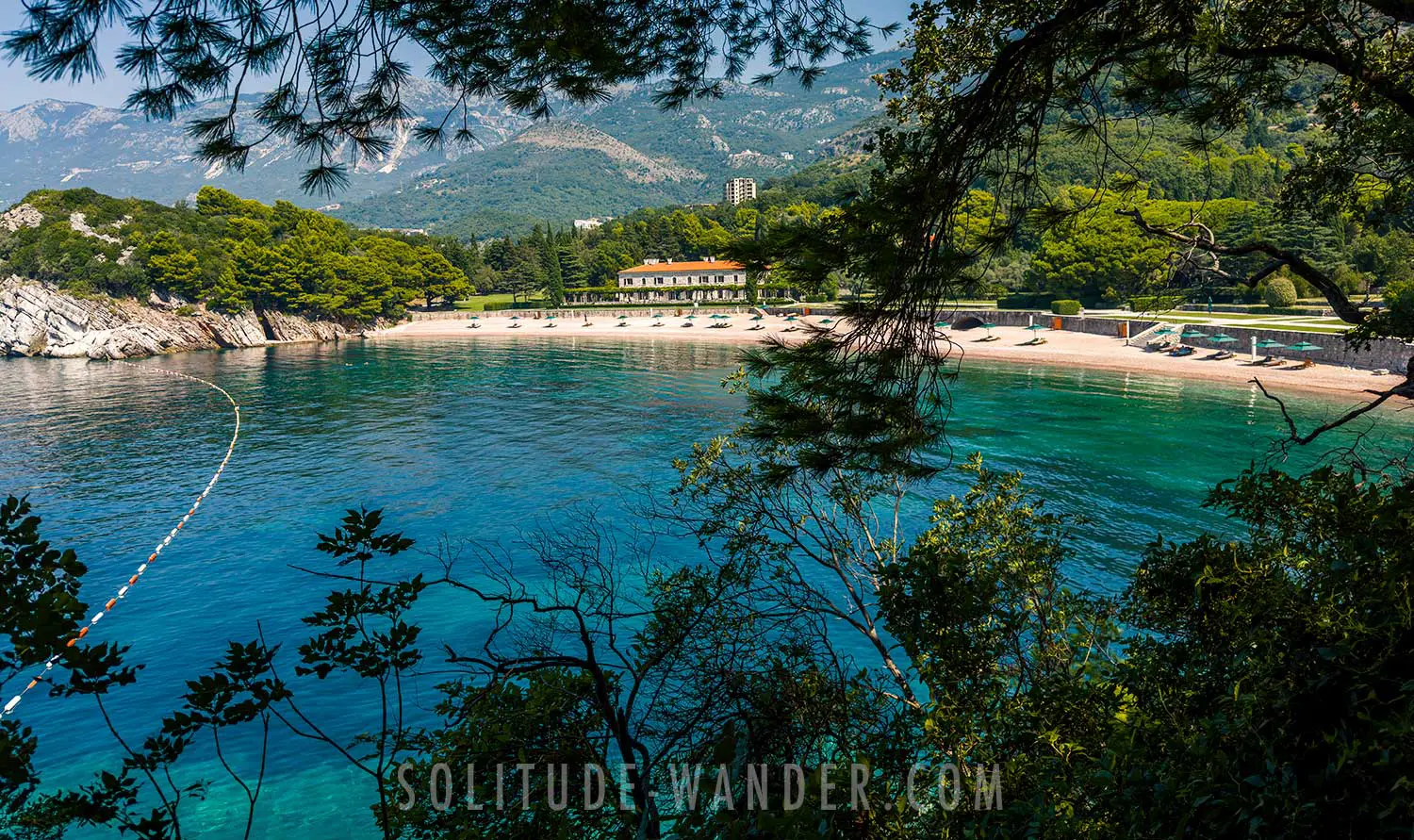
- Sveti Stefan: This iconic beach features a hotel island connected to the mainland by a narrow isthmus. Sveti Stefan is one of Montenegro’s most famous beaches, renowned worldwide for its unique beauty and fascinating history. From here, you can easily reach Miločer Park, a green oasis with shaded trails, lush gardens, and a private beach that was once reserved for the Serbian royal family, and the 600-year-old Praskvica Monastery that overlooks the village, perfect location to admire the sunset.
Sveti Stefan - Public side of the beach
The beach of Sveti Stefan is divided into two parts: one reserved for hotel guests, offering an exclusive atmosphere and high-end services, and another part open to the public, where you can rent sunbeds and umbrellas while enjoying the breathtaking view.
Quieter Beaches:
- Kamenovo: A smaller, more secluded beach accessible on foot or by boat. Ideal for those looking for peace and tranquility.
- Lučice: Another hidden gem surrounded by cliffs and pine forests. Perfect for relaxing and enjoying nature.
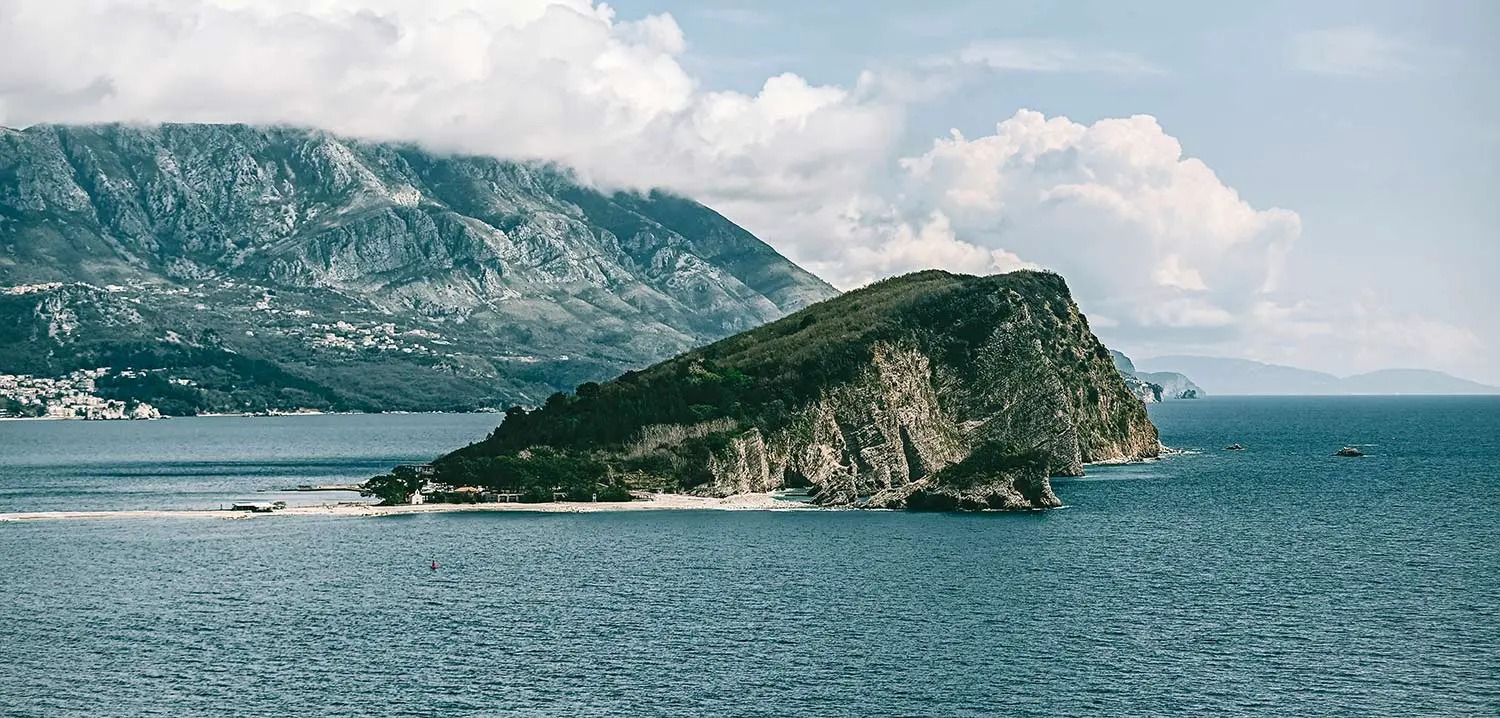
Image courtesy of Alexander Nadrilyanski/Pixels
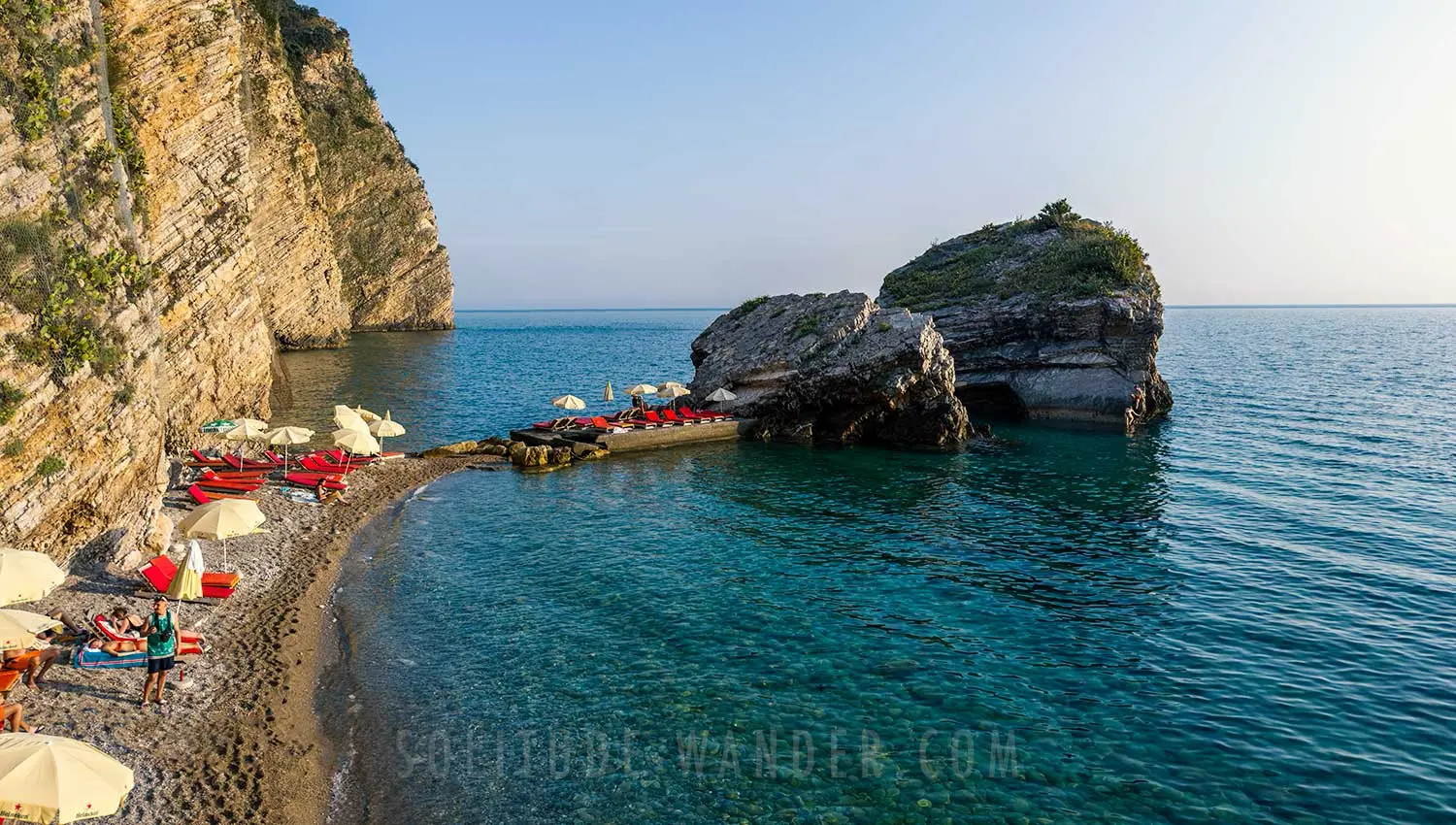
2 Sveti Nikola Island
Also known as "Hawaii," is an island you must visit if you're in Budva. You can reach it in a few minutes by ferry from the port, with regular trips throughout the day. The last return ferry departs about half an hour before sunset, so plan accordingly to make the most of your time.
Once on the island, you can relax on the beaches, go snorkeling, or simply explore. There are also a couple of bars where you can grab something to drink or eat. Don't miss the chance to experience an unforgettable day in this little corner of paradise.
Important note: Beaches in Budva are generally small and fragmented, so they tend to fill up quickly during the high season. Each beach offers a free area and a section equipped with sunbeds. To secure a good spot, it’s best to arrive early in the morning.
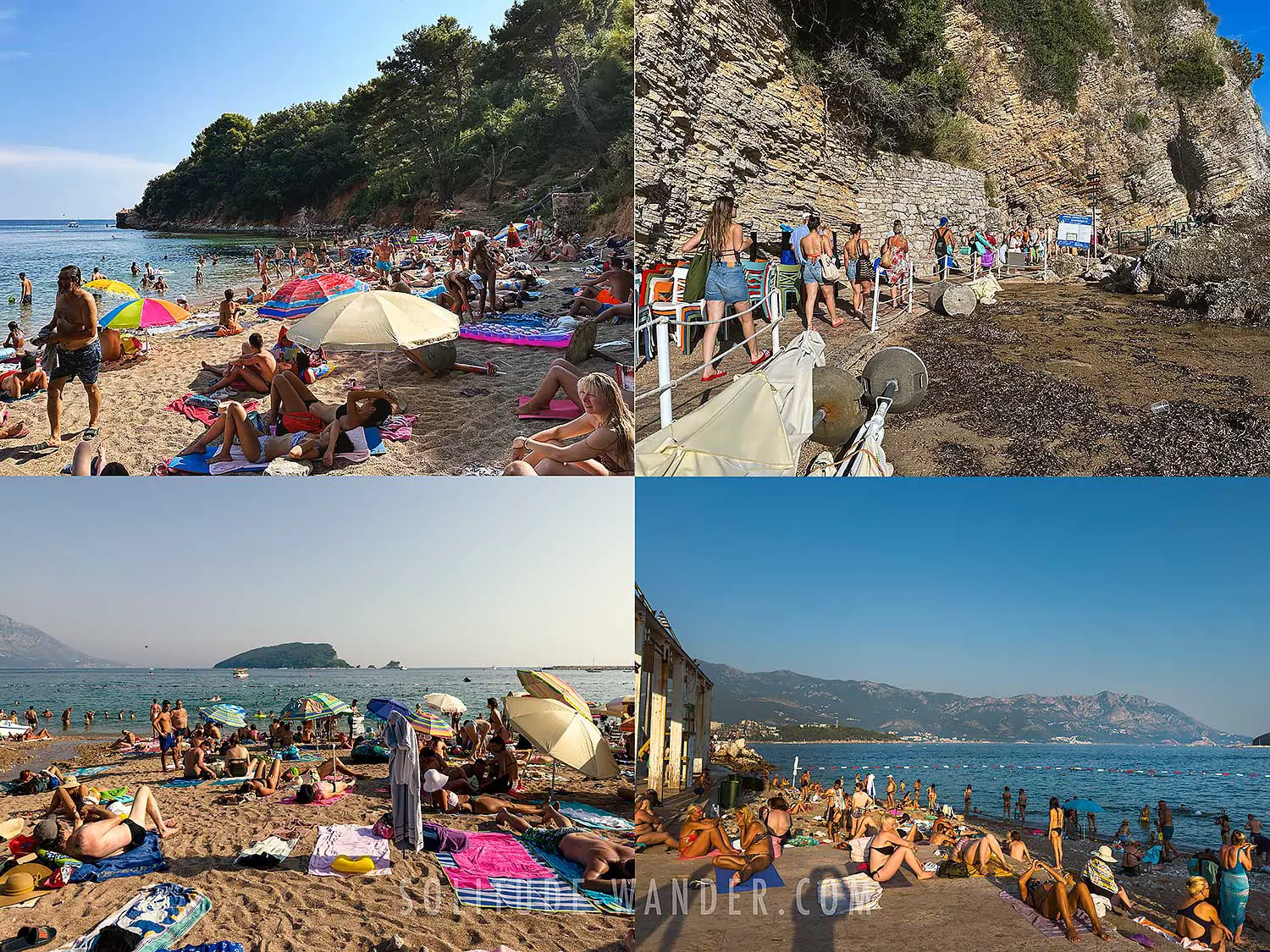
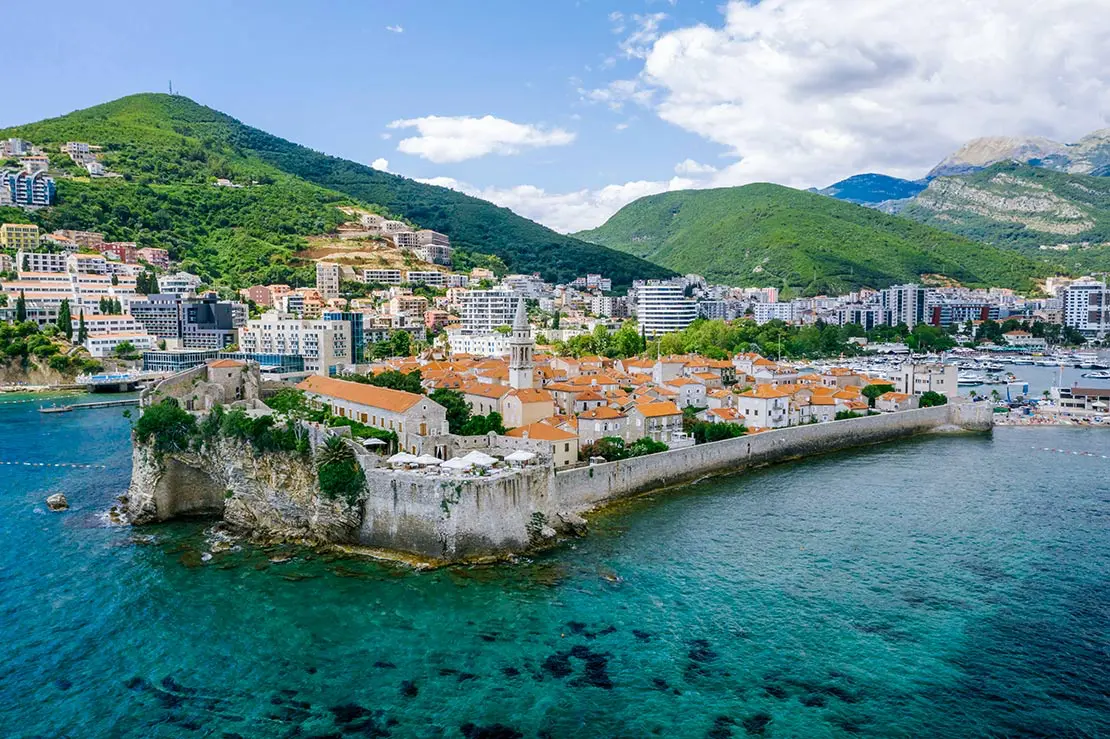
Image courtesy of Mikhail Nilov/Pexels
3 The Old Town
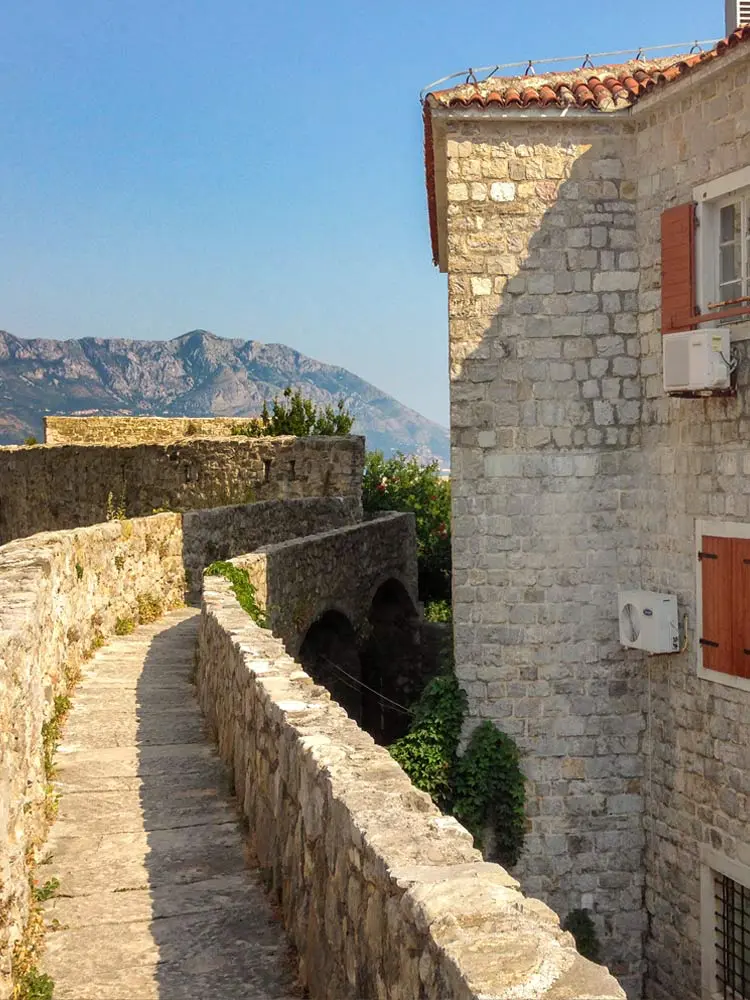
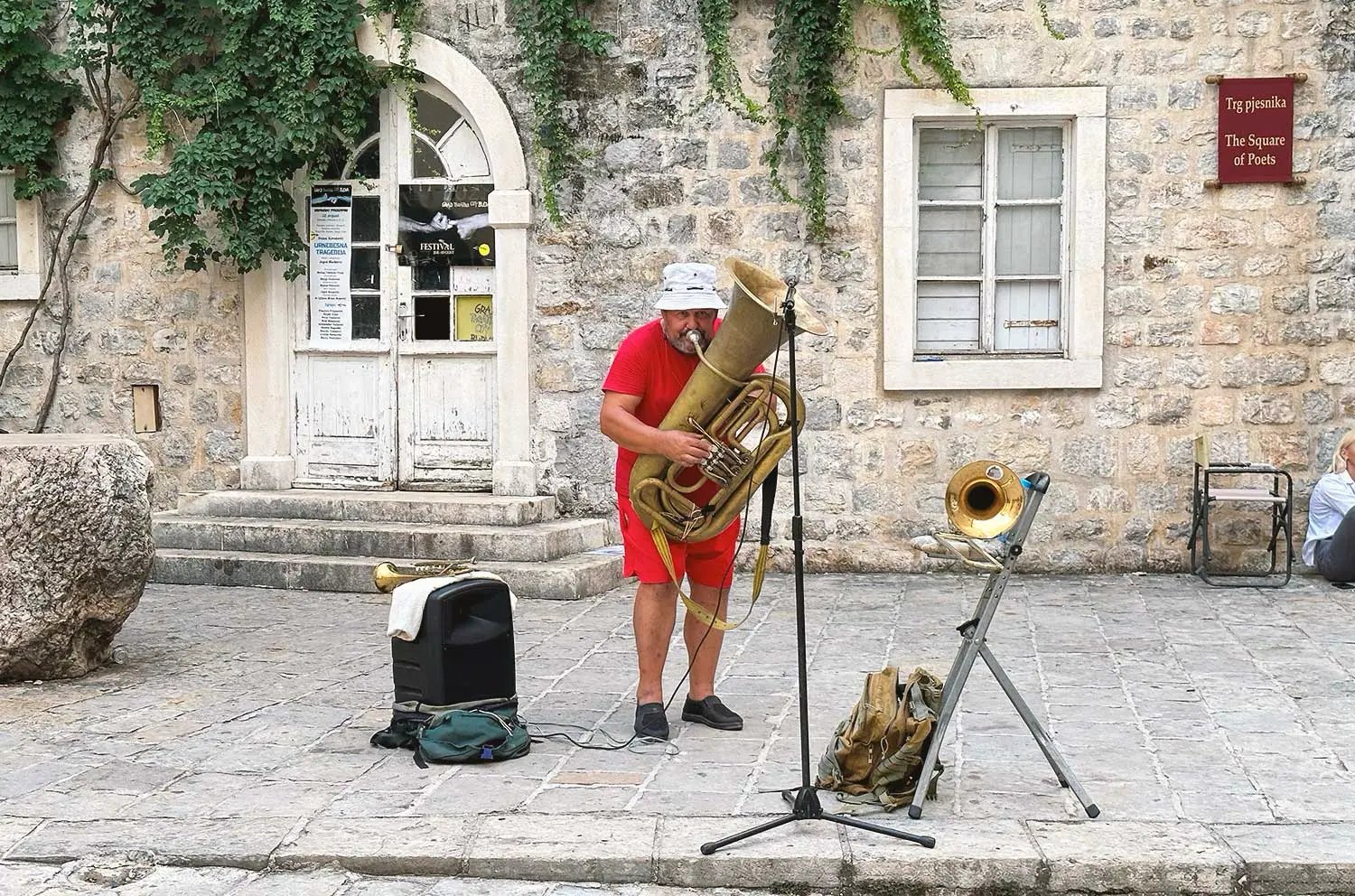
The historic center of Budva is a magical place, a maze of cobblestone alleys, stone buildings, and hidden squares. Strolling through its streets, you’ll feel like you’ve traveled back in time. Don’t miss the Citadel, the ancient fortress overlooking the old town. Climbing to the top, you can also walk along the city walls that wind all around. They are accessible on foot, and part of them is literally in the sea – a truly unique sight.
The area is rich with restaurants and cafés featuring terraces where you can enjoy views of the sea and the old town. You'll also find traditional taverns serving typical Montenegrin dishes.
Old Town
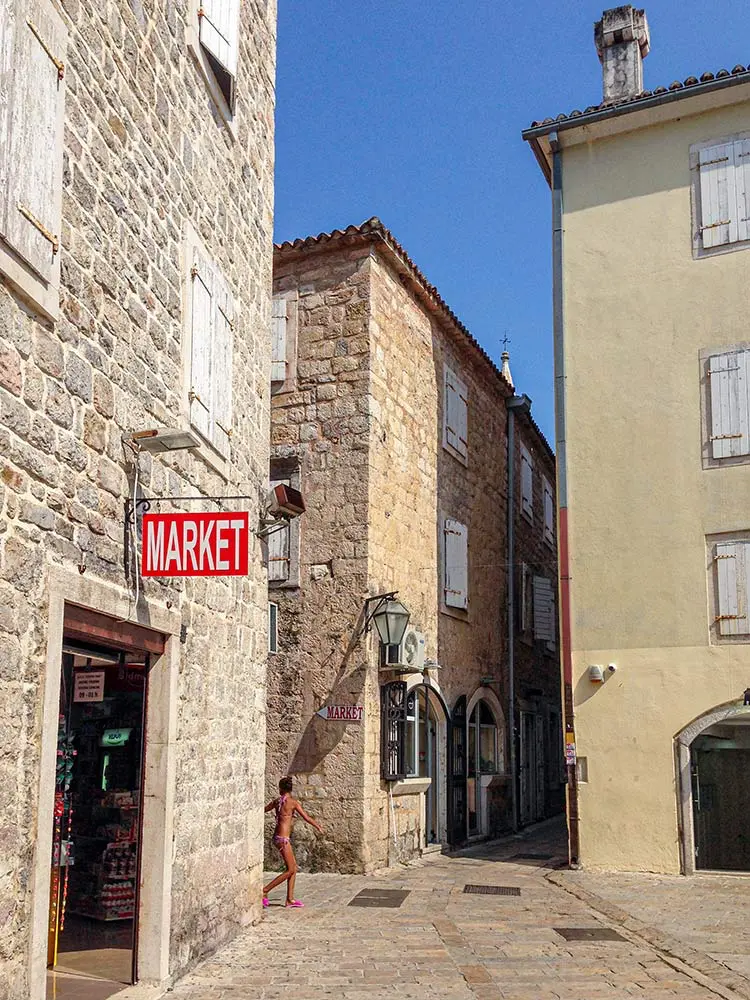
The historic center of Budva is a magical place, a maze of cobblestone alleys, stone buildings, and hidden squares. Strolling through its streets, you’ll feel like you’ve traveled back in time. Don’t miss the Citadel, the ancient fortress overlooking the old town. Climbing to the top, you can also walk along the city walls that wind all around. They are accessible on foot, and part of them is literally in the sea – a truly unique sight.
The area is rich with restaurants and cafés featuring terraces where you can enjoy views of the sea and the old town. You'll also find traditional taverns serving typical Montenegrin dishes.
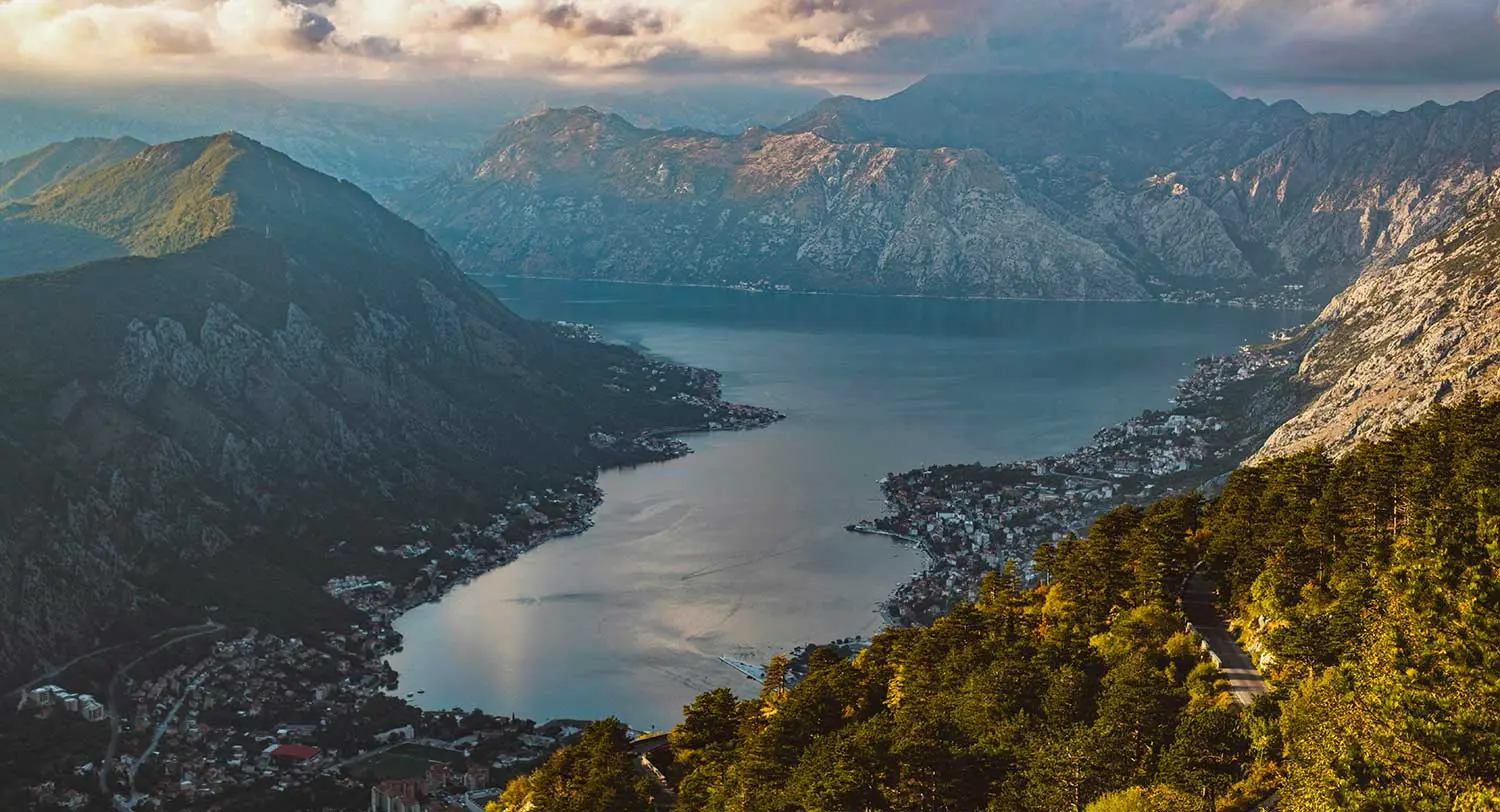
Image courtesy of Roman-Odintsov/Pexels
4 Boat Trip to Kotor bay
Entering Kotor Bay by ferry, one is immediately enveloped in a landscape of extraordinary beauty. The crystal-clear, deep waters of the bay extend like a fjord, while Montenegro's steep and majestic mountains rise abruptly from the shores, creating a dramatic contrast that takes your breath away.
To reach the Bay of Kotor from Budva, a boat tour is highly recommended, as it allows you to visit more places that would be too complicated to reach by car or bus. Typically, the classic stops follow this itinerary:
- Early morning departure to the Blue Cave – The Most Instagrammable Swim in Montenegro. Here, you can swim in waters that, thanks to a natural play of light, take on an electric blue color. The captain stops the boat for about 30 minutes, giving you a chance to dive into this unique setting. Pro tip: bring a waterproof camera—the photos here are spectacular!
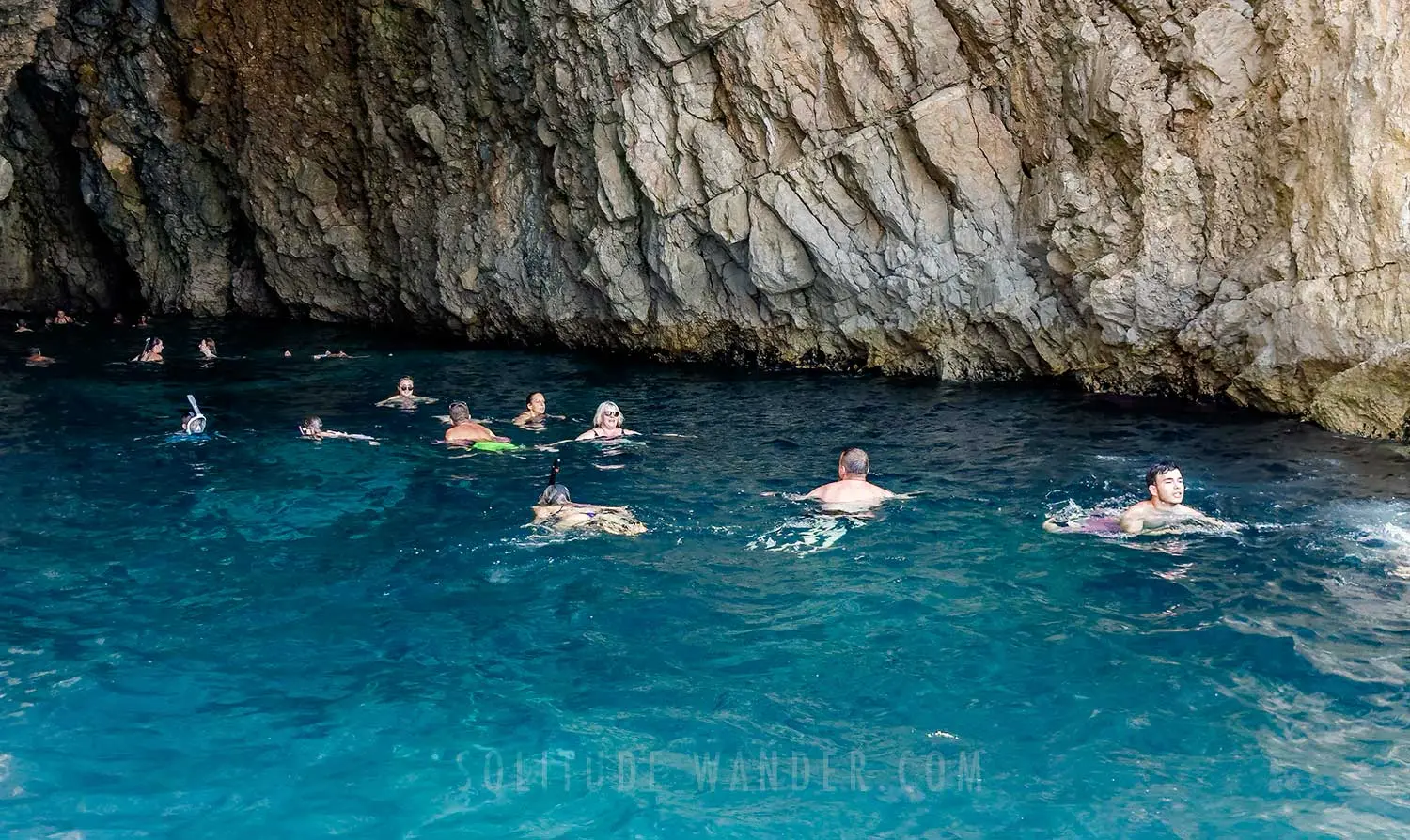
Entrance of the Blu Cave
- Mamula Fortress – A Piece of History from the Sea. While sailing, you'll pass by Mamula Fortress. Built in 1853, it served as both a defensive stronghold and a prison during the World Wars. Today, it has been transformed into a luxury resort, but the view from the outside remains impressive. The boat will circle it completely, allowing you to take photos.
- Herceg Novi (Castelnuovo): A perfect spot for lunch and a stroll. The harbor is full of restaurants with tourist-friendly prices. Tip: try the local fish and don’t miss having a Turkish coffee at one of the seaside bars.Don’t miss Forte Mare (Sea Fortress): This majestic fortress overlooks Herceg Novi. Built in the 14th century and expanded by the Venetians, it stands 85 meters above sea level. From its strategic position, it offers breathtaking views of the Bay of Kotor and the entrance to the Boka Kotorska. Fun fact: today, its upper terrace hosts an enchanting open-air cinema.
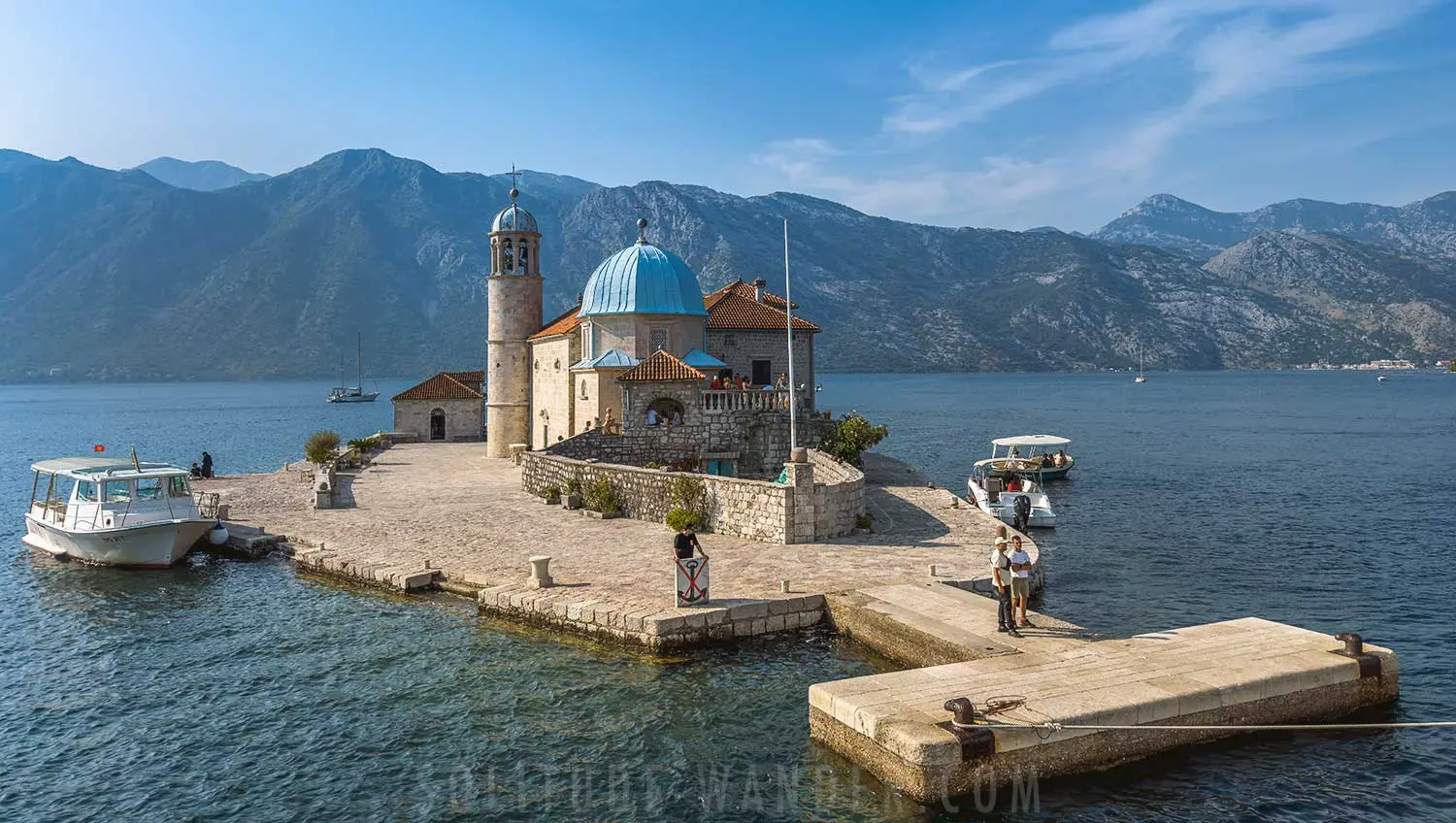
Lady of the Rocks Church
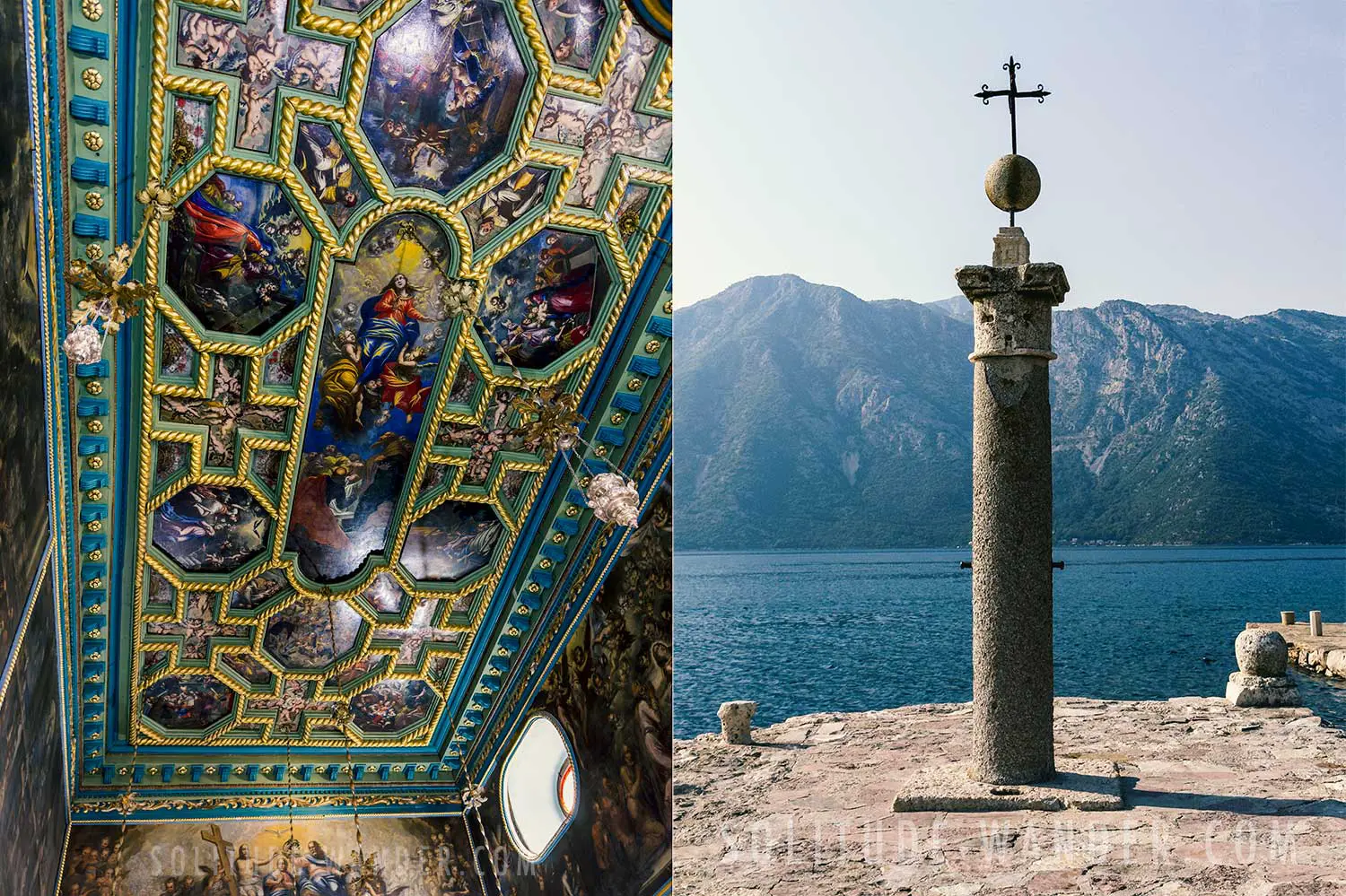
- Lady of the Rocks Church – The Island of Miracles. This small church on an artificial island has an incredible history: it was built by piling up stones and sinking old ships starting in 1452. Its interior houses an impressive art collection, including a famous altarpiece from 1796. Fun fact: locals still keep the tradition alive by adding stones to the island during an annual festival.
- Photo Stop at Perast. A brief pass in front of Perast, a village that looks like it came straight out of a Venetian postcard. With only 400 inhabitants, it boasts 16 baroque palaces and 17 churches a true open-air museum!
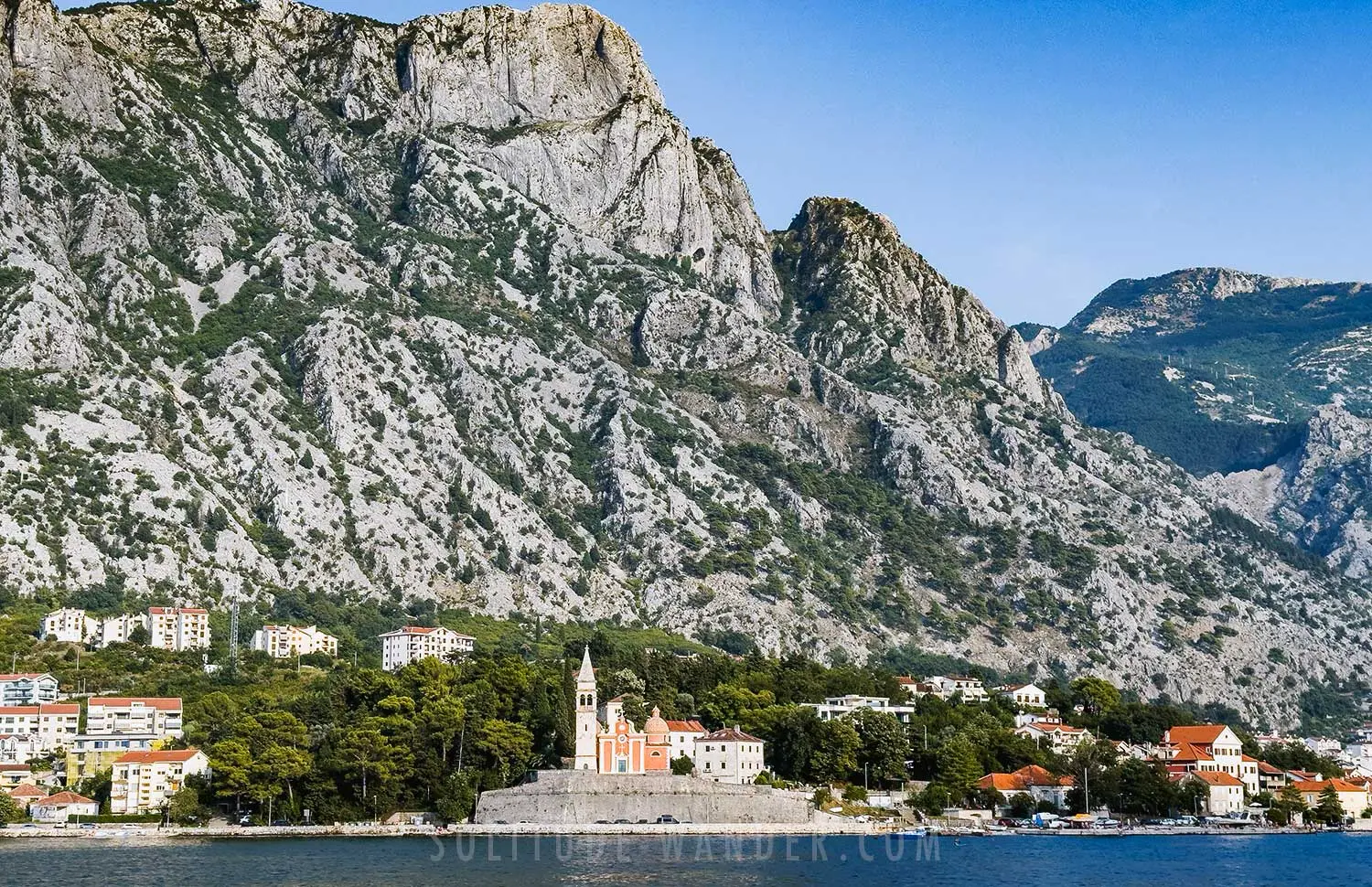
Perast Town
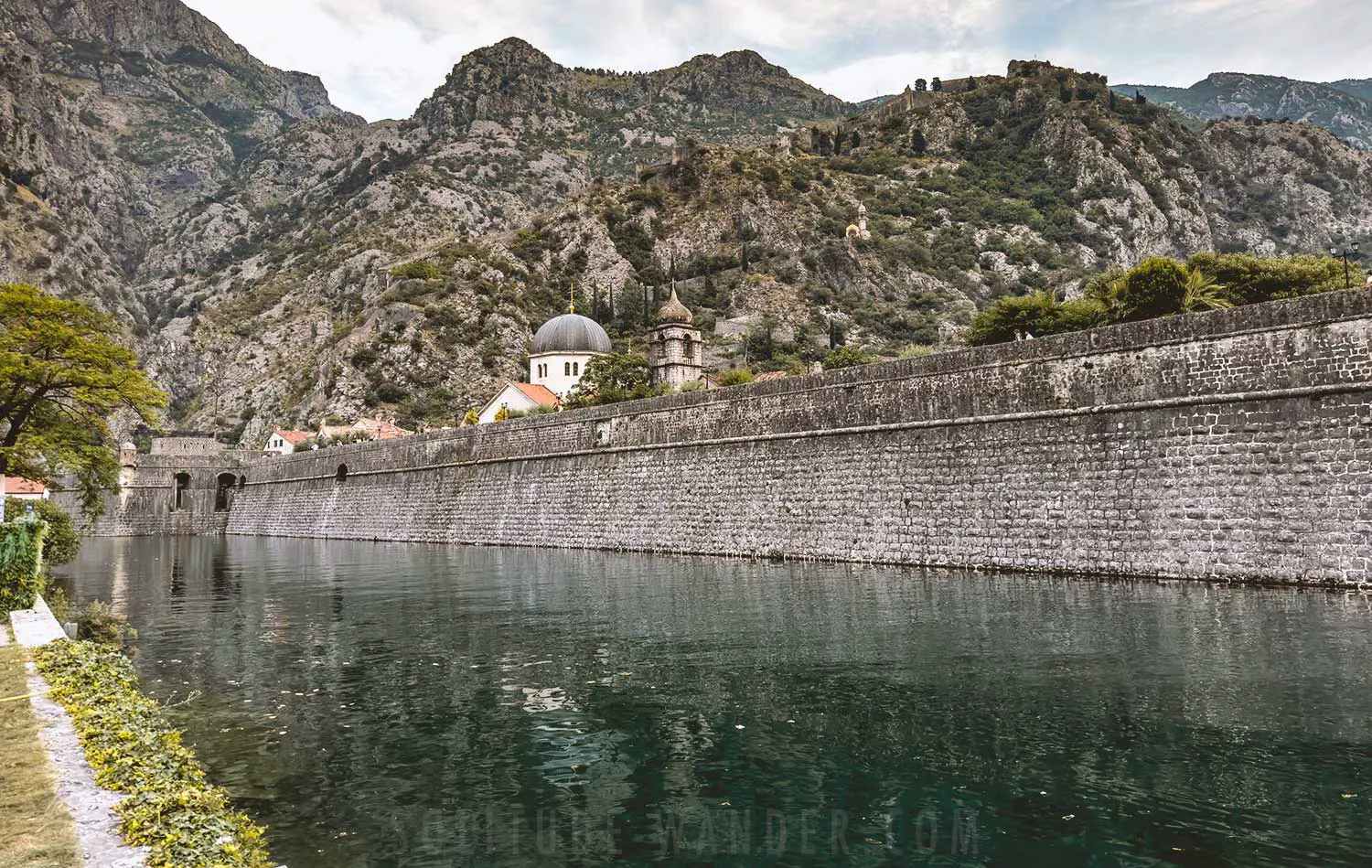
Kotor ancient walls
5 Kotor Town
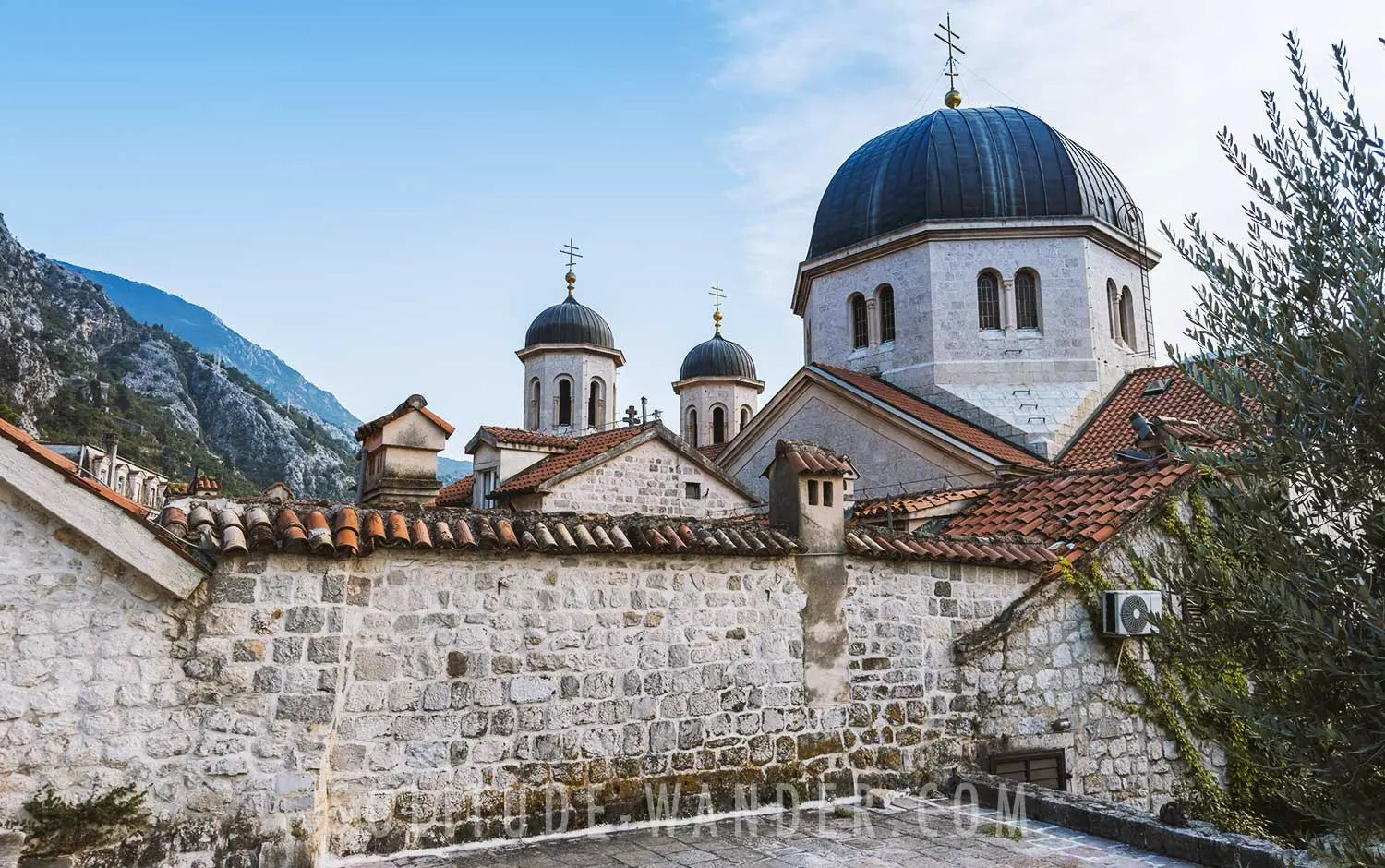
Kotor, with its breathtaking bay and UNESCO-listed old town, is one of Montenegro's most precious jewels. This ancient city, with its medieval walls and rich history, captivates every visitor.
Must-see in Kotor:
- The Old Town: Getting lost in the cobbled streets of the historic center is an unforgettable experience. Admire the noble palaces, churches, and squares, each with its own story to tell.
- The Cathedral of Saint Tryphon: Dedicated to the city’s patron saint, this Romanesque cathedral is an outstanding example of religious architecture.
- The Fortress of St. John: Climbing the steep stairs to the fortress rewards you with a breathtaking panoramic view of the city and the bay.
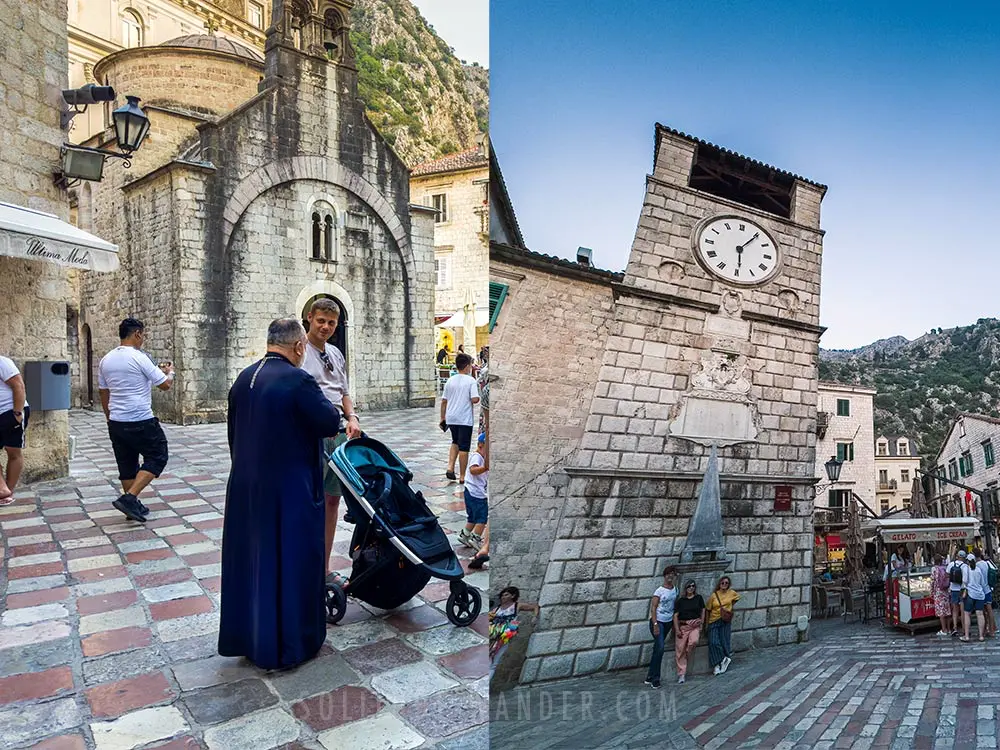
- The Walls: Walk along the ancient medieval walls and enjoy the surrounding scenery.
- Arms Square: This square is the vibrant heart of the old town, an ideal place to relax and observe the daily life of Kotor’s residents.
- The Maritime Museum: Discover Kotor's maritime history and admire a rich collection of archaeological and nautical artifacts.
- The Church of Santa Maria in Punta: Located on a small peninsula, this church offers a spectacular view of the bay.
6 Budva’s Nightlife
Budva boasts a vibrant and diverse nightlife scene, particularly appealing to a young crowd between 20 and 30 years old. The heart of the entertainment scene is primarily concentrated along the city's eastern coastline, where a wide variety of nightclubs can be found. Meanwhile, the Old Town and its immediate surroundings host a welcoming collection of bars and pubs, perfect for aperitifs and more relaxed evenings.
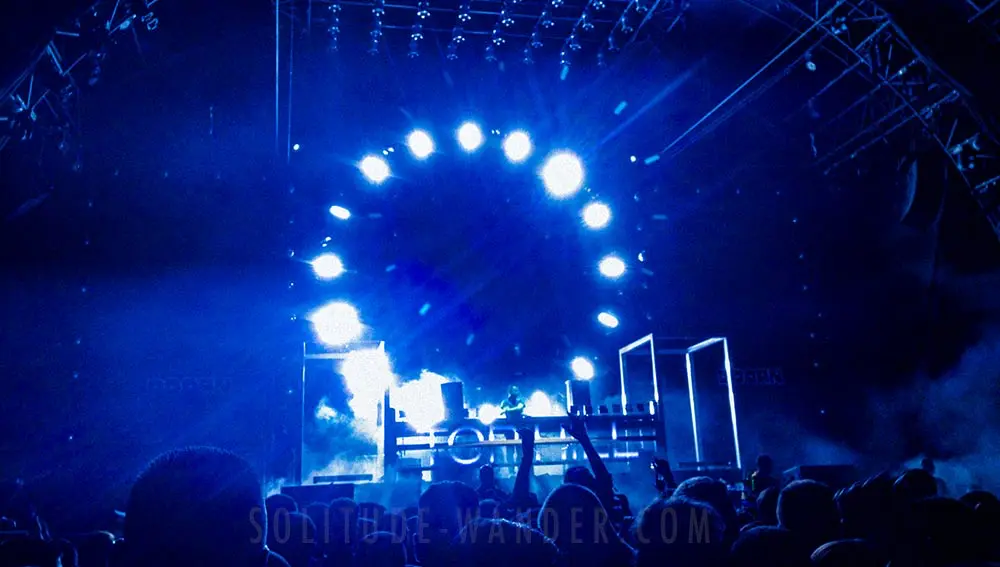
Amid this lively scene, Top Hill stands out as an undisputed icon of Montenegrin nightlife. Perched atop a hill, the venue offers breathtaking views of the Adriatic Sea, creating a one-of-a-kind atmosphere. With a capacity to host thousands of guests, this exclusive club has established itself as a key player in the international clubbing scene.
Its high-profile lineup regularly features world-renowned DJs and meticulously curated themed events. The spacious dance floor, combined with an electrifying ambiance, makes Top Hill an unmissable destination for nightlife enthusiasts and electronic music lovers.
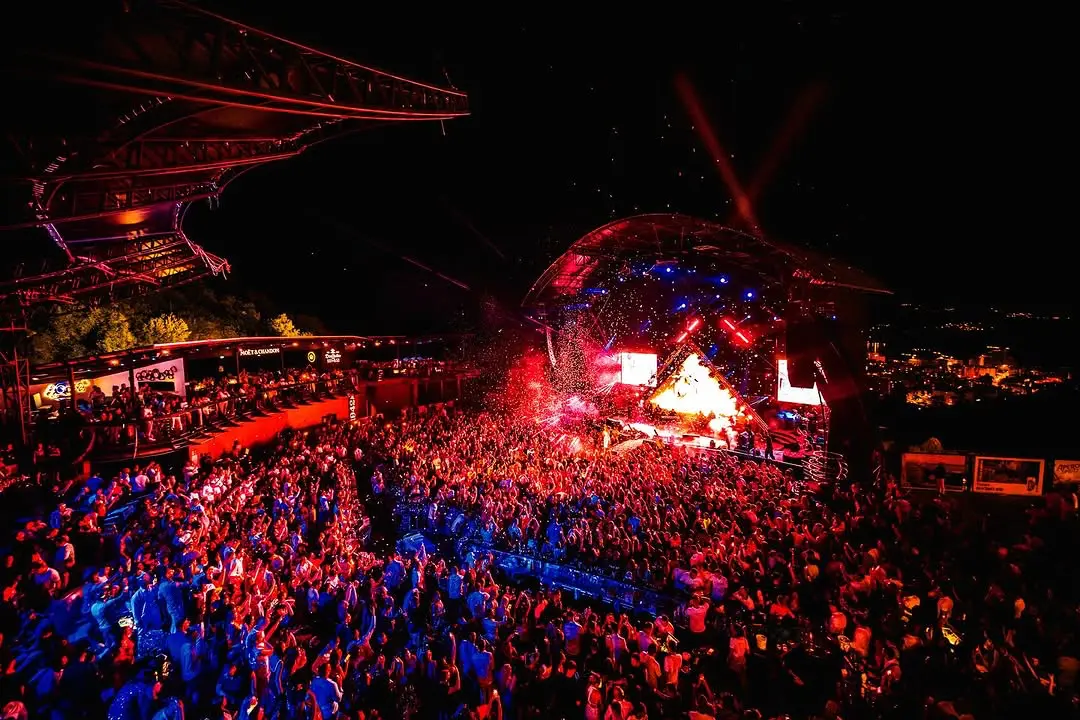
Top Hill Club Budva / Image form official instagram
Conclusions and Recommendations
Budva proves to be a destination worth exploring for its distinctive atmosphere within the Mediterranean context. In an era marked by global standardization, the city retains an authenticity that sets it apart. Its prime location also makes it an excellent base for discovering the surrounding areas, which hold a wealth of historical and natural heritage.
Regarding tourist services, a clear divide emerges: high-end establishments ensure excellent quality standards, while mid-range options still have room for improvement. Language barriers can be a challenge, and tourist information is sometimes incomplete. The culinary scene is varied: alongside modern venues offering contemporary cuisine, there are still places in need of significant renewal, both in service approach and culinary offerings.
Budva's most pressing issue is intensive urbanization, a rapidly progressing phenomenon. The proliferation of residential buildings, hotels, and villas is gradually altering the landscape and encroaching on natural spaces. This uncontrolled expansion has led to a surge in tourist numbers, causing overcrowding on beaches and traffic congestion, especially during peak hours. Visiting in the low season is advisable to enhance the overall travel experience.
The beaches offer moderately good swimming conditions, though water clarity is not always optimal. Beach clubs generally provide only essential services, often accompanied by loud commercial music. Despite the affordability of these facilities, finding quieter spots within the town’s limits can be challenging.
In terms of safety, Budva remains a reliable destination, even for solo travelers and especially for women. However, extra caution is recommended when navigating peripheral areas, where uneven pavement, height differences, or deteriorated wooden walkways may affect accessibility.
Budva's most pressing issue is intensive urbanization, a rapidly progressing phenomenon. The proliferation of residential buildings, hotels, and villas is gradually altering the landscape and encroaching on natural spaces. This uncontrolled expansion has led to a surge in tourist numbers, causing overcrowding on beaches and traffic congestion, especially during peak hours. Visiting in the low season is advisable to enhance the overall travel experience.
The beaches offer moderately good swimming conditions, though water clarity is not always optimal. Beach clubs generally provide only essential services, often accompanied by loud commercial music. Despite the affordability of these facilities, finding quieter spots within the town’s limits can be challenging.
In terms of safety, Budva remains a reliable destination, even for solo travelers and especially for women. However, extra caution is recommended when navigating peripheral areas, where uneven pavement, height differences, or deteriorated wooden walkways may affect accessibility.
How long to stay
If you want to see all the things mentioned in this guide and have time to relax, I recommend staying in Budva for a week. However, if you're in a hurry, you could see everything in 5 days.
If you're looking for longer stay or more relaxing vacation, consider staying in one of the quieter towns near Budva. Some popular options include; Bečići, Petrovac or Rafailovići.
Map Locations
The map includes all locations featured in this guide