Northern Cyprus Guide
Nicosia, Kyrenia,Golden Sands of Karpaz, Famagusta & Forgotten History, Ghost City
LAST UPDATE: Oct 2024
Northern Cyprus
A journey beyond prejudices
Like many, I was unsure of what to expect from Northern Cyprus Conflicting stories, mixed experiences ... but curiosity won! I decided to go, with an open heart and a desire to explore, to discover a secret corner of the Mediterranean.
In this guide, I’ll take you along to explore pristine beaches , ancient archaeological sites , and a vibrant culture , revealing the secrets of an island that will surprise you .
Northern Cyprus
Where History Meets the Wild Beauty of the Mediterranean
With a history shaped by ancient civilizations, Crusaders, Ottomans, and the British, and today under Turkish control, Northern Cyprus holds an extraordinary cultural heritage. The deeply rooted Turkish influence is reflected in the landscape, historic buildings, cuisine, and local traditions.
This fascinating destination, located in the northern part of Cyprus, offers a unique experience where time seems to stand still. The traces of the 1974 Turkish invasion blend with a rich historical and cultural legacy, creating an evocative and authentic atmosphere.
Still largely unexplored by mass tourism, Northern Cyprus boasts unspoiled landscapes, wild and uncrowded beaches, and invaluable historical sites. A true crossroads of cultures, where Turkish and Cypriot influences intertwine, further enriched by the presence of a vibrant Filipino community.
Despite its unresolved political status, Northern Cyprus is a safe destination for travelers, offering a relaxed and welcoming atmosphere. Its main attraction is the city of Kyrenia (Girne), with its picturesque Venetian harbor and imposing medieval castle. Other wonders include the fortified citadel of Famagusta, the ruins of Salamis, and the enchanting monasteries nestled in the mountains.
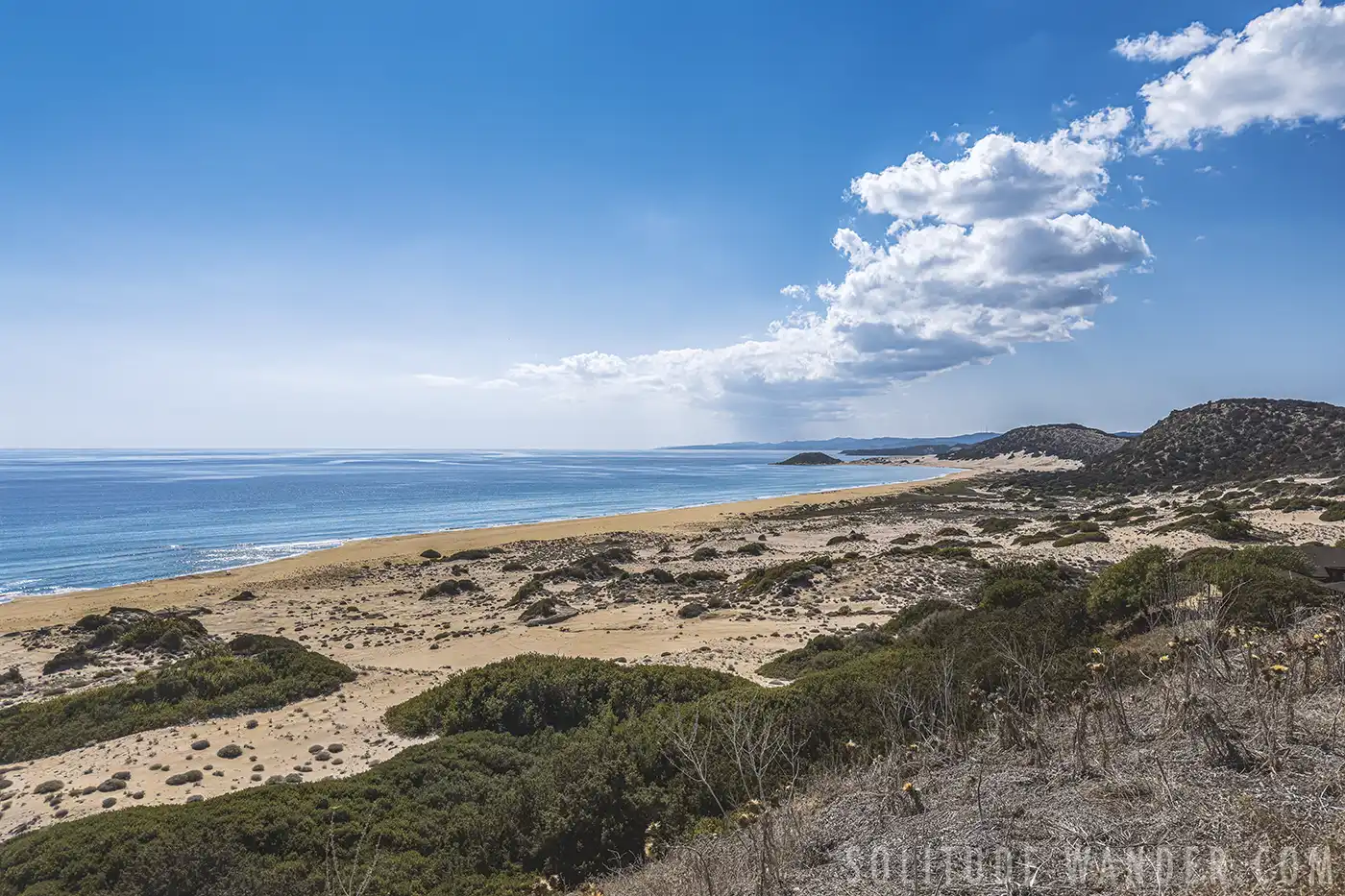
For those in search of authentic landscapes and pristine, wild beaches, the Karpaz Peninsula is a true paradise: a vast stretch of golden sand, free from beach resorts, hotels, restaurants, and umbrellas, where nature reigns supreme. Here, deserted beaches meet crystal-clear waters, and the rare wild donkeys that roam the area add a magical touch to the scenery.
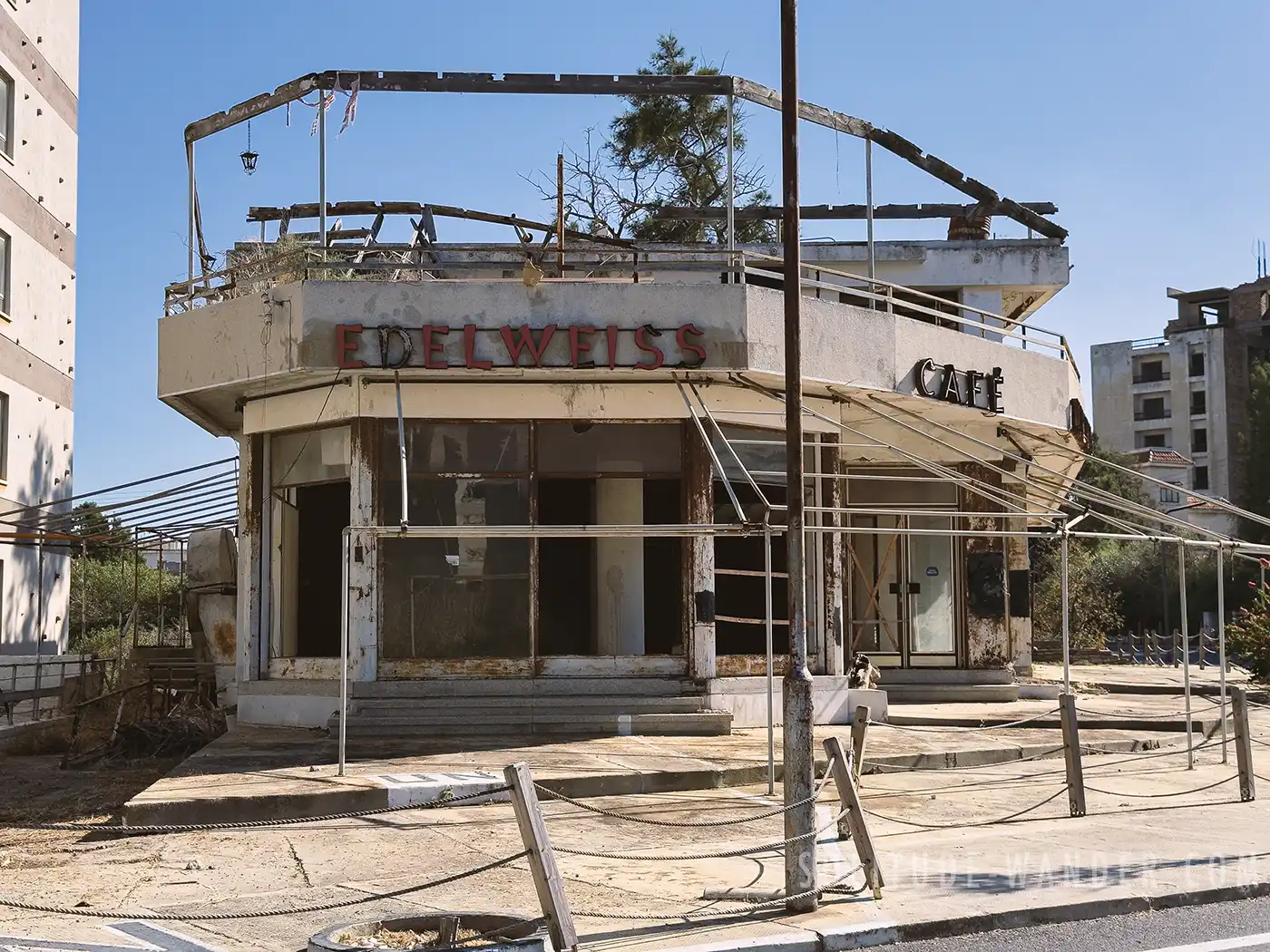
Another must-visit is Famagusta, a city rich in history, culture, and archaeological sites, featuring its hauntingly beautiful "Ghost City." Once a thriving tourist hotspot, today it stands abandoned and melancholic, wrapped in a surreal atmosphere—an emotional experience that will leave a lasting impression on your journey through Cyprus.
The official currency is the Turkish lira (TRY), but most shops and restaurants accept credit card payments. To get a favorable exchange rate, it is advisable to withdraw cash directly from local ATMs or exchange euros at currency exchange offices, which are found in major cities and near border checkpoints.
While asking for an ATM at the port, I was offered an exchange of euros to lira with no commission, at a rate verified on the spot. Despite my positive experience, I recommend exercising caution and, if possible, using official ATMs or exchange offices.
Table of Contents
How to Get Northern Cyprus
My journey into Northern Cyprus will begin through the vibrant capital, Nicosia, a must-see stop for its rich history and unique divided-city character. Not only does it offer convenient access to excellent car rental services, but its proximity also ensures a quick and scenic drive to the next highlight: the enchanting coastal town of Kyrenia.
By Plane
The most convenient airports for reaching Northern Cyprus are located in the southern part of the island, in the Republic of Cyprus:
- Larnaca Airport (LCA) – about 50 km from Nicosia.
- Paphos Airport (PFO) – about 150 km from Nicosia.
Both airports offer domestic and international flights to and from Europe.
Transport from the Airports to Nicosia
🚗 Car Rental
Heads up: All Cyprus, driving is on the left, with the steering wheel on the right. If renting a car, pay extra attention at roundabouts and when overtaking—especially if you're used to right-hand traffic.
For convenience, it is recommended to rent a car directly from companies in Northern Cyprus. Cars should be booked online before arrival, and pickup takes place in Turkish territory after passing the checkpoint in Nicosia.
This has two advantages:
- Lower cost compared to rentals in the southern part.
- Avoiding insurance issues and long waits at customs, as rental cars from the Republic of Cyprus often do not have coverage in Northern Cyprus, or rental companies do not allow crossing the border.
Personally, I used this company and had a great experience. The car is delivered shortly after the Ledra Palace Border checkpoint.
🚖 Taxi to Nicosia
A convenient but more expensive option.
- Estimated fare:
- €50-60 from Larnaca to Nicosia.
- €100-120 from Paphos to Nicosia.
- If you take the bus to Nicosia, it’s best to get a taxi to the checkpoint to enter Northern Cyprus and pick up your rental car.
- Uber is available and is often cheaper than traditional taxis.
🚌 Bus
From Larnaca and Paphos airports, there are direct buses to Nicosia (Lefkosia):
- Cost: Around €8-15 per trip.
- Frequency: Every 30-60 minutes.
- Note: The bus stop is slightly outside the city center, so you’ll need to take a taxi to the checkpoint to cross into Northern Cyprus.
📡 Phone & Internet
Attention digital travelers: staying connected in Northern Cyprus requires some strategic planning. International roaming can be expensive and unreliable, so here are some practical solutions:
📱 Local SIM Card
- Recommended providers: Turkcell or Telsim
- Average cost: €20-30 for a SIM card with sufficient data
- Where to buy:
- Phone stores
- Airports
- Major cities like Nicosia and Kyrenia (Girne)
📶 Connectivity Alternatives
- Offline maps: Download full maps on Google Maps or Maps.me in advance
- WiFi: Free connections are available in:
- Cafés
- Restaurants
- Hotels
- Coffee shops
1. Nicosia:
Going to North side: A Guide to the Turkish Side of a Divided City
Before start; you can include this stop either at the beginning or the end of your trip to Cyprus. Choose the best time based on your arrival/departure schedule and the other destinations in your itinerary.
Nicosia is a mid-sized city with a unique trait—it’s a place where two distinct worlds coexist: the Greek Cypriot south and the Turkish Cypriot north. Each side has everything it needs to function independently, creating a fascinating balance between two cultures and ways of life.
In this guide, we’ll explore North Nicosia, the Turkish-administered part of the city—a place that feels frozen in time.
What Makes Turkish Nicosia Special?
- A Step Back in Time: Faded Ottoman-era architecture, traditional bazaars, and an unpretentious simplicity.
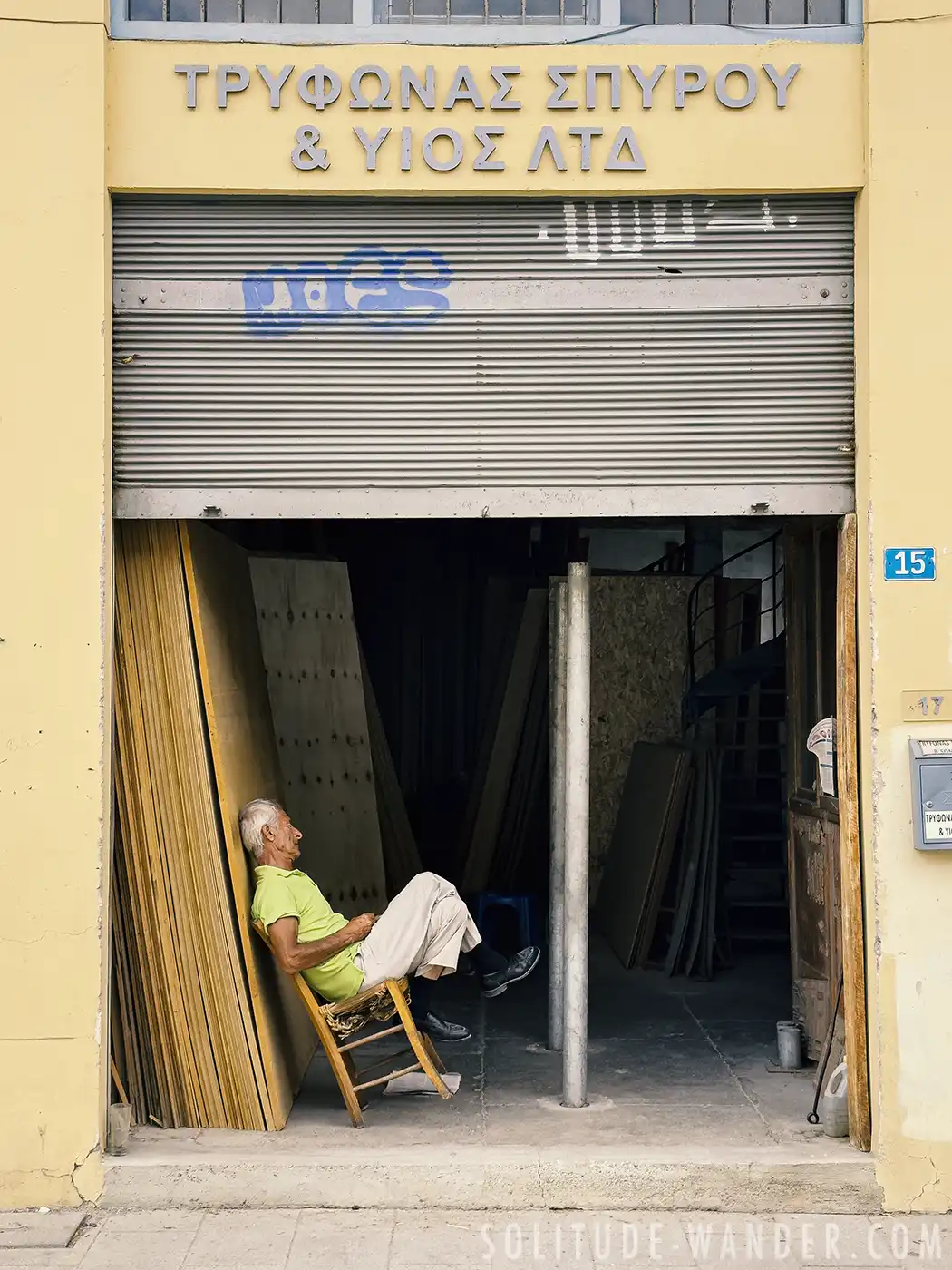
- Living Craftsmanship: Carpenters, cobblers, blacksmiths, and weavers still work as they did decades ago.
- Self-Sufficiency: A place where everything—from food to handmade goods—is made locally.
- A Relaxed Vibe: Untouched by mass tourism, perfect for those seeking authenticity.
If the south feels orderly and modern, the north has a grittier, less polished, yet deeply vibrant soul. This is where you’ll find the real Cyprus—far from clichés, with every corner telling a story.
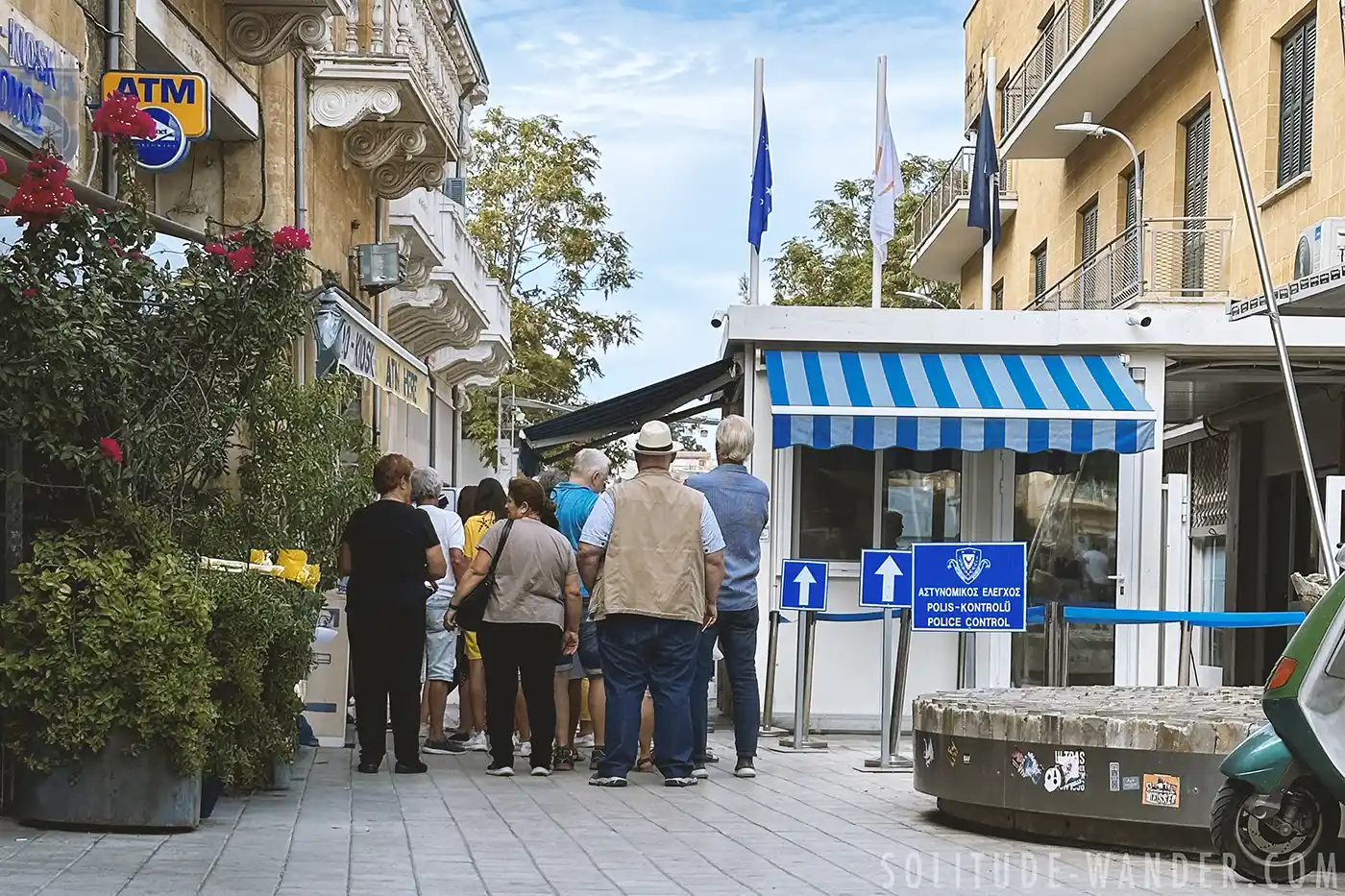
Ledra Palace check point
2. Crossing the Checkpoint
from Nicosia
Required Documents:
To enter Northern Cyprus, you need a passport or a national ID card valid for international travel. A visa is not required, but it is advisable to check for any regulatory changes before departure.
There are several checkpoints for crossing:
-
Ledra Palace (pedestrian) – The most central option, ideal for those arriving on foot from Southern Nicosia.
-
Ledra Street (pedestrian) – Convenient for those exploring the divided city.
-
Metehan / Agios Dometios (vehicle crossing) – The most used by travelers renting a car in Southern Cyprus, as it allows vehicle passage.
Büyük Han
First Impressions: A Striking Contrast
Arriving from the south, what stands out is the city’s spacious layout and organized calm, a place that feels both peaceful and lively. But as soon as you cross the border, the atmosphere shifts. Turkish Nicosia is more authentic, chaotic, and raw, with a retro charm that transports you to another era.
The streets buzz with craft workshops, small factories, and shops that have long disappeared in the West. Life here moves at a different pace—far from rampant consumerism, in a city that produces what it needs without relying heavily on imports.
What to See in Northern Nicosia:
Selimiye Camii (formerly Cathedral of Saint Sophia)
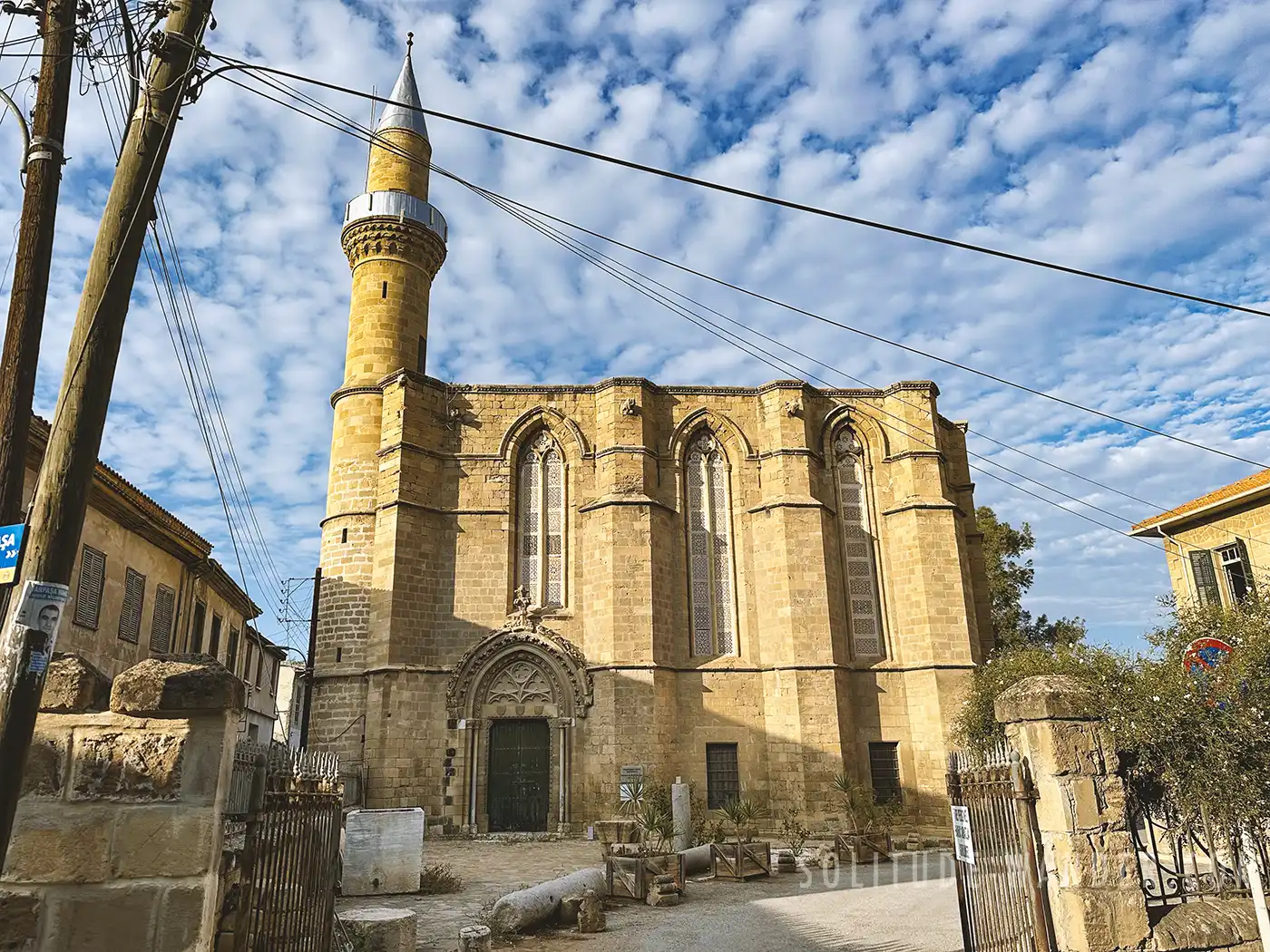
The Selimiye Camii, originally the Cathedral of Saint Sophia, is a symbol of Nicosia, built in the 13th century in Gothic style and converted into a mosque in 1570. It represents the fusion of Christianity and Islam, with its Gothic architecture, Ottoman minarets, and interiors blending medieval frescoes with Islamic decorations.
-
Must-see highlights: Gothic architecture, minarets, interiors with both Christian and Islamic influences.
-
Visitor information: Free entry (respect religious customs: dress modestly, remain silent during prayers). Located in the historic center, near Büyük Han.
Selimiye Camii
Selimiye Mosque
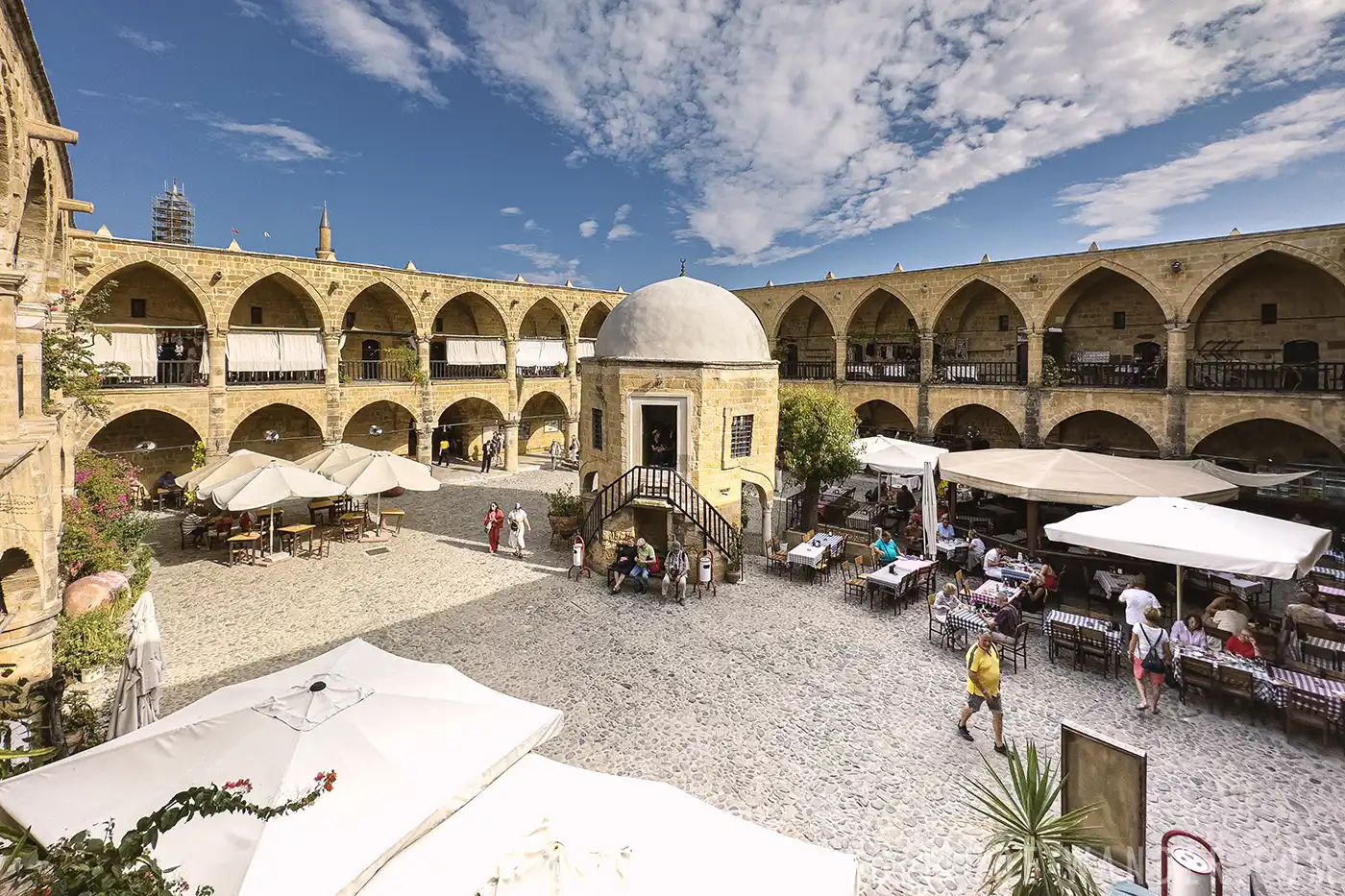
Originally St. Sophia Cathedral, the Selimiye Mosque is a Gothic masterpiece converted into a mosque in 1570, dominating Nicosia’s skyline with its imposing Ottoman minarets. Inside, the fascinating blend of Christian and Islamic elements reflects centuries of Cypriot history. Nearby stands the Büyük Han, the island’s oldest Ottoman caravanserai (1572), now a vibrant hub of crafts and culture with its picturesque paved courtyard, central fountain, and charming cafés beneath the arches.
Both landmarks are located in the heart of the old city and offer free admission. The mosque requires modest attire and respect during prayer times, while the caravanserai provides a more relaxed atmosphere, perfect for a break between sightseeing. Together, these architectural gems take visitors on a journey through the eras that shaped Cyprus—from Gothic and Ottoman influences to still-thriving traditions.
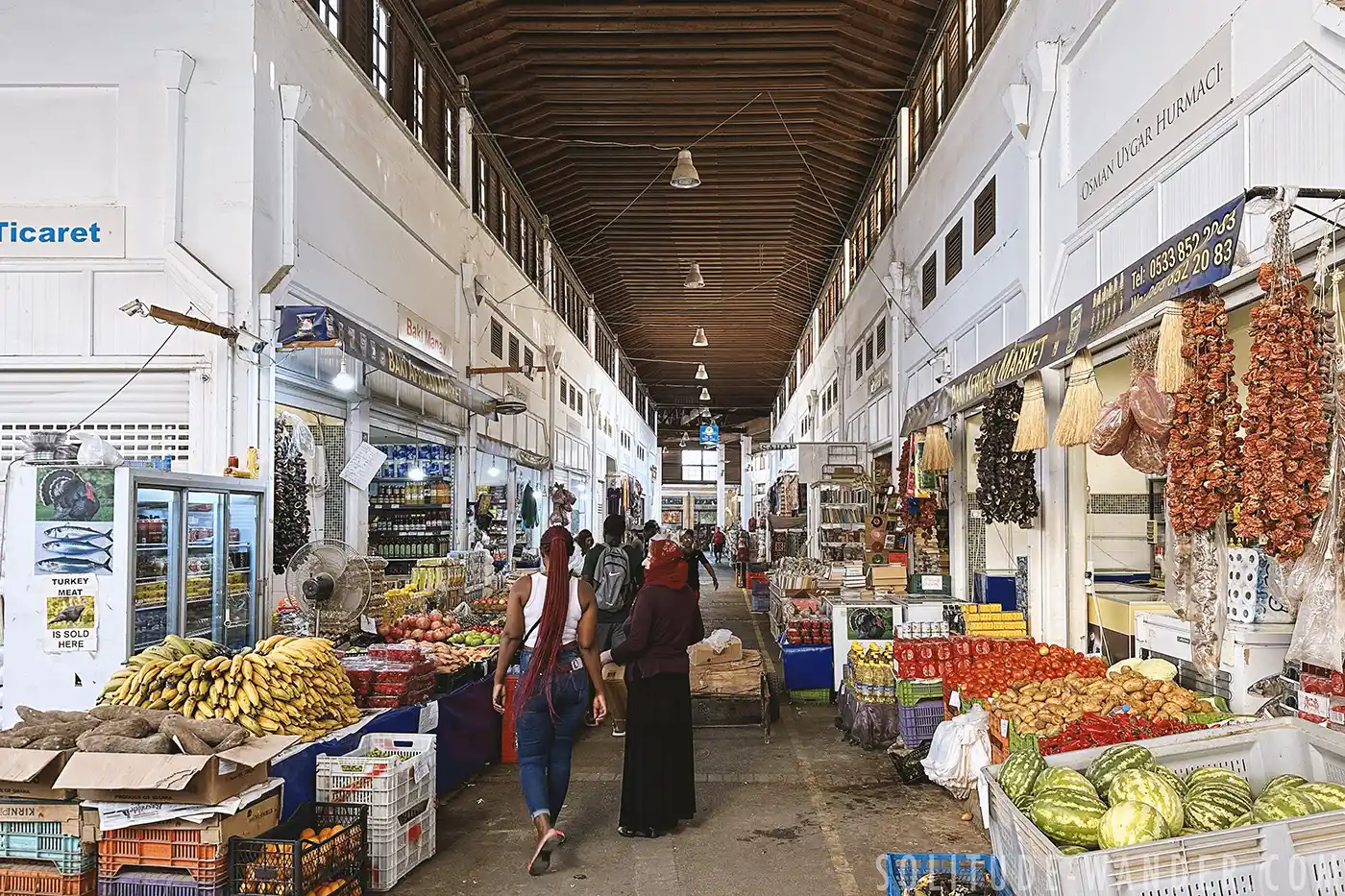
Bandabulya Market (Nicosia)
The bustling Bandabulya Covered Market, located in Nicosia's historic center, is the perfect place to experience authentic Cyprus. Wander among stalls brimming with fresh fruit, aromatic spices and local products while soaking up the island's traditional atmosphere.
Opening Hours: Open every morning (closed Sundays)
Must-Try Specialties: Halloumi cheese, olives and Cypriot sweets
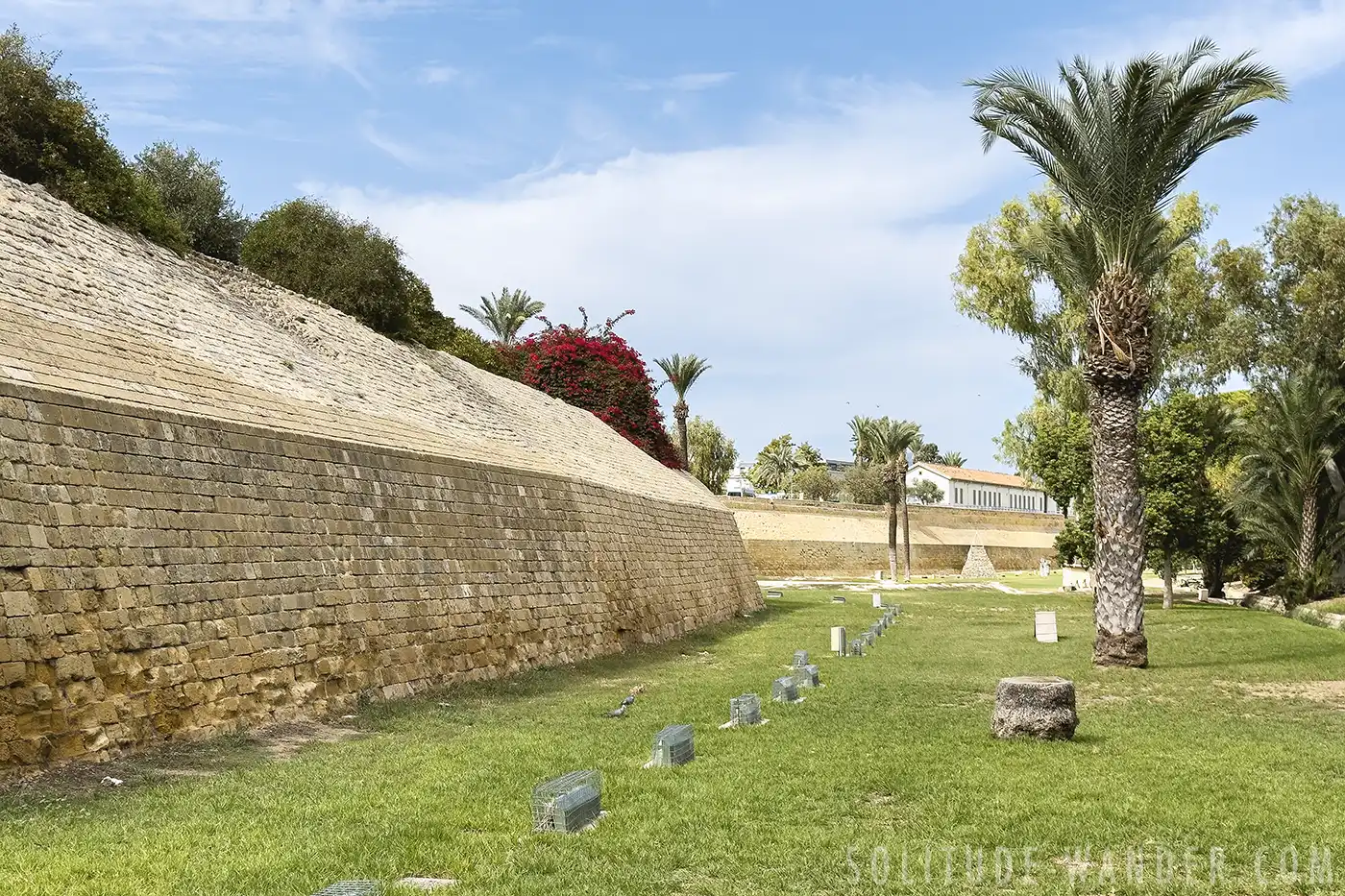
Venetian Walls and Roccas Tower (Nicosia)
The imposing Venetian Walls, built in the 16th century, encircle Nicosia's old town with their distinctive star-shaped bastions. The Roccas Tower (also known as "Podocattaro Bastion") offers breathtaking panoramic views showcasing the striking contrast between ancient and modern.
Don't miss: An unforgettable sunset stroll along the ramparts
Access: Free entry with clearly marked viewpoints
Interesting fact: Though designed to withstand Ottoman artillery, these formidable walls ultimately couldn't prevent the city's fall in 1570.

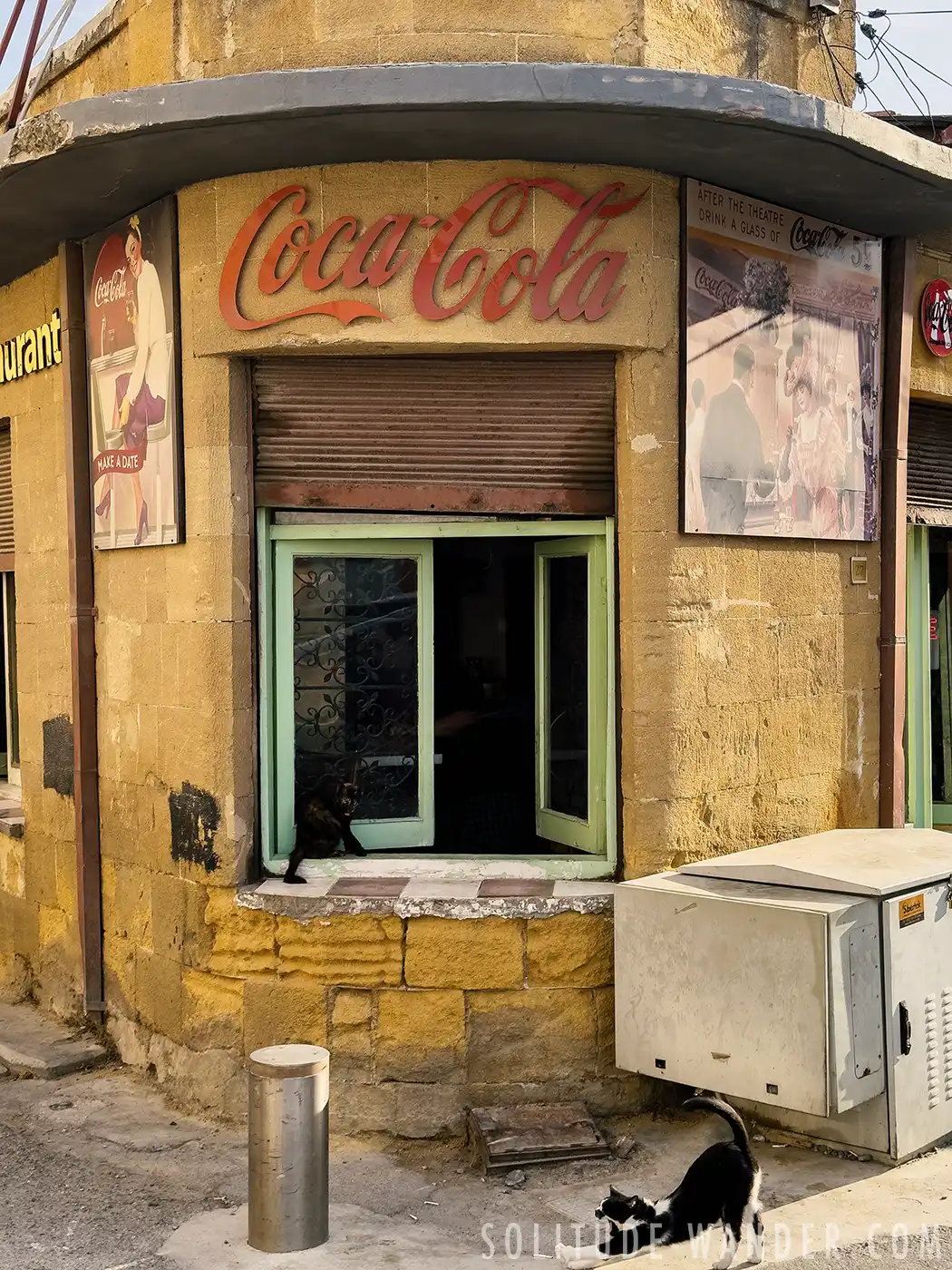
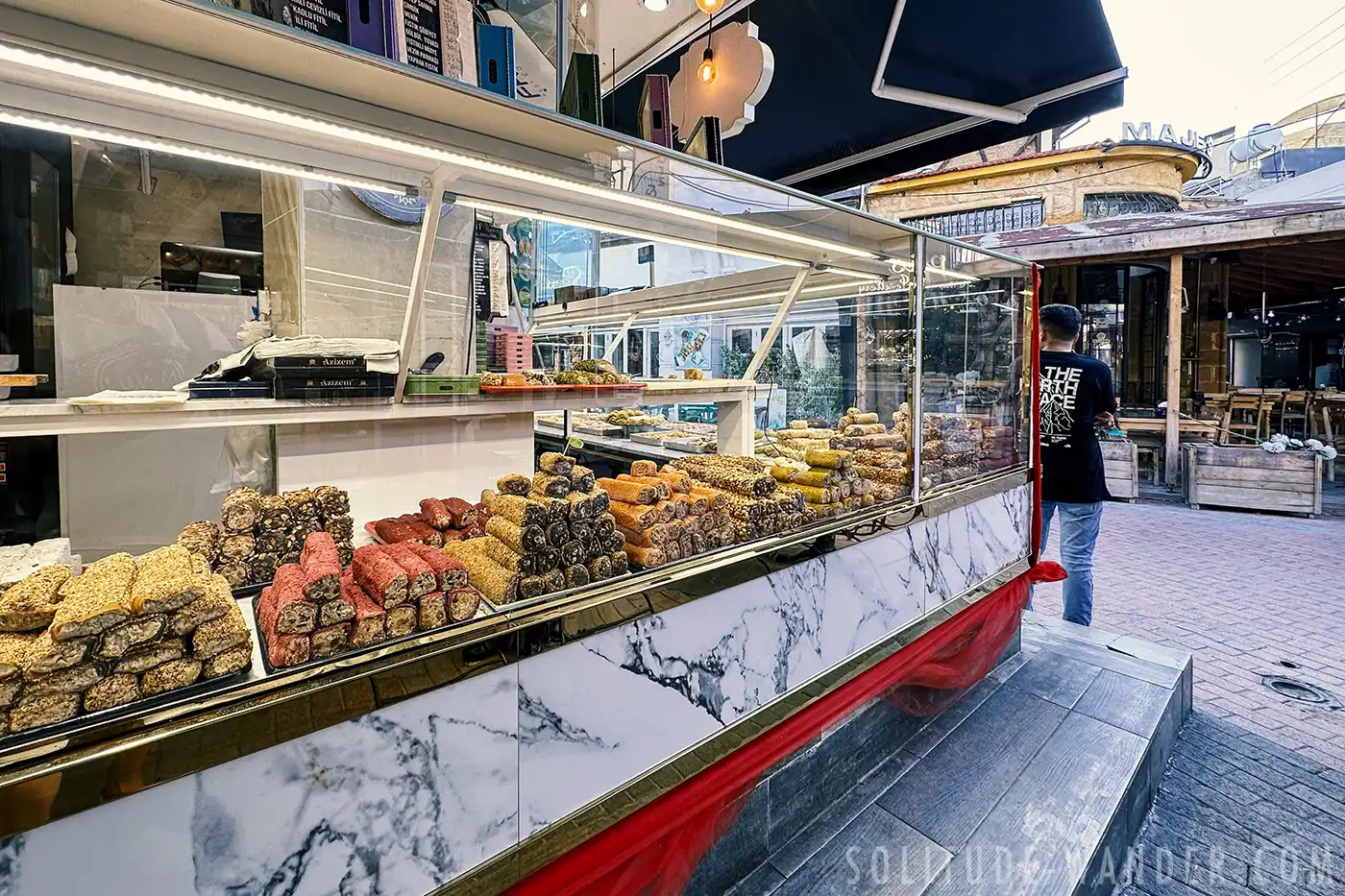
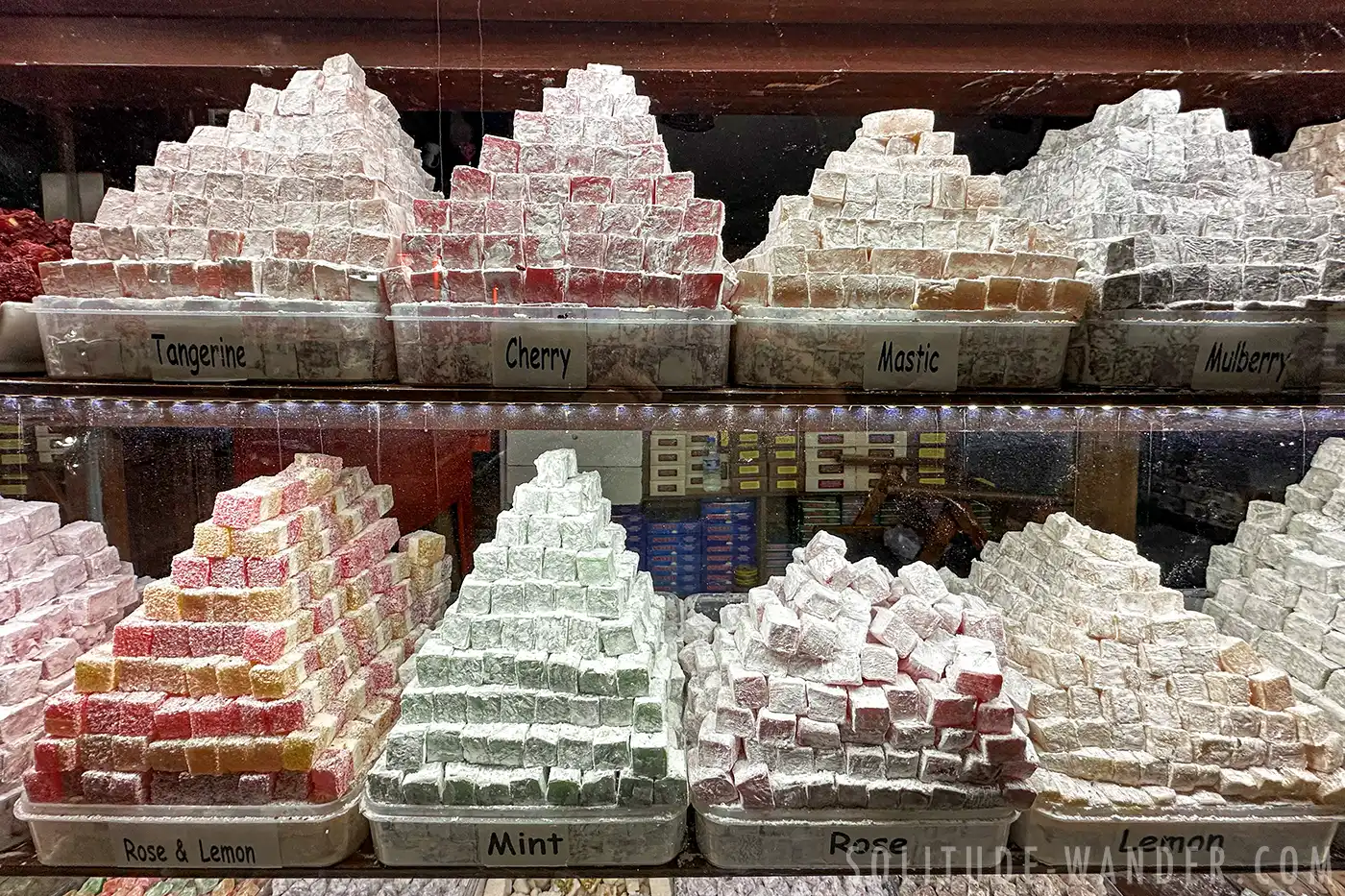
Typical Turkish Sweets in North Nicosia not so cheap!
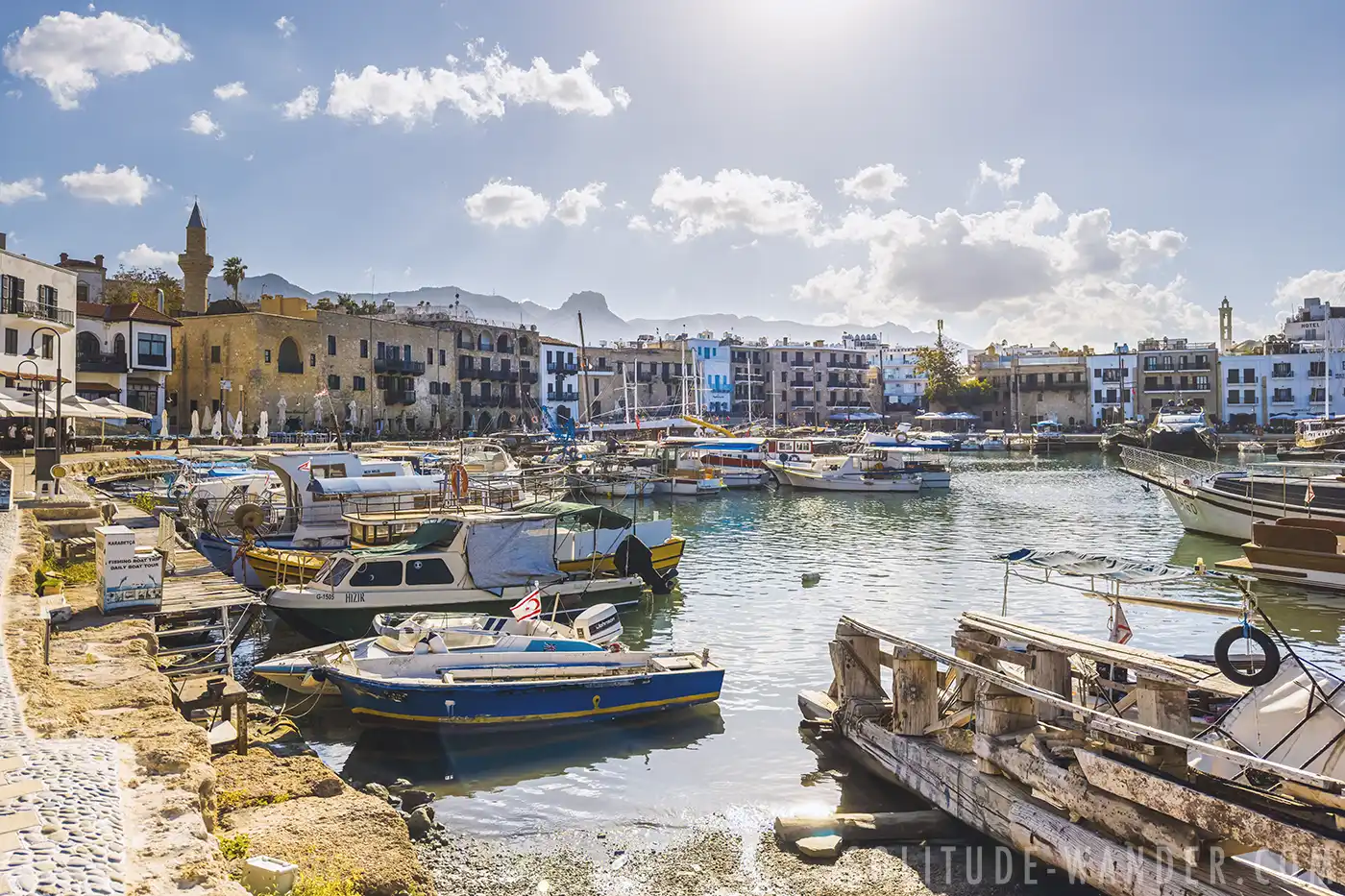
2. Kyrenia
Timeless Charm
Leaving Nicosia can be stressful due to heavy traffic and countless traffic lights. However, roads in Northern Cyprus improve outside the city, becoming smoother and more scenic. Strictly adhere to speed limits and watch out for frequent speed cameras.
Kyrenia: A City of Contrasts and Charm
While often compared to Portofino, this description feels exaggerated. Kyrenia has its own unique charm—steeped in history and culture, yet with a completely different atmosphere. The upper town is like an open-air bazaar, a vibrant explosion of colors, scents, and sounds.
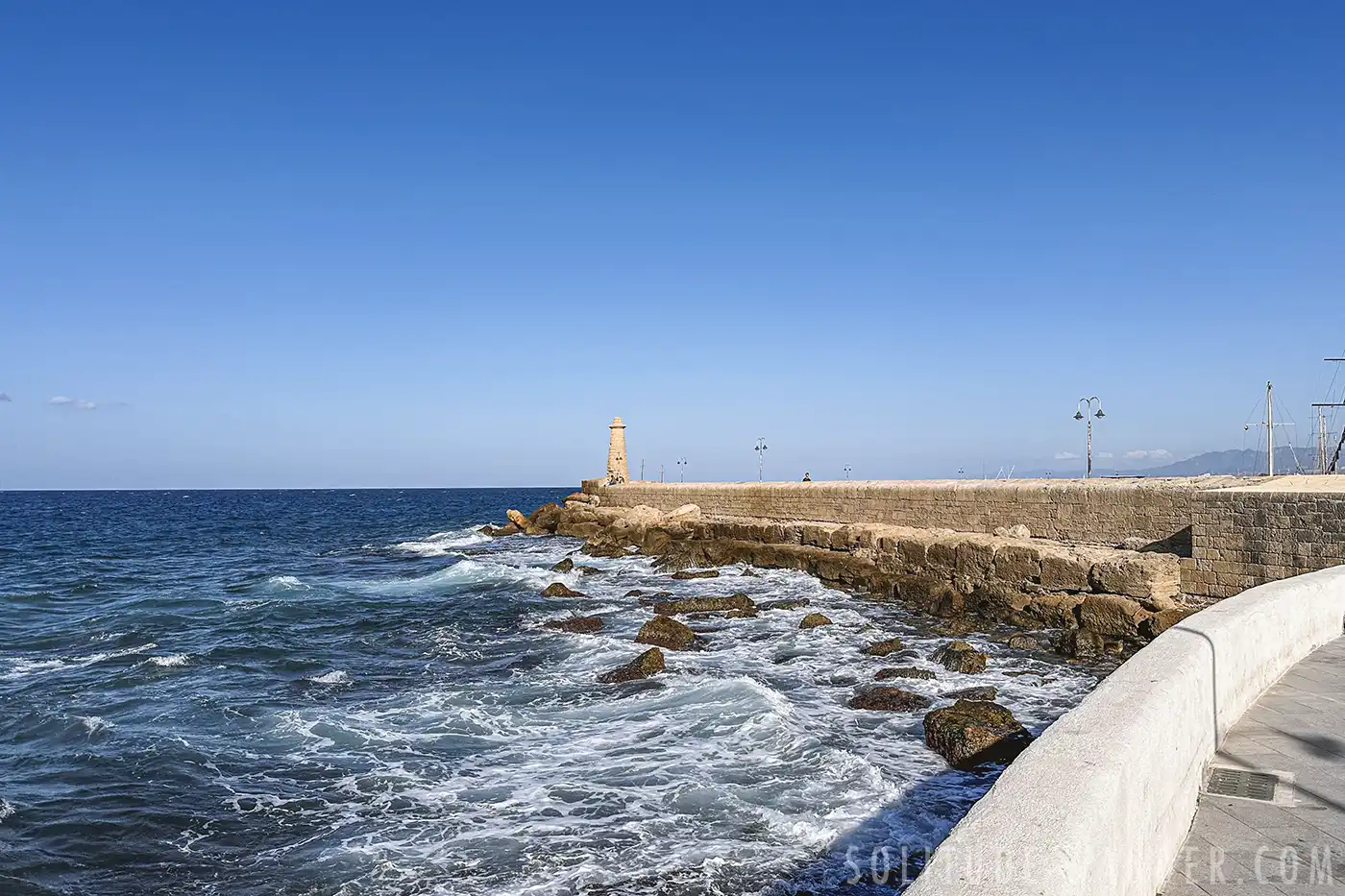
The marina, with its ghostly-looking ships, has a decaying allure.
By night, the casino district transforms into a luxurious oasis, frequented by an international crowd.
What to See:
- Kyrenia Castle: A formidable medieval fortress with breathtaking views. This impressive example of Northern Cyprus’s medieval architecture was originally built by the Byzantines in the 7th century and later modified by the Crusaders, Venetians, and Ottomans. Inside, you’ll find archaeological artifacts as well as the Kyrenia Shipwreck—the remains of an ancient Greek merchant vessel.
- Old Harbor: Picturesque yet marked by abandoned boats, giving the scenery a slightly neglected, melancholic charm.
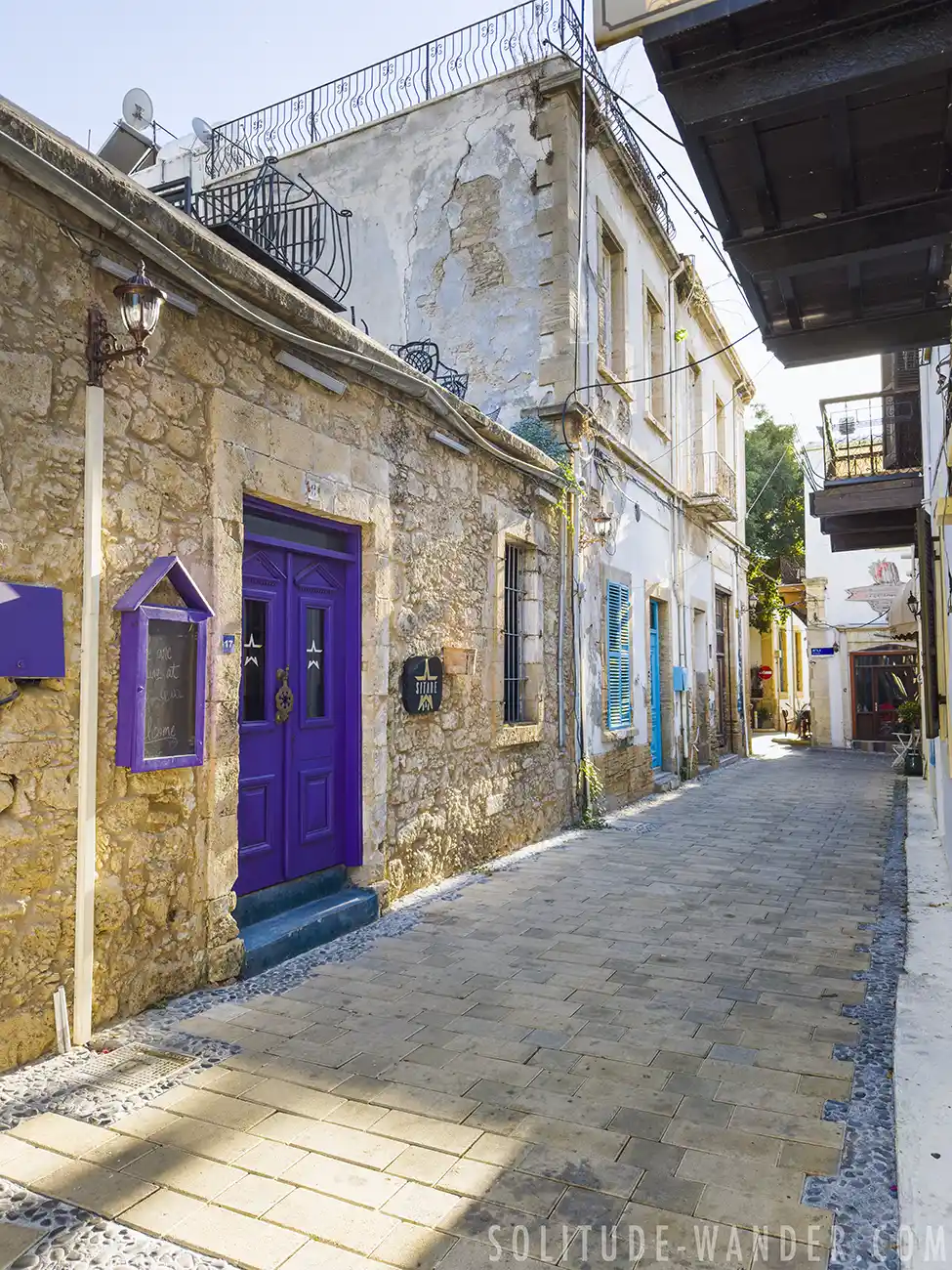
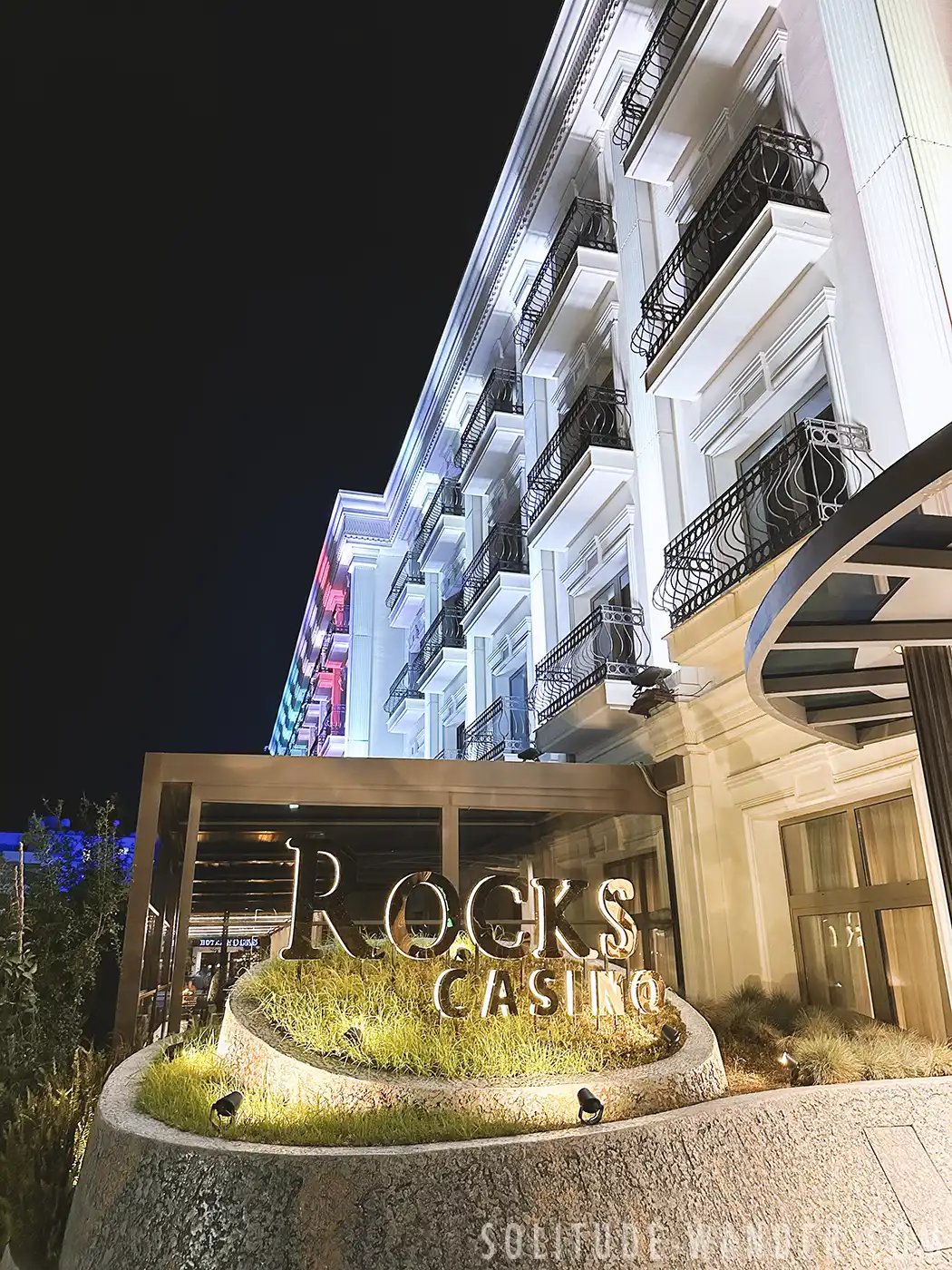
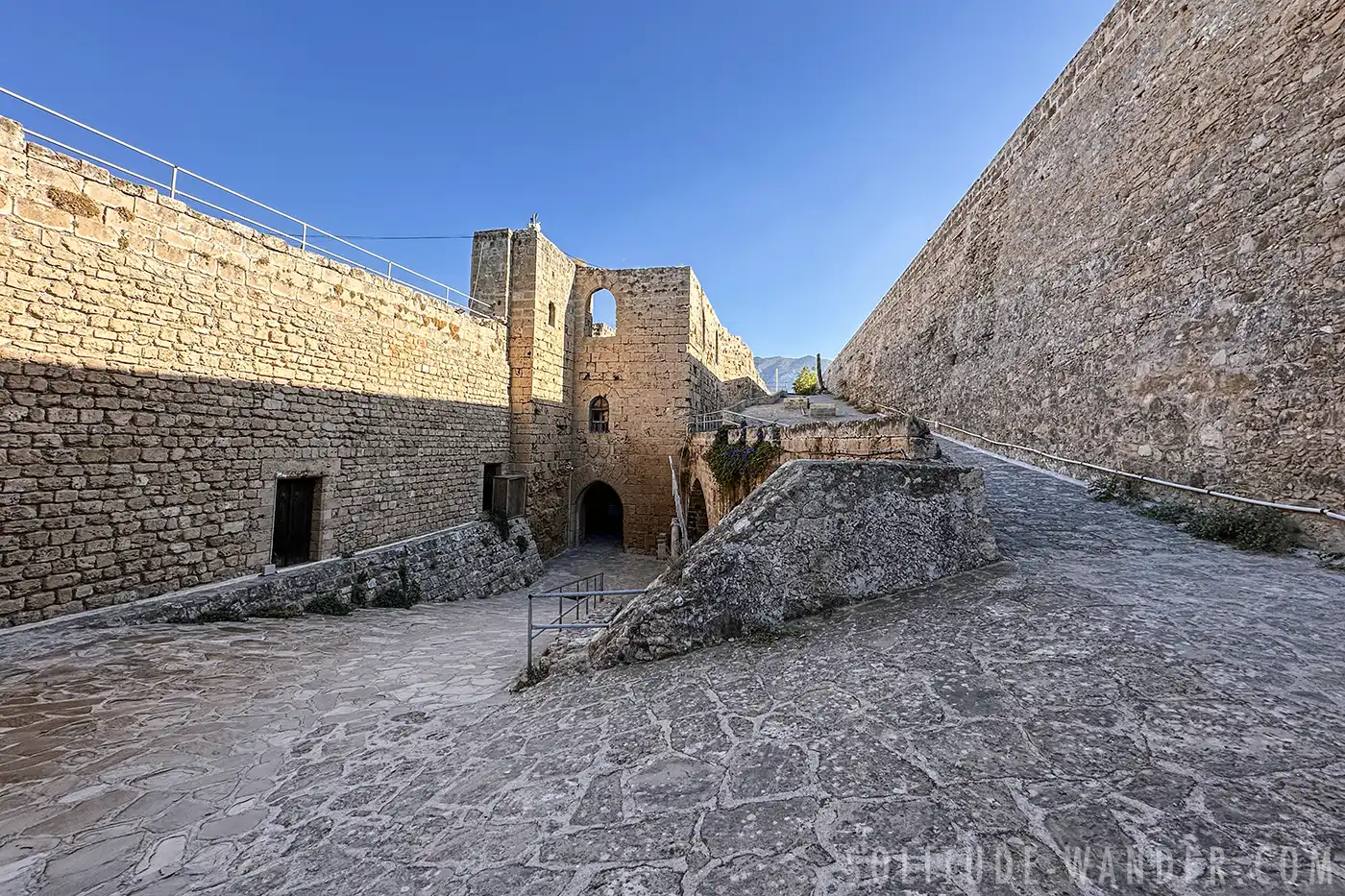
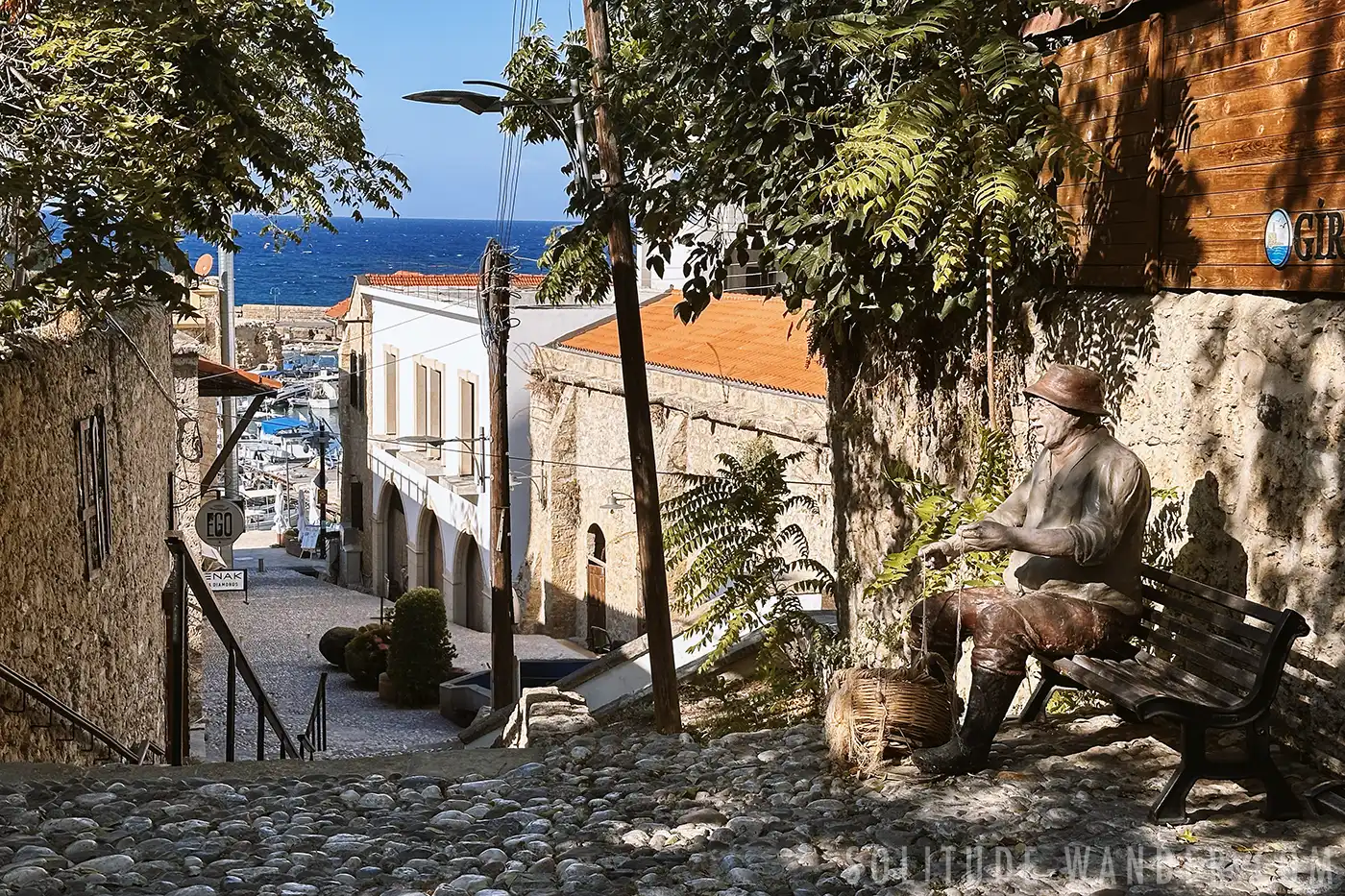
Way to the port of Kyrenia

Karpaz: Cyprus' Last Untouched Wilderness
The first leg of your trip to the Karpaz Peninsula follows Northeastern Cyprus’ stunning coastline—an ideal route to soak up sea views with the Mediterranean on your left and the dramatic Pentadaktylos Mountain Range on your right. While this stretch has no major must-see stops, it invites spontaneous detours—keep your eyes peeled for hidden coves or rustic roadside stops worth exploring.
A pristine paradise right on your doorstep
Starting from Iskele (Trikomo), near Famagusta, the Karpaz Peninsula unfolds—a slender finger of land stretching into the Mediterranean. Far from conventional tourist trails, this is Cyprus at its most authentic, forgotten by time:
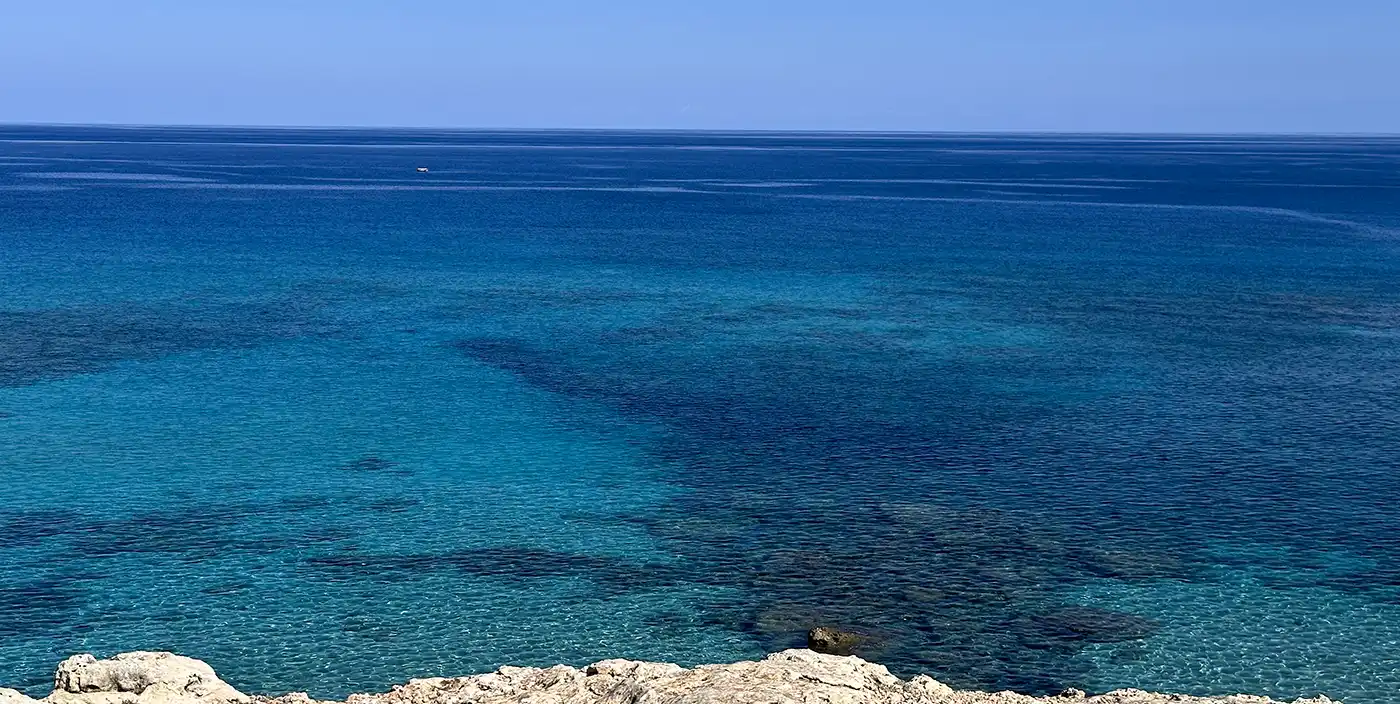
- Untamed Nature: Wind-carved cliffs, pine forests, deserted beaches, and crystalline waters shifting from turquoise to sapphire.
- Unique Geography: Part of the Pentadaktylos range (the "five fingers" in Greek), with hills reaching 1,023m and breathtaking vistas.
- Rejuvenating Silence: No traffic, no crowded resorts—just the sound of wind and waves.
Why Choose Karpaz?
✔ Unwind on golden beaches and secluded coves—your footprints may be the only ones in the sand.
✔ Explore trails through ancient olive groves and abandoned villages.
✔ Discover unique biodiversity: Pink flamingos, loggerhead sea turtles, and wild donkeys roaming free.
"Karpaz isn’t a destination—it’s a return to simplicity, where the only luxury is time stretching endlessly."
Perfect for:
- Those seeking authenticity far from mass tourism
- Photographers and lovers of untouched nature
- Travelers craving a rejuvenating escape without flying halfway across the world
(Want to know the best beaches or must-see villages? Just ask!)
3. Journey to Karpaz
The Odyssey of the Lonely Road
Leaving cozy Kyrenia behind, I pack plenty of water and some food—the next destination is a remote area with no services. As you near the Karpaz coast, the road narrows, and smooth asphalt gives way to a rough, stony surface. Potholes demand full attention to avoid tire damage or worse, mechanical issues. Keep an eye out for tourist buses too; the narrow lanes make every passing encounter a mini-adventure.
The area feels almost deserted, the landscape growing increasingly arid under a scorching sun. Your only companions? The occasional flock of sheep, briefly interrupting the silence of this harsh yet captivating land.
When you reach Golden Beach, you’ll find multiple dirt-road access points on your right to approach the shore. Drive carefully—parking near the beach is easy once you’re there.
4. Golden Beach
A Lonely Paradise
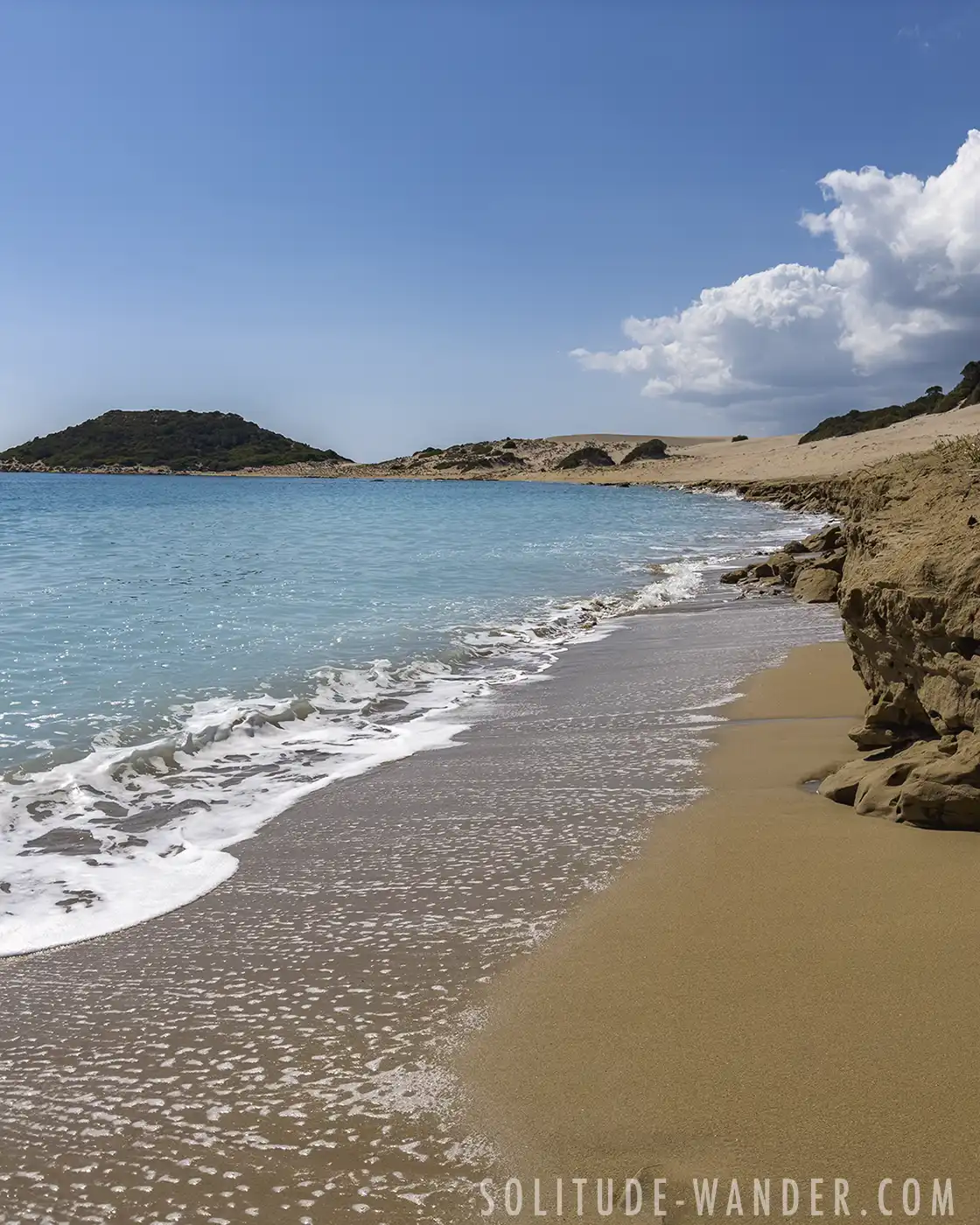
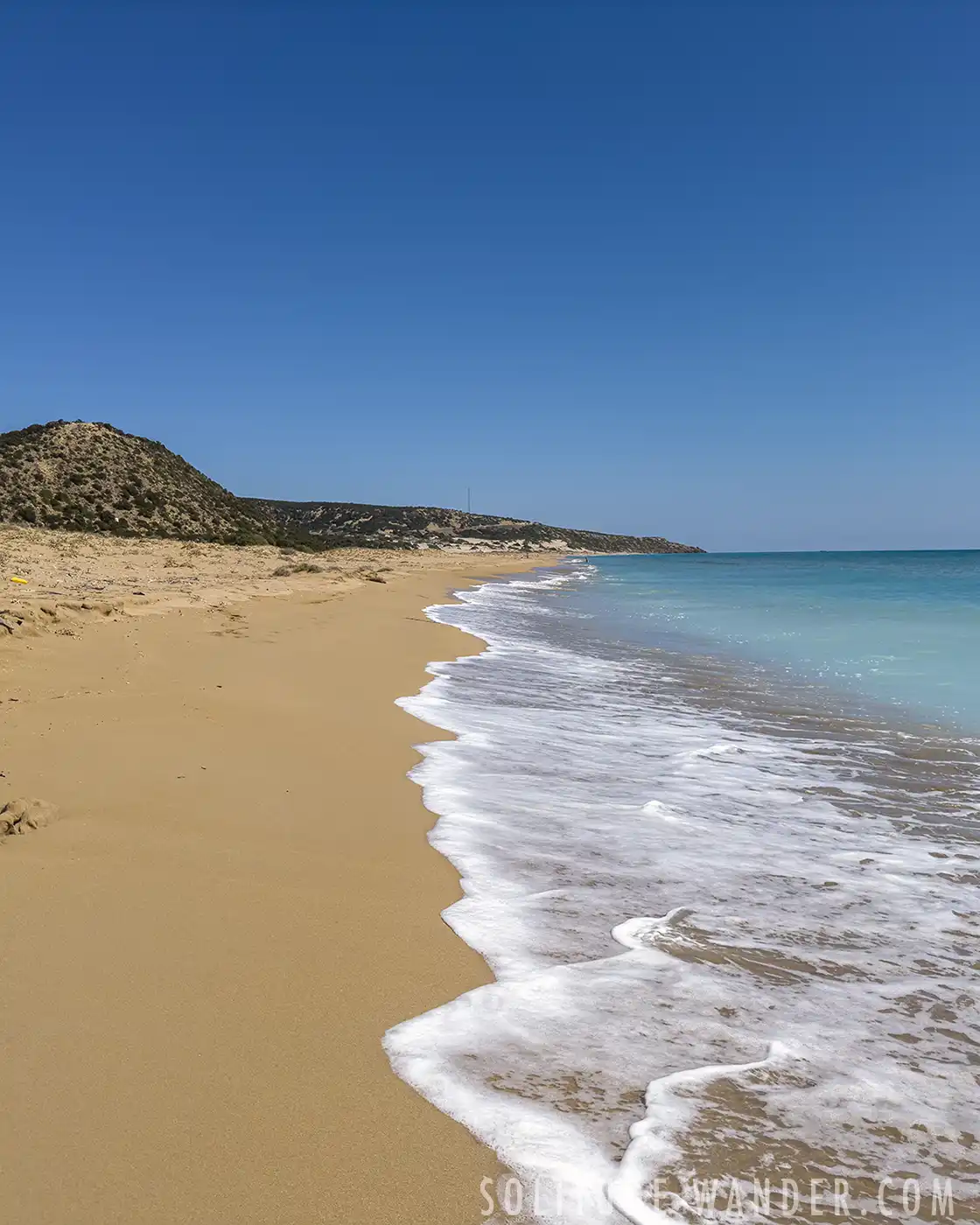
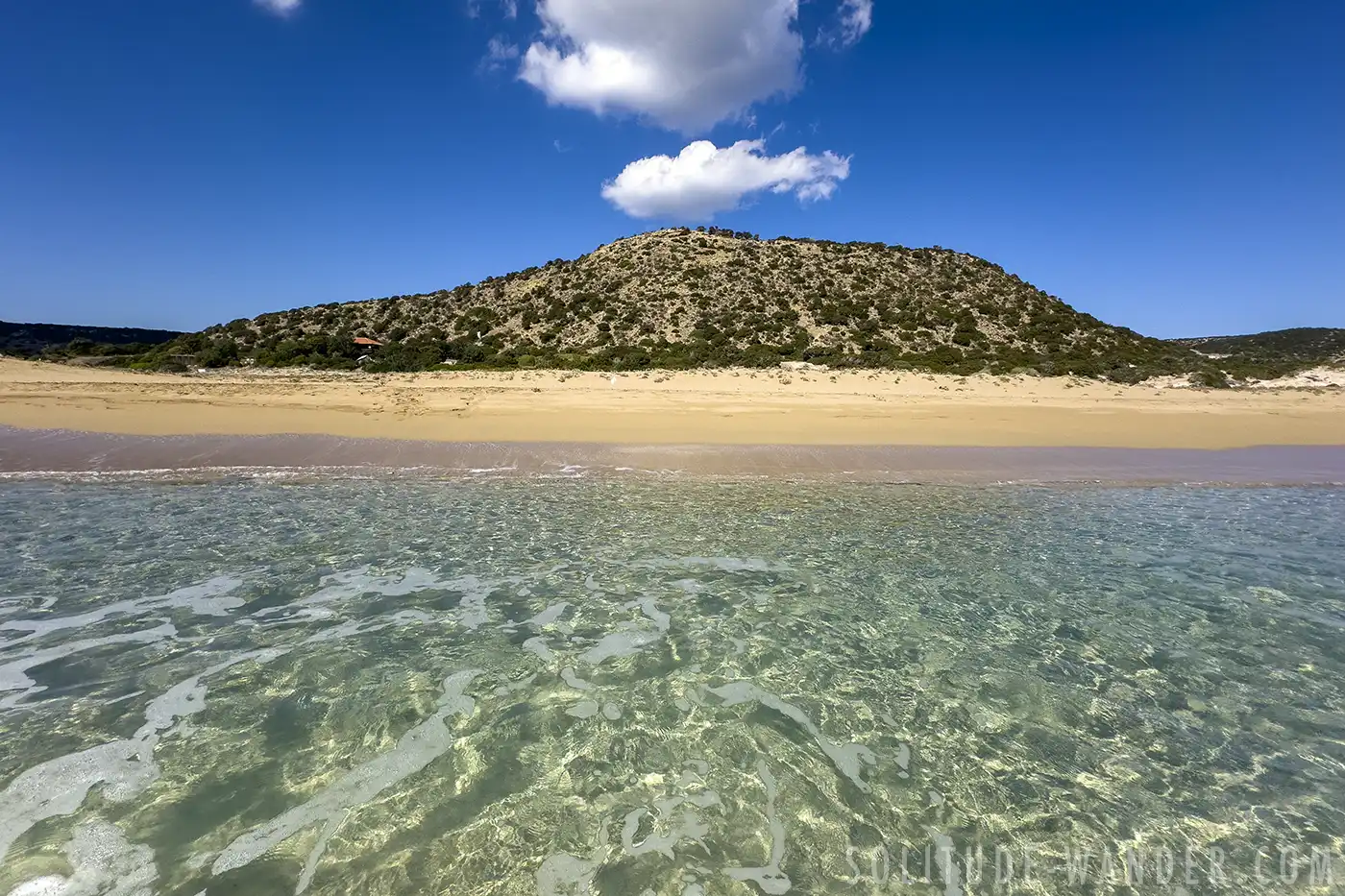
Golden Beach is the ultimate reward for your arduous journey.
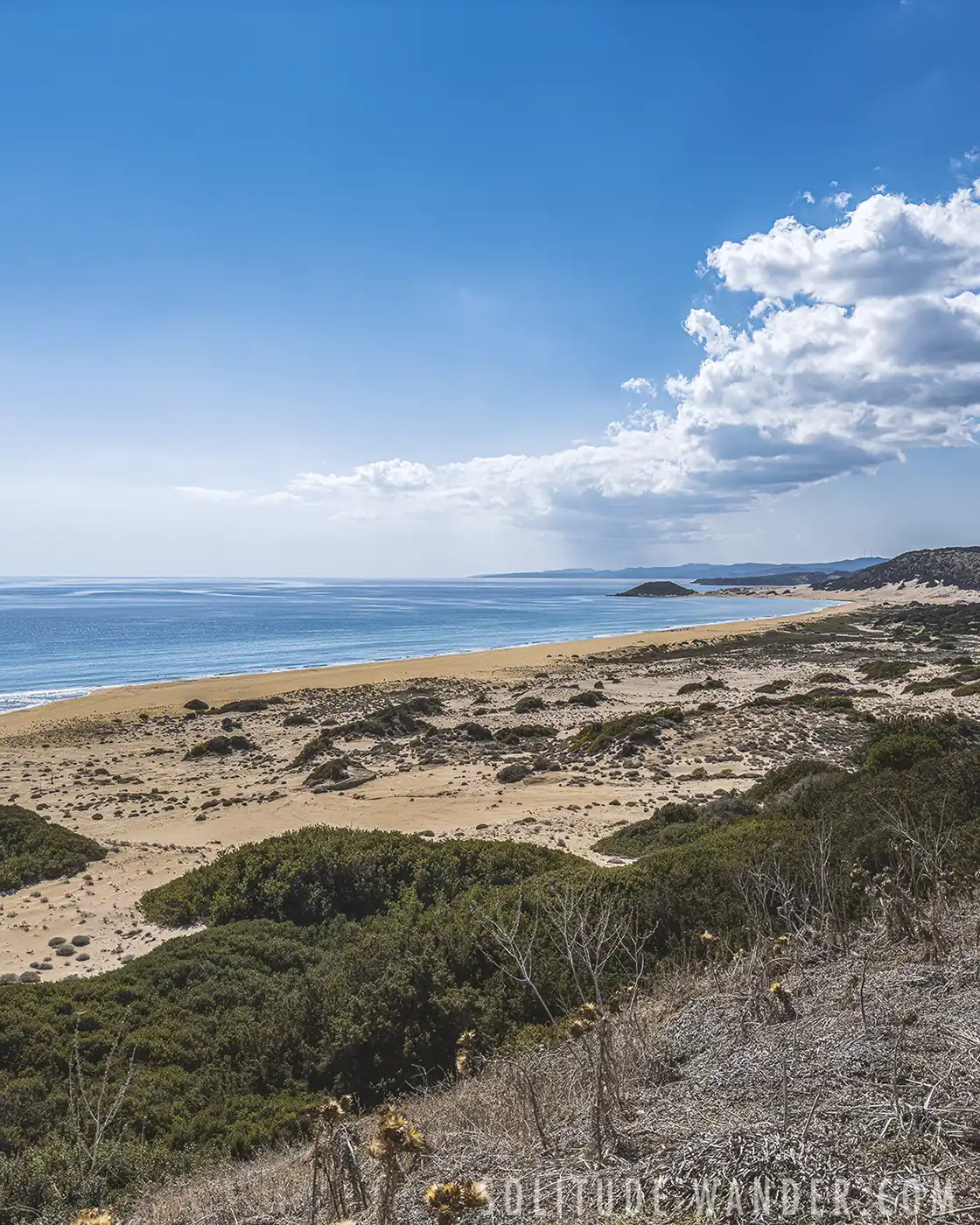
The Beach: A 4-kilometer stretch of soft golden sand lapped by turquoise waters—one of the last untouched Mediterranean coastlines. This endless expanse, where sea and sky merge in an infinite embrace, offers rare, unspoiled solitude. Vast and pristine, the crystalline waters make you feel like the only soul on Earth. Cherish this moment—few places in the West (or anywhere) remain so untouched.
"An abandoned house, ocean-washed debris, and a crumbling pier add a touch of melancholy to the landscape. The arrival of a group of Russian tourists with a guide briefly interrupts the solitude—but never diminishes the raw beauty of this place."
Personal Impressions:
Golden Beach is magical, where nature reigns supreme. The challenging journey is repaid tenfold by the sense of freedom and the untamed splendor surrounding you.
⚠ Warning!
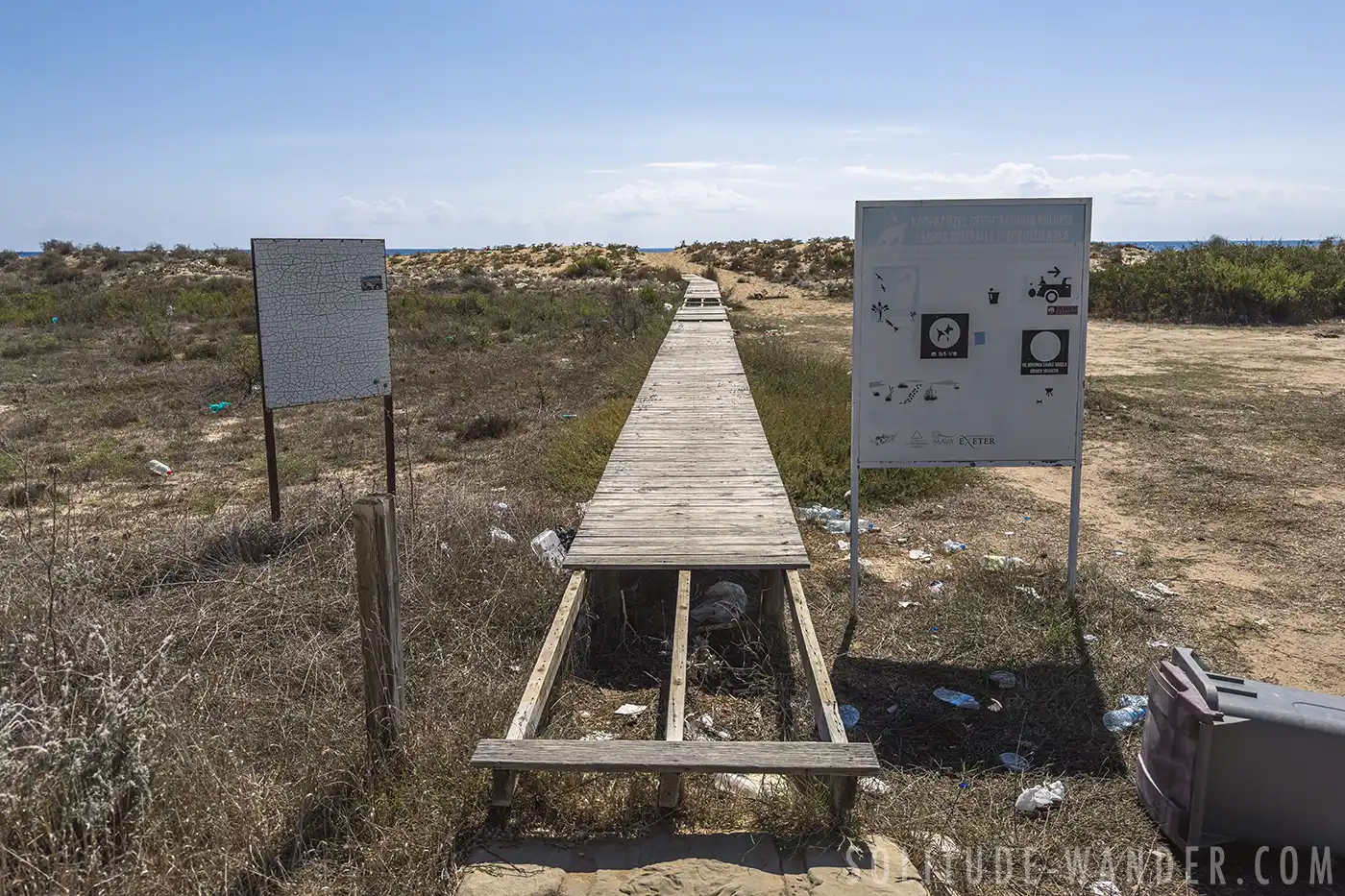
This beauty comes at a cost. The area is largely neglected:
-
Irresponsible tourists leave trash behind.
-
Local authorities fail to maintain the beach.
-
Watch your step—unraked sand hides sharp debris, broken glass, and hazards.
-
Wear sturdy shoes until you reach the water’s edge.

5. Donkey Bay (Zafer Burnu Plajı)
The Paradise Beach
Leaving Golden Beach behind, the journey toward Donkey Bay (Zafer Burnu Plajı) becomes an unforgettable adventure into the wildest reaches of Karpaz.
Must-Stop Vista
After an uphill stretch, pause at the top of the promontory—the 180-degree panorama behind you is absolutely breathtaking. A natural amphitheater unfolds: golden sands, crystal-clear waters, and not a trace of civilization on the horizon. ★★★★★ Easily ranks among SolitudeWander’s best locations!
The Donkey Encounter
Past a rustic gate, you’ll meet them—the legendary wild donkeys of Karpaz, the bay’s grumpy yet adorable guardians. But beware: they’re picky negotiators! Bring apples, carrots, or veggies to “pay the toll.” Satisfy them, and they’ll let you pass (maybe even pose for a selfie). Fail, and you’ll face a very furry roadblock.
*(Translation highlights the humor and drama of the donkey encounter while preserving the original’s adventurous tone. The ★★★★★ rating and SolitudeWander reference add playful authenticity.)
Apostolos Andreas Monastery
On your right at some point you'll meet a the monastery Andreas, perched dramatically on Cyprus' northeastern tip, this 12th-century Byzantine sanctuary offers stunning sea views and a peaceful atmosphere, though its crumbling walls whisper tales of neglect and the island's divided history. Come for the sunset panoramas and legendary holy spring, but prepare for an unvarnished encounter with time's passage.

The Ultimate Reward
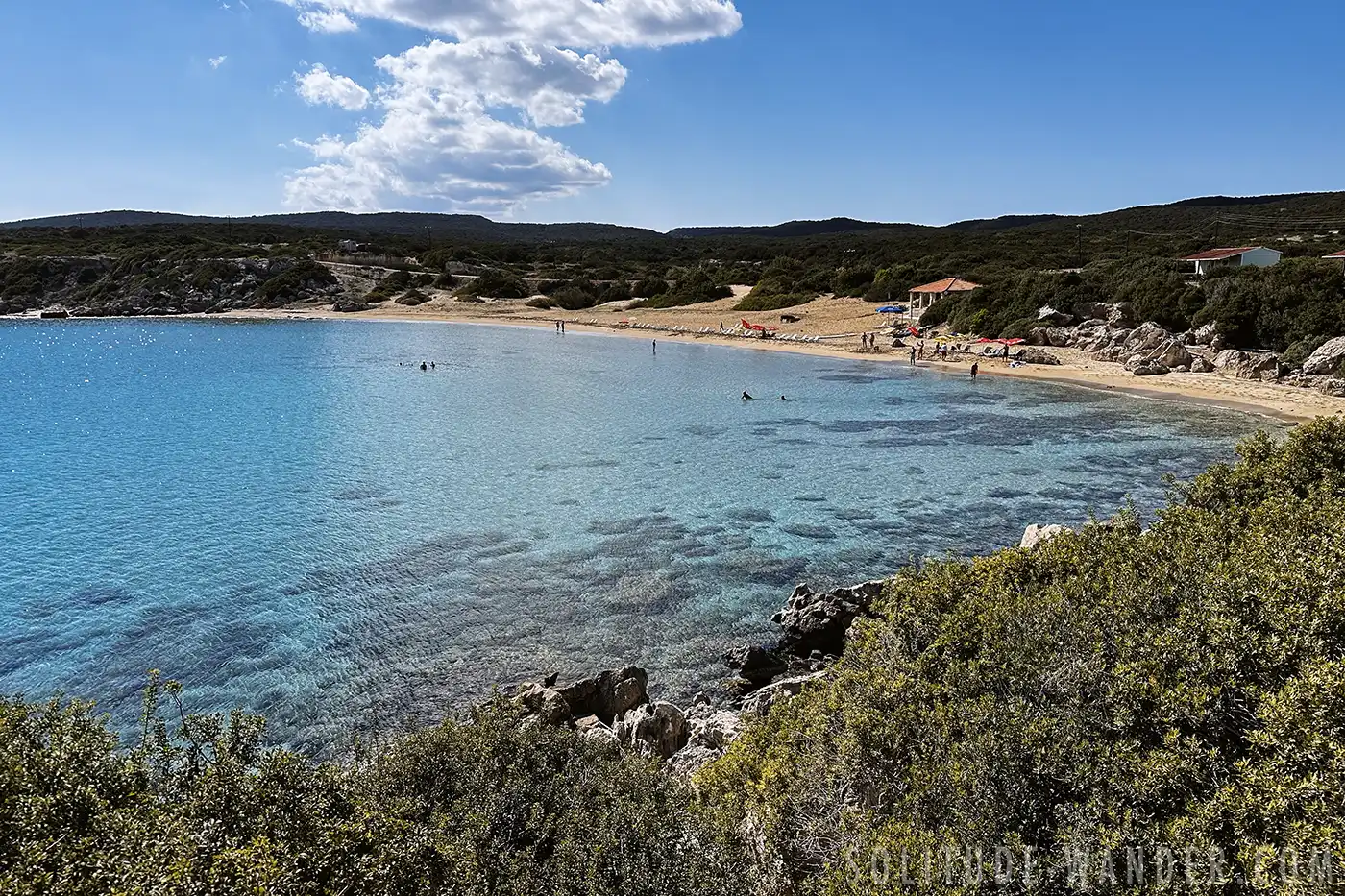
Beyond the donkeys awaits Zafer Burnu Plajı—a golden crescent of sand kissed by sapphire waters, often completely deserted. Worth every carrot sacrificed!
Karpaz’s Hidden Gem: The Fishermen’s Restaurant
Sea Bird Motel & Restaurant
Perched on a rocky outcrop overlooking Donkey Bay, you’ll find a Hemingway-esque fishermen’s haunt—rustic, unpretentious, and utterly real. Here, the menu is written by the tides: only fresh catch, straight from their boats.
What to expect:
-
Grilled fish perfumed with sea salt and olive wood
-
Lobster and local delicacies you won’t find in Europe (and not just due to regulations!)
-
Shockingly fair prices for wild, unadulterated quality
The vibe? Sun-bleached wooden tables, checkered cloths, and the Mediterranean’s most cinematic panorama as your décor. As you savor lemon-drizzled sea bass, curious donkeys might linger nearby...
Why it’s unmissable:
✔ Raw and real—zero tourist fluff, pure substance
✔ Best quality-price ratio in all of Northern Cyprus
✔ The soundtrack? Waves crashing against the rocks
"Dining here isn’t just a meal—it’s a love letter to authenticity. And after a swim in the bay, what more could life ask for?"
Insider Tips:
-
Go for lunch to catch the golden light
-
Order the “daily catch”—there’s no better choice
-
Bring cash (time stands still here, and so do card readers)
-
Pack extra vegan snacks (donkeys have a sixth sense for ill-prepared tourists!)
-
Respect the animals: no junk food or plastic
-
Photograph sunset here—the light is pure magic
-
(Local superstition: Stepping in donkey dung brings good luck!)
6. Famagusta (Gazimağusa)
A Guide to the City of Contrasts
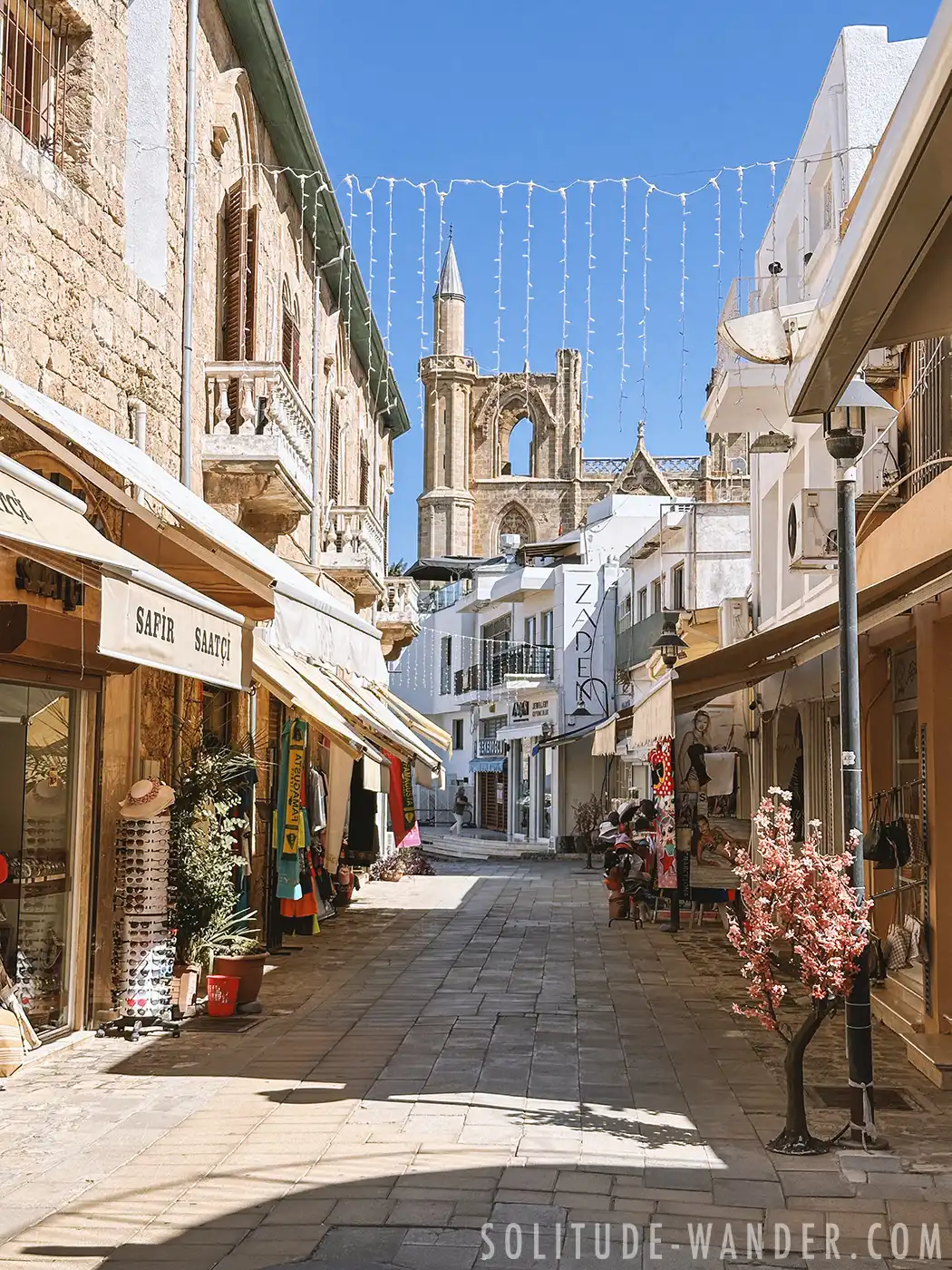
The final stop on this adventure is Famagusta—a place where ghost towns and bustling energy collide. Here, history exists in layers: from ancient ruins to abandoned buildings, Ottoman bazaars to golden beaches. These are the must-see highlights.
What to See
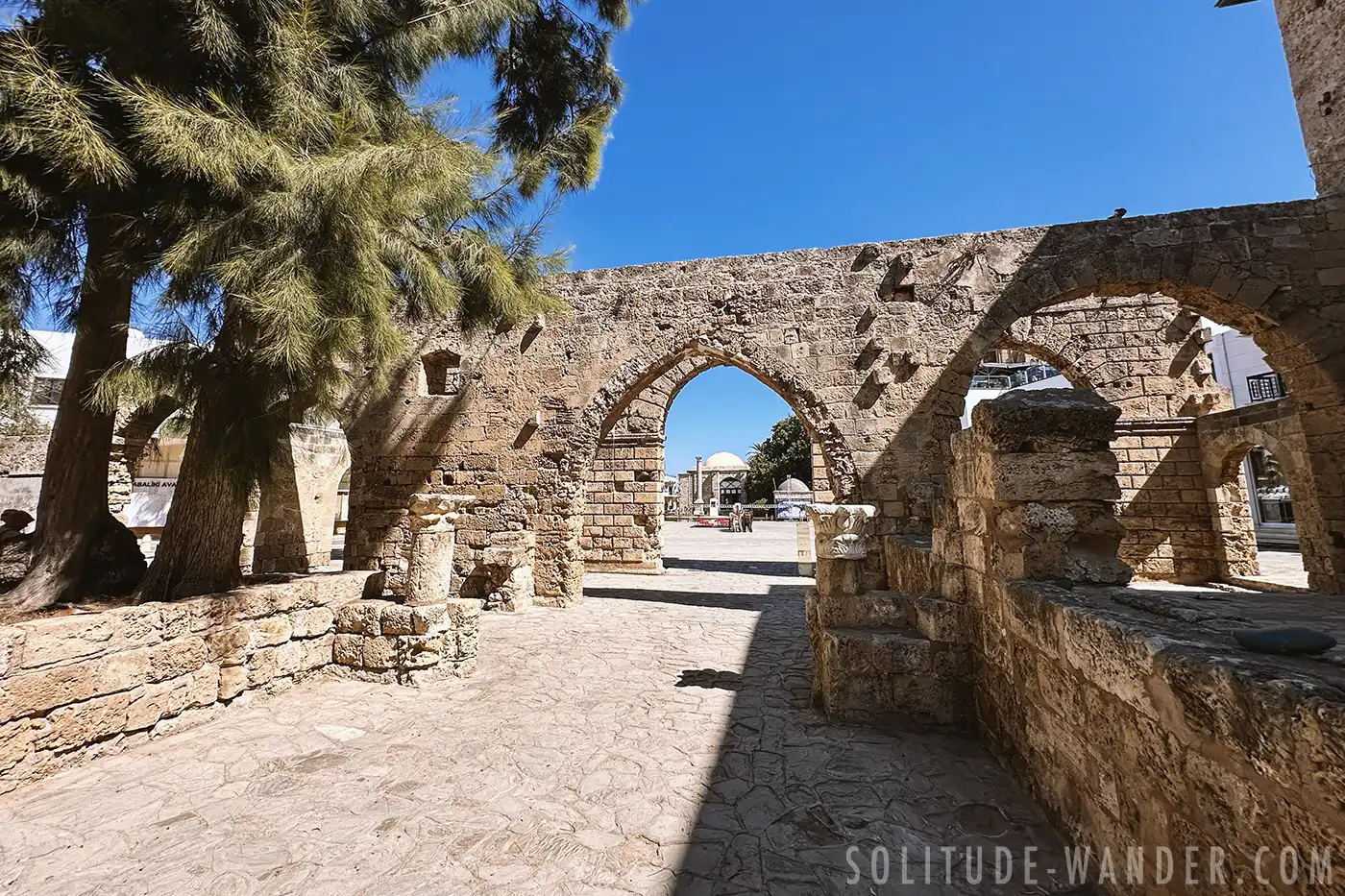
1. The Old Walled City
-
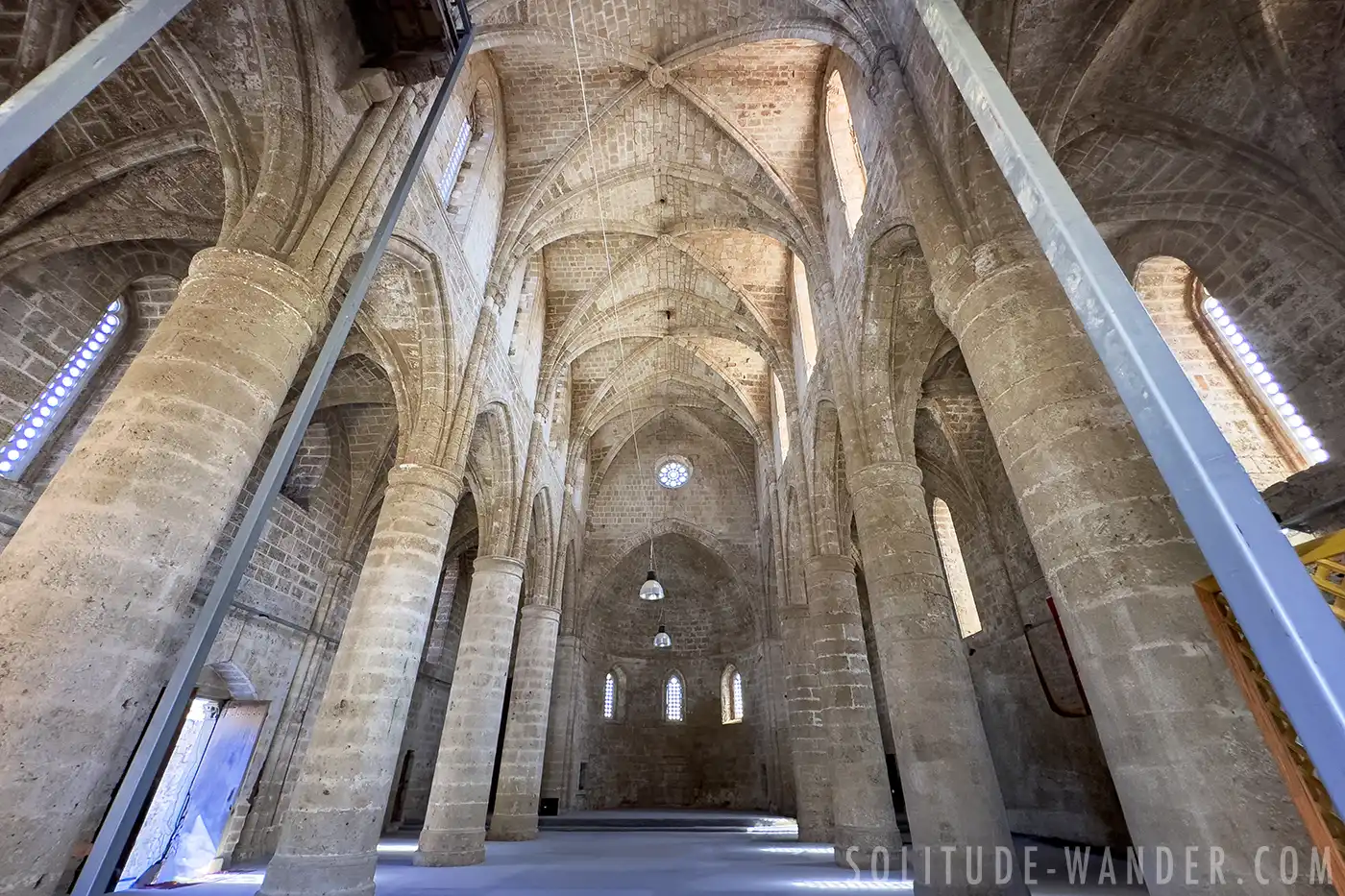
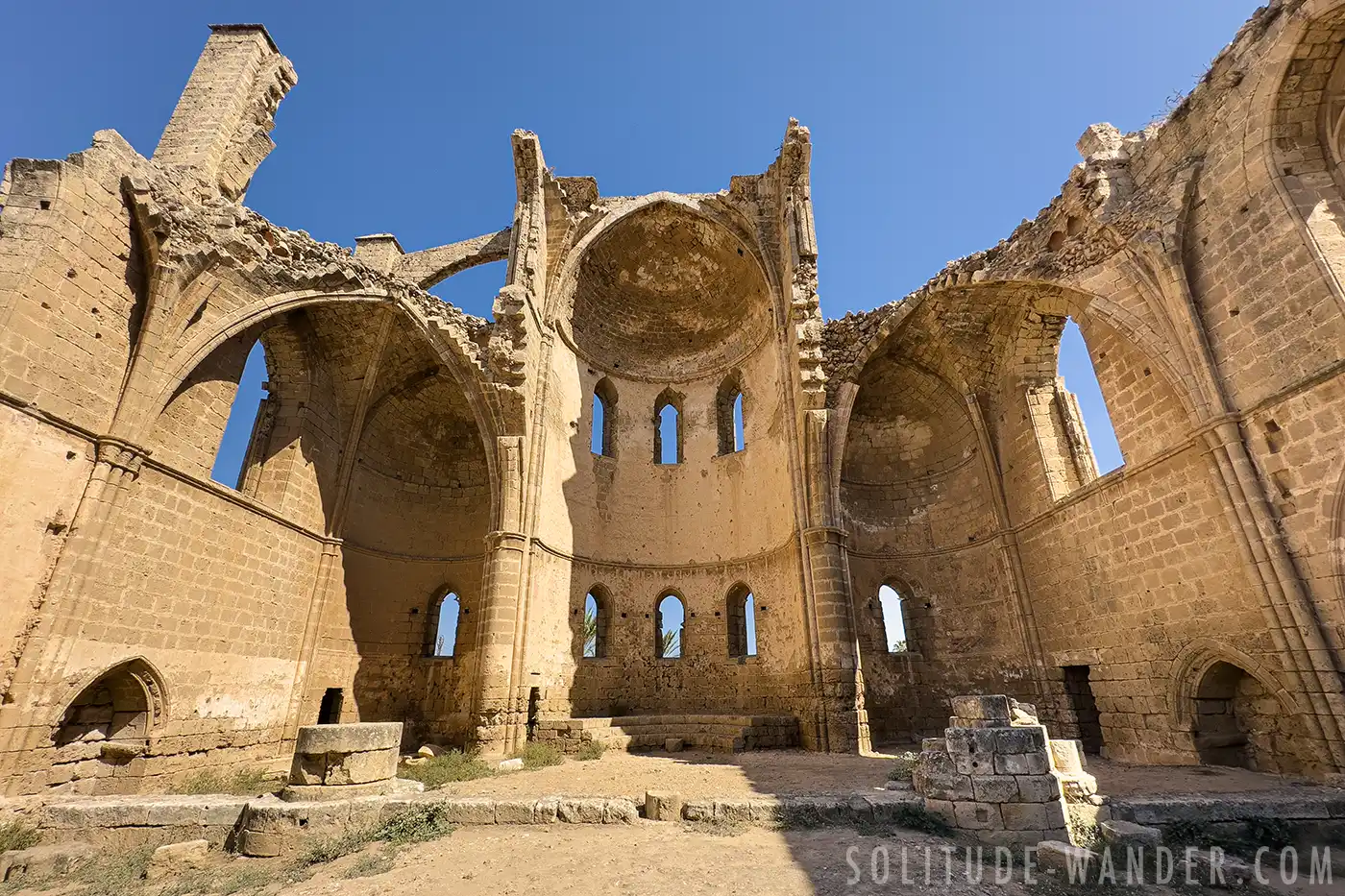
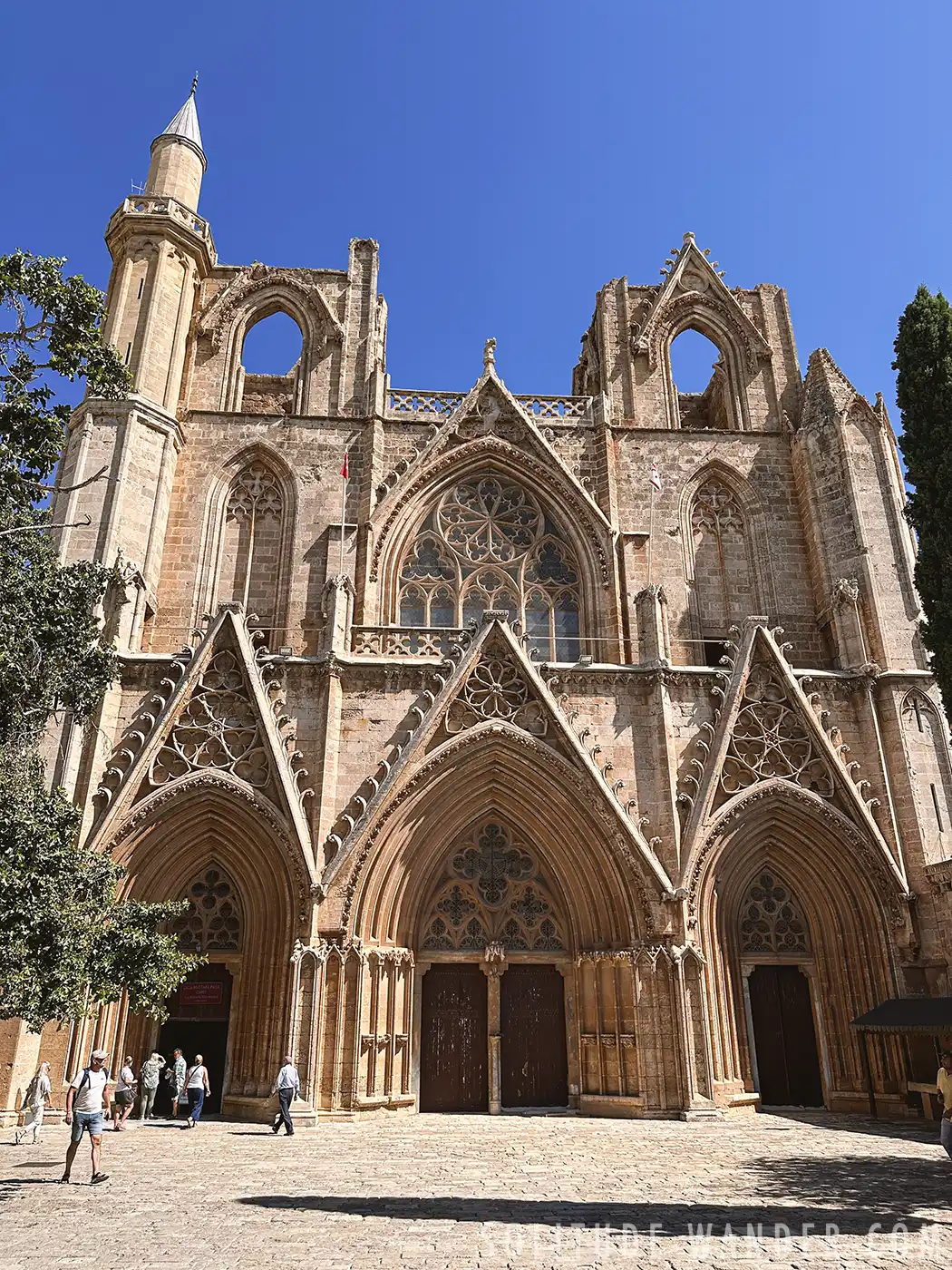
St. Nicholas Cathedral (Lala Mustafa Pasha Mosque): A Gothic masterpiece converted into a mosque, featuring pointed arches and an atmosphere frozen in time.
-
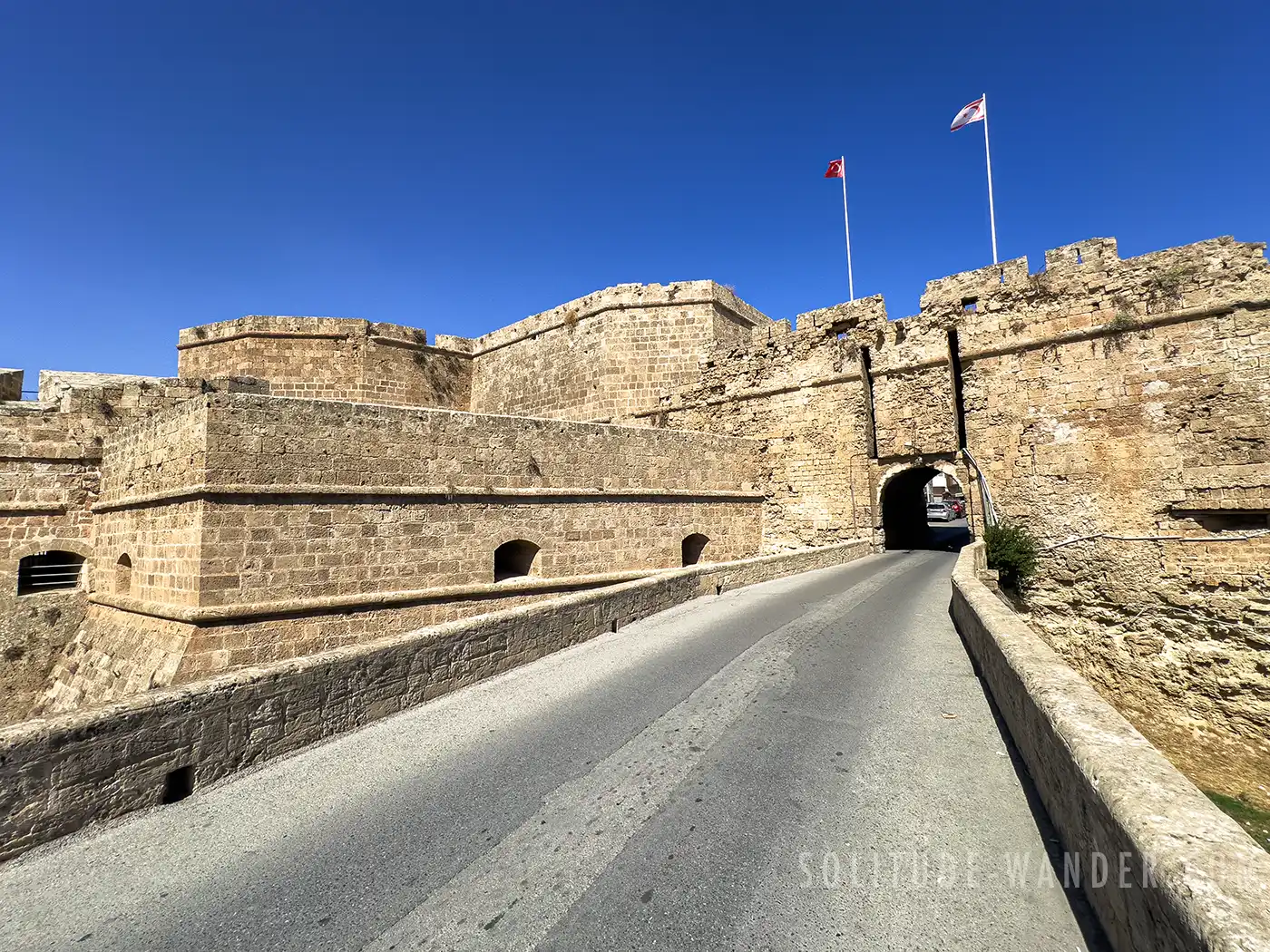
Venetian Walls: Climb the fortifications for breathtaking views over the city and sea.
-
Othello Castle: The fortress that inspired Shakespeare, complete with towering ramparts and hidden passageways.
The Provveditore's Palace
7. Varosha – Famagusta's Ghost Town
A Story of Abandonment
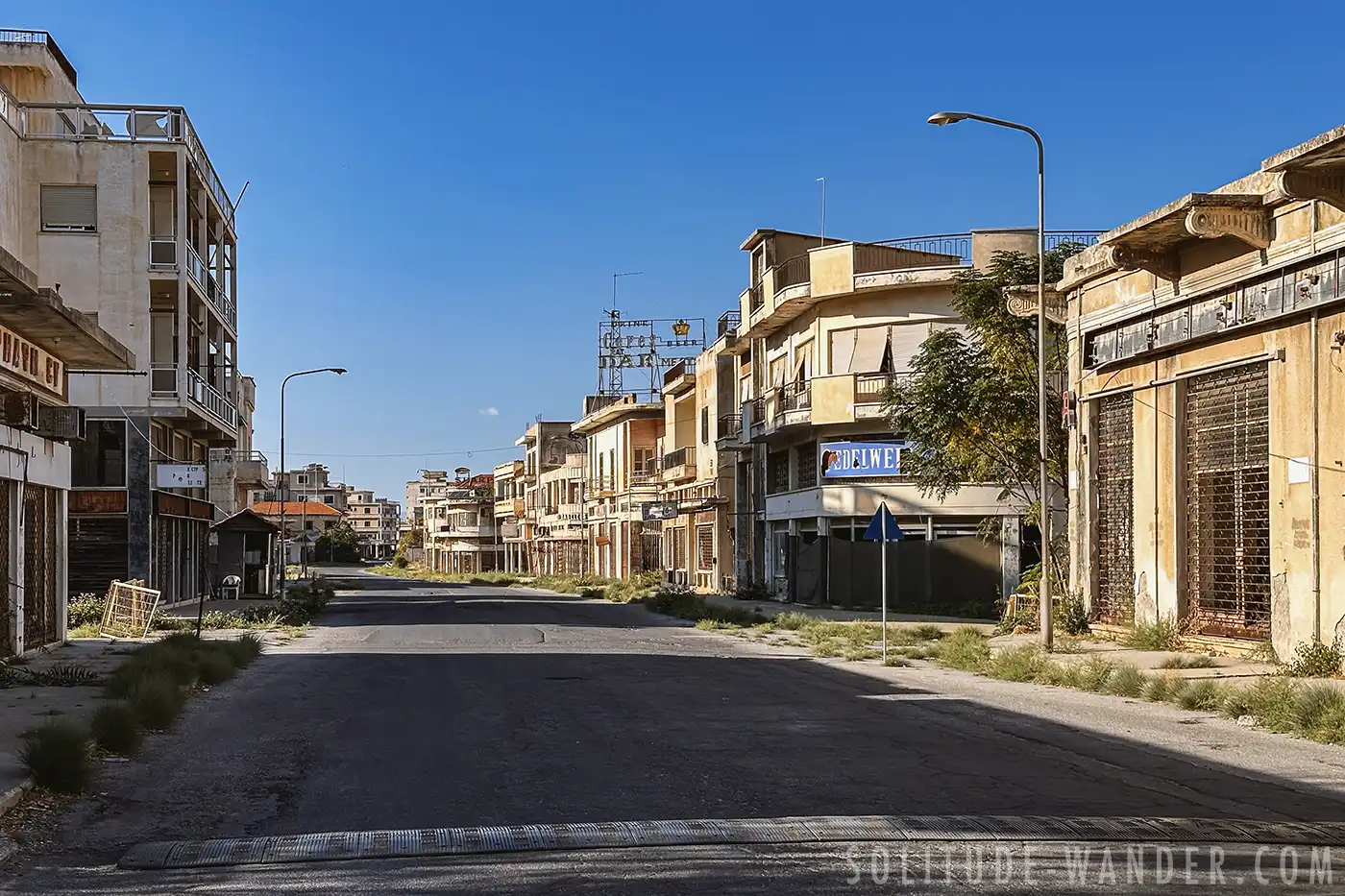
Varosha was once the Saint-Tropez of the Eastern Mediterranean—a glamorous resort district where Elizabeth Taylor and Brigitte Bardot vacationed in the 1960s and '70s. Five-star hotels, luxury boutiques, powder-white beaches, and a glittering nightlife defined this elite enclave. Then, on July 20, 1974, everything stopped.
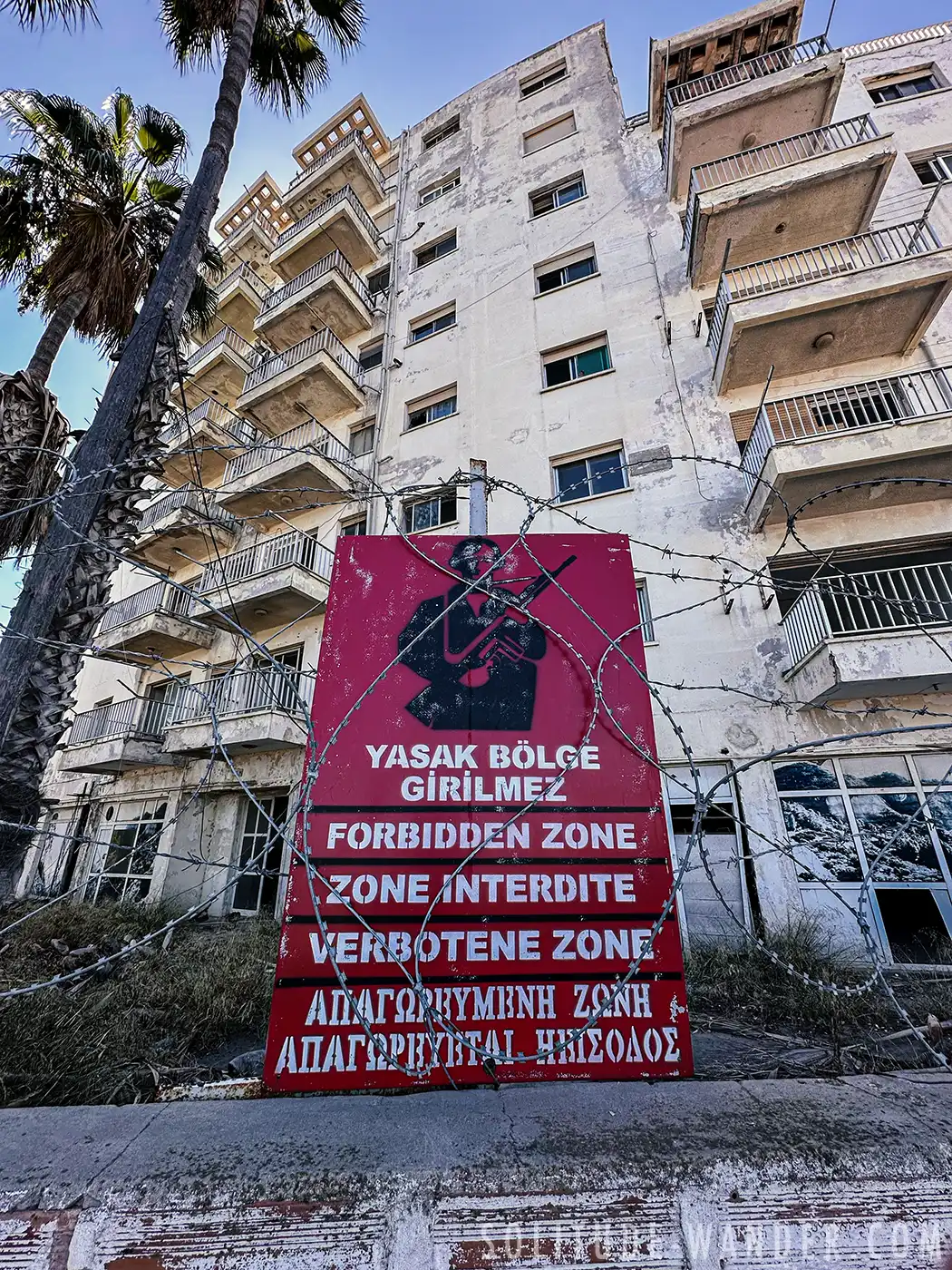
When Turkish forces invaded Cyprus, residents and tourists fled within hours, believing they'd return in "a few days." They never did. The neighborhood was fenced off by the military, left in eerie suspension—fully intact yet empty, like a theater set after the actors have gone. A modern-day Pompeii.
Today: An Open-Air Museum
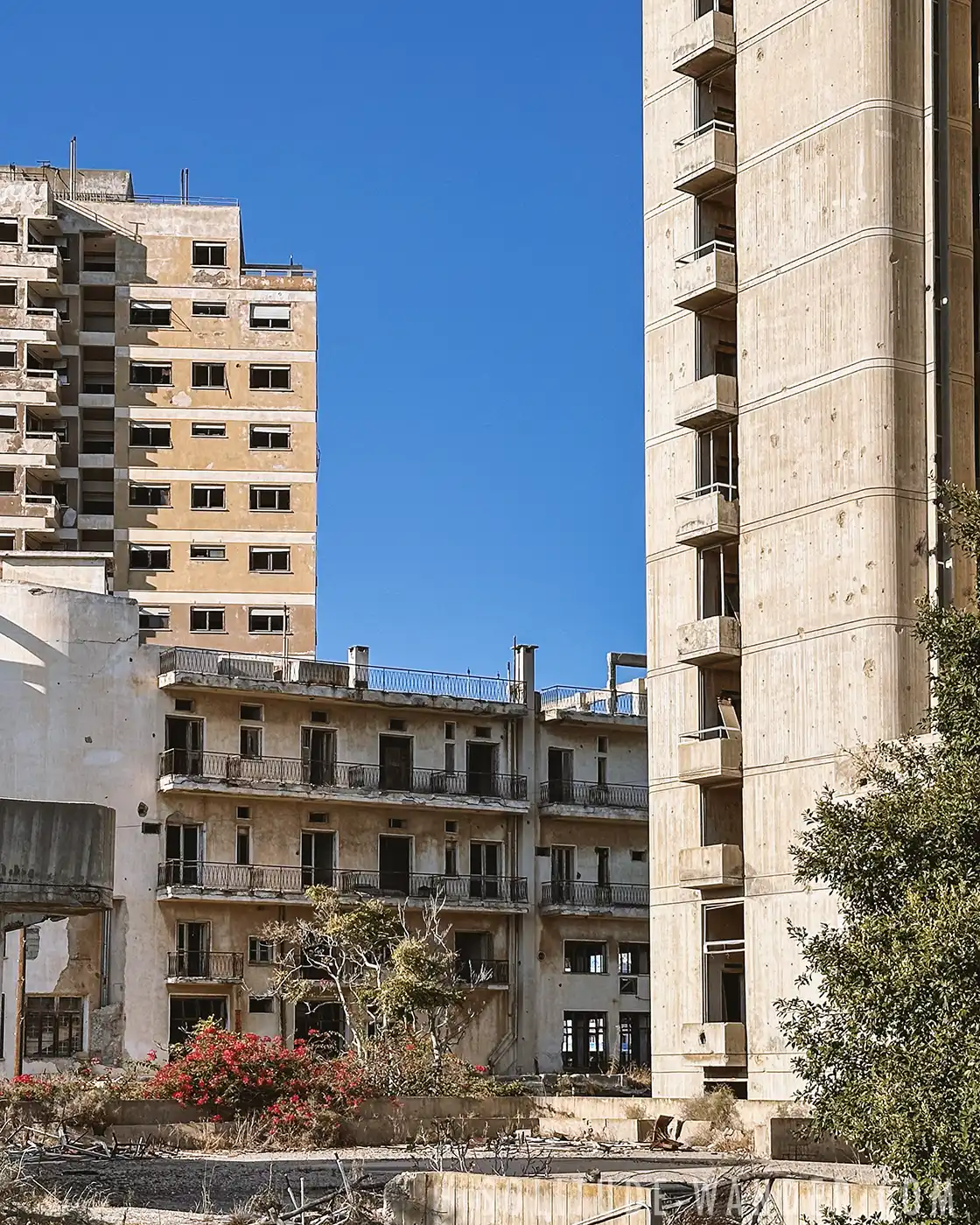
Walking through Varosha’s streets today is a haunting, surreal experience:
-
Ghost Hotels: The Ledra Palace, once a symbol of luxury, still has curtains fluttering in the breeze and dust-covered reception desks.
-
1970s Cars: Rusting Mercedes and Fiats parked outside shops, their sun-bleached interiors frozen in time.
-
Vintage Signs: Faded bar, nightclub, and cinema marquees in English and Greek—ghostly reminders of interrupted lives.
The most chilling effect? Imagining the laughter on the beach, poolside cocktails, rooftop parties... and then the utter silence that remains, broken only by waves crashing ashore.
Beaches
-
Palm Beach: Soft sand and shallow waters—perfect for families.
-
Maraş Plajı: The most authentic spot, right in front of the abandoned hotels.
-
Glapsides Beach: Wild and untouched, with dunes and raw nature.
How to Visit Varosha
-
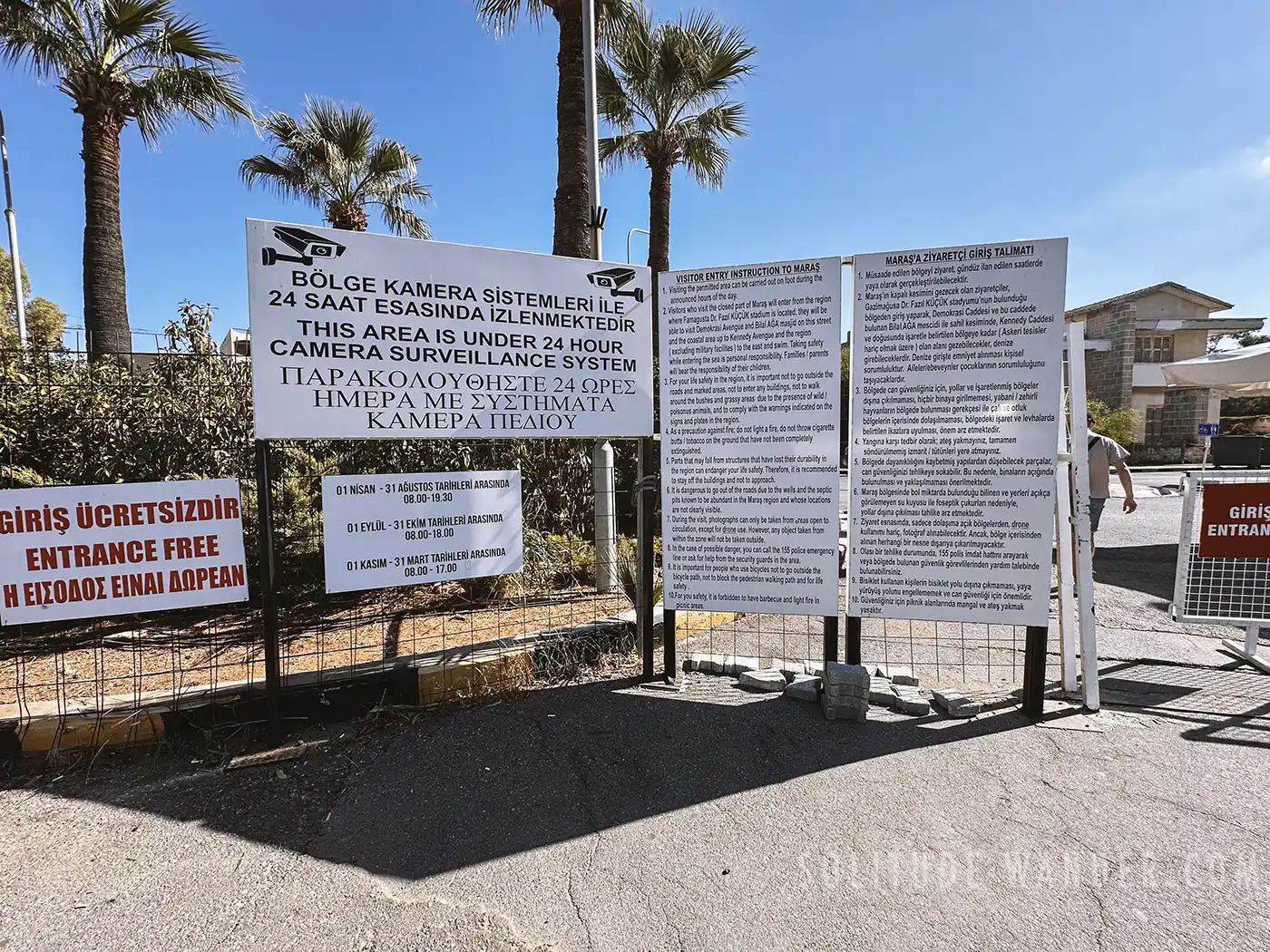
Access: Since 2020, part of the area has been open to tourists (but only along marked paths).
-
Pro tip: Bring your camera—and a sense of reverence for what this place represents.
-
Best time: At sunset, when golden light washes over the faded facades, creating a cinematic atmosphere.
-
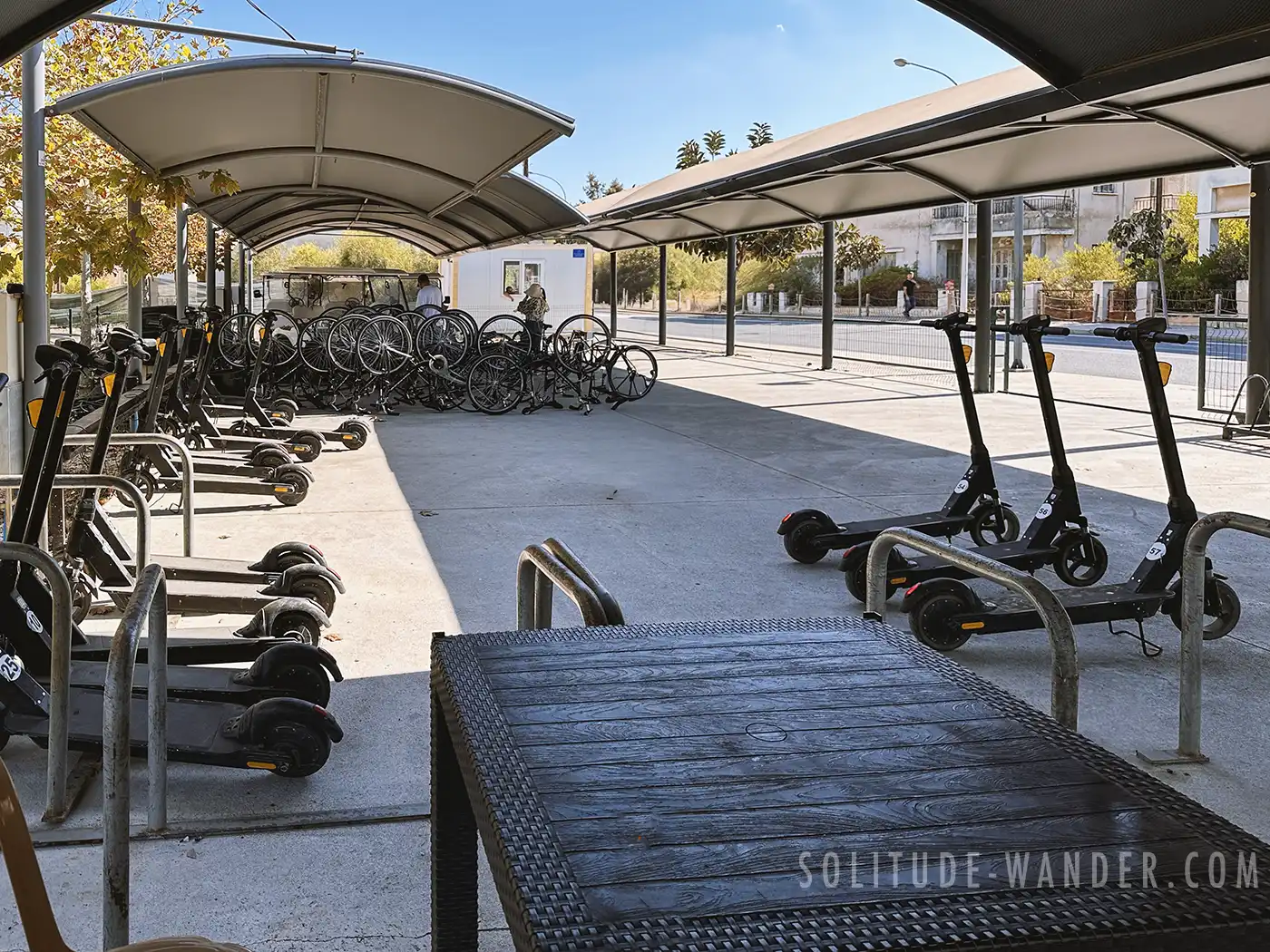
Transport rental: Near the entrance, you can rent: An electric scooter (ideal for photo ops). A bicycle (check that it’s in good condition first).
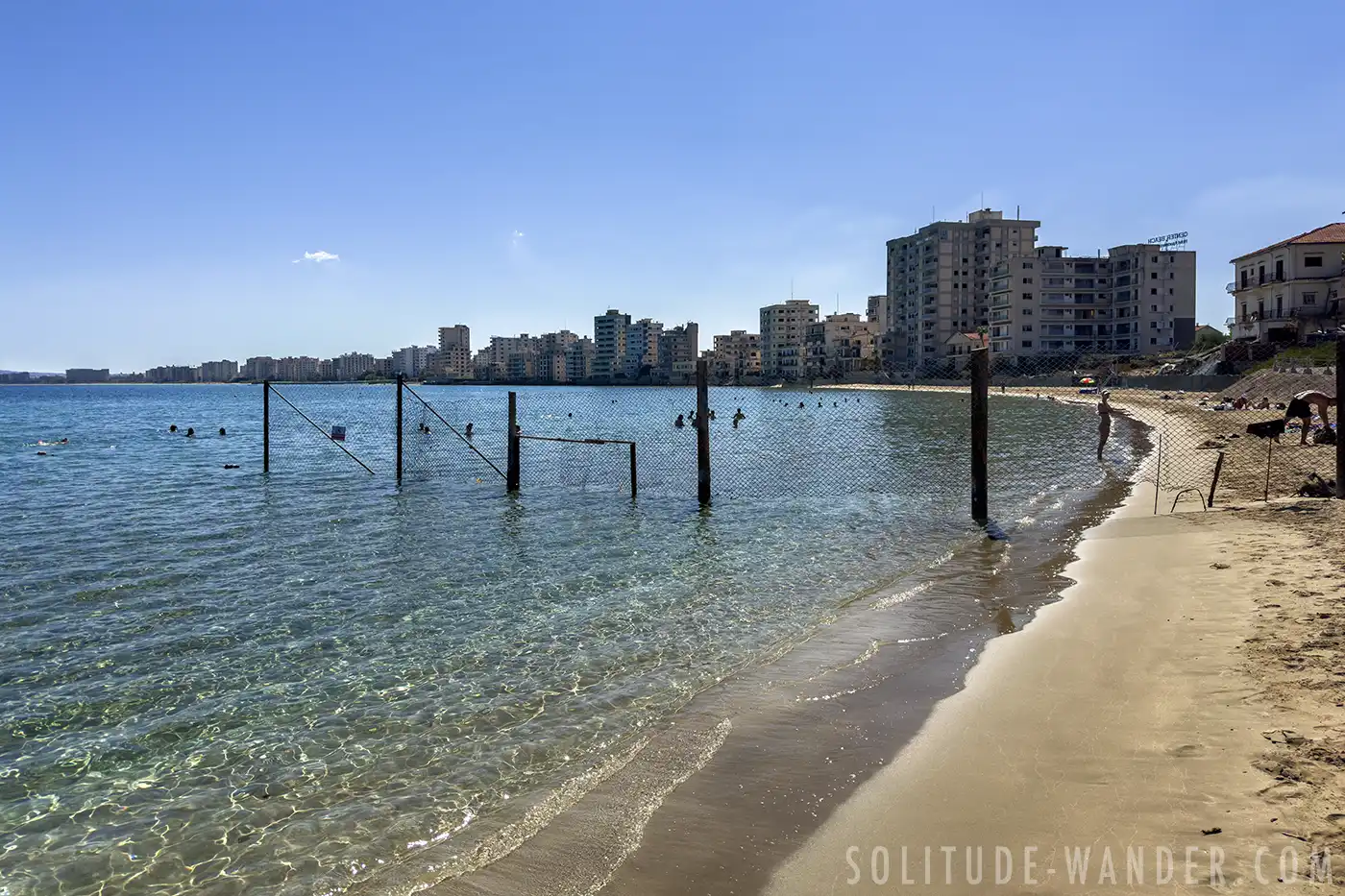
Palm Beach
Varosha: Access Rules & Safety
Entry
-
Free access, but drones and professional photography equipment are prohibited.
-
Random checks at the entrance: Bags/backpacks may be inspected.
Key Rules
⚠️ Stay within limits:
-
Do not leave designated visitor areas. Military personnel monitor from observation posts (not always visible).
-
Some zones house unidentified residents. In these areas:
-
Photography is strictly banned (clearly marked or verbally warned).
-
If confronted by staff/residents, lower cameras/phones immediately.
-
Why These Restrictions?
Varosha isn’t just a tourist site—it’s a politically sensitive area still embroiled in tensions. The strict rules protect the privacy of those who, against all odds, still call this "ghost city" home.
Pro tip: For memorable shots, focus on main roads and abandoned buildings (where permitted). Otherwise… experience the moment through your eyes, not a phone screen.
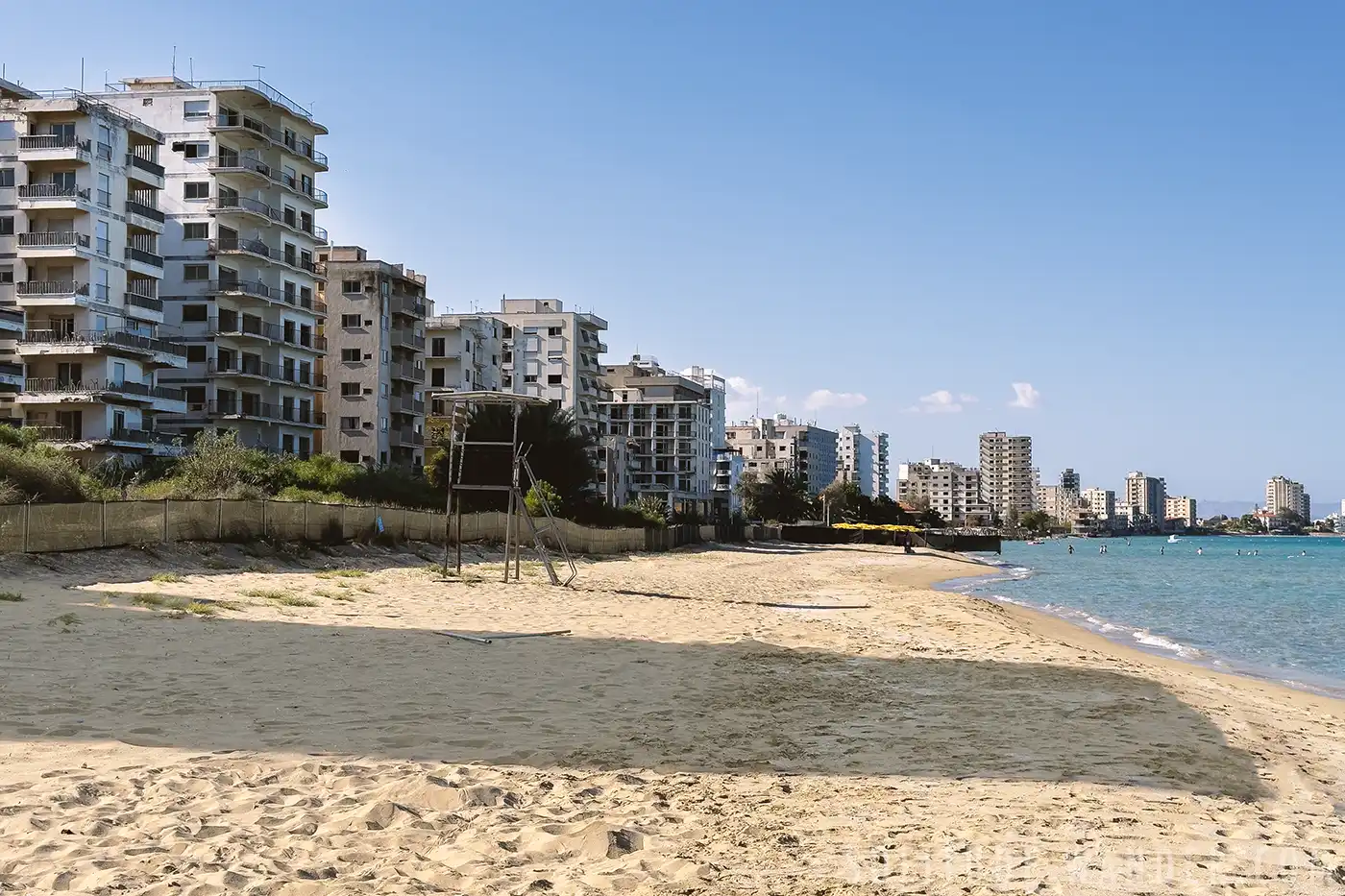
Maraş Plajı beach
Final Thoughts
When I set out for Northern Cyprus, I never imagined I'd find a place so full of contradictions and suspended histories. This land is like an open book, its pages filled with stories of division, hope, and resilience.
Driving along narrow roads through landscapes frozen in time, past ghost towns like Varosha, I realized every kilometer here tells a story. The journey wasn't easy—sharp turns, strictly enforced 65 km/h speed limits, potholes that could swallow a tire, the challenge of left-hand driving—yet these very obstacles made the trip feel like a genuine adventure.
Varosha left its mark on me. Wandering among abandoned buildings, imagining the families who once lived here, raised children, built dreams—only to have everything erased in an instant. It's a dark chapter of modern history that gets under your skin, forcing you to confront how fragile our lives really are.
Northern Cyprus isn't for everyone. Tourist infrastructure is still developing, some areas lack amenities, and communication can be tricky. The myth of it being a budget destination is fading, but there's still something priceless in its raw authenticity.
Its imperfections are precisely what make it special. You won't find overly polished resorts or crowded beaches here. Instead, you'll discover a genuine territory untouched by mass tourism, where every encounter and every landscape feels like a privilege.
The true allure of Northern Cyprus lies in these contrasts—in its ability to be both wounded and resilient, wild yet welcoming. It's a corner of the world that reminds you how the most meaningful travels are those that change you from within, that push you to look beyond stereotypes and postcard-perfect facades.
One piece of advice for those considering this journey: Come with the curiosity of a storyteller, not the expectations of a comfort-seeking tourist. Be prepared to be surprised, moved, even disoriented at times. Because Northern Cyprus isn't a place you simply visit—it's an experience that rewires how you see the world.
Map Locations
The map includes all locations featured in this guide
Extra Gallery